When people research swimming pools, they tend to focus on shape, size, and price. The interior finish rarely gets the same attention, which is a mistake. The finish determines how your pool looks every day, how much work it takes to maintain, and whether you’ll be spending money on it again soon.

This article explains how pool finishes work, what concrete pool owners deal with over time, and why a fibreglass pool with a quality gelcoat surface sidesteps most of those issues from day one.
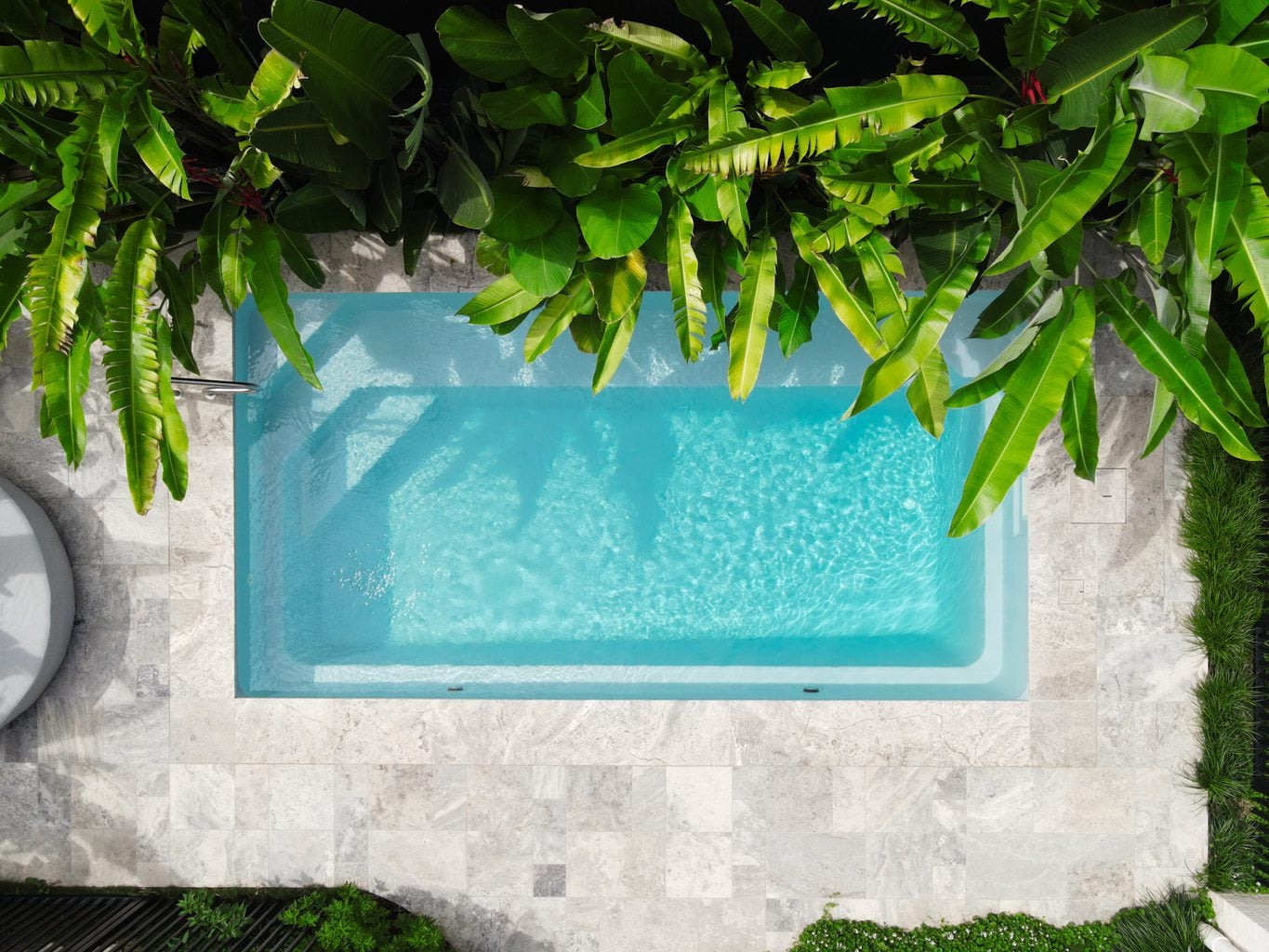
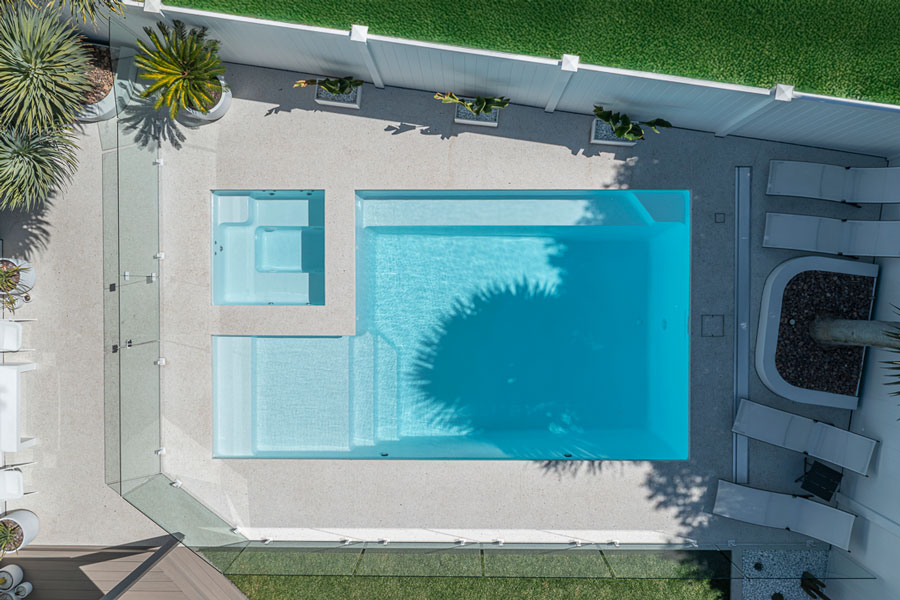
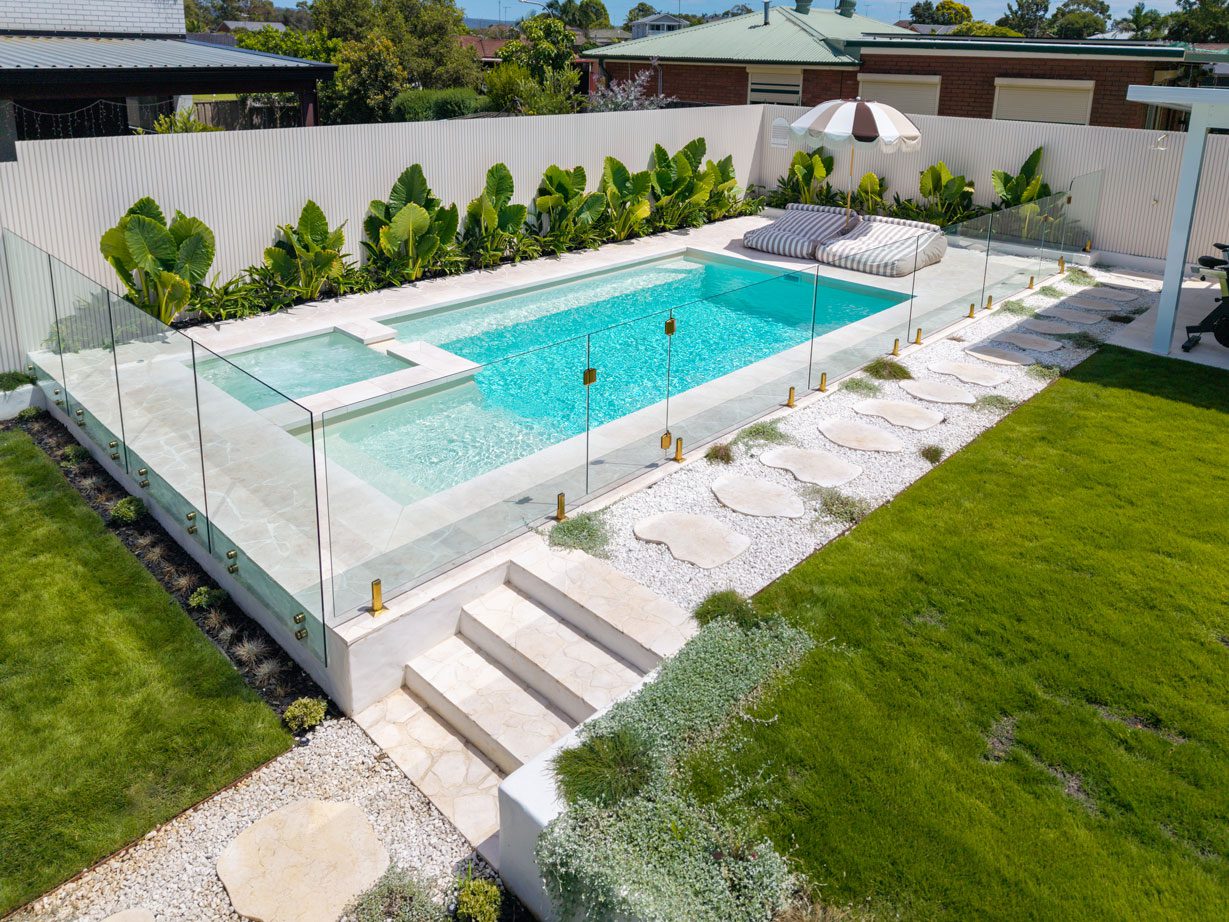
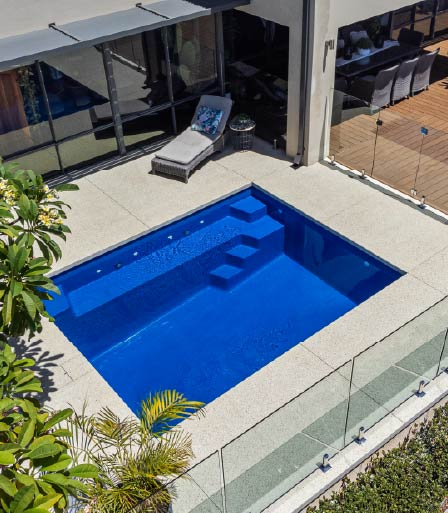
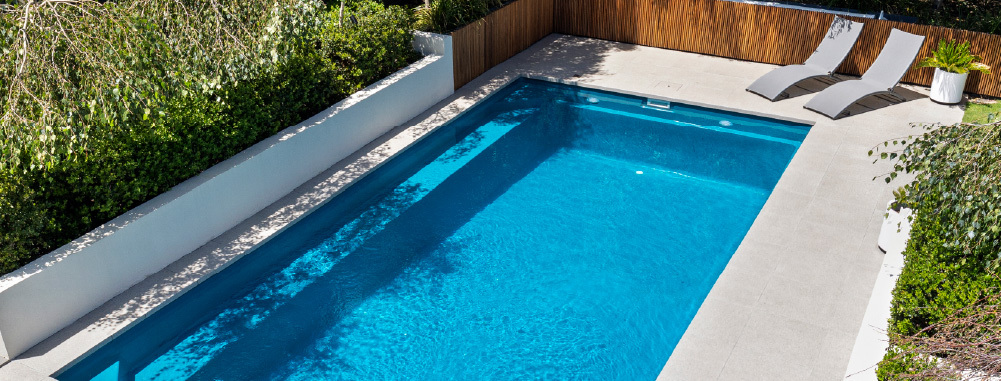
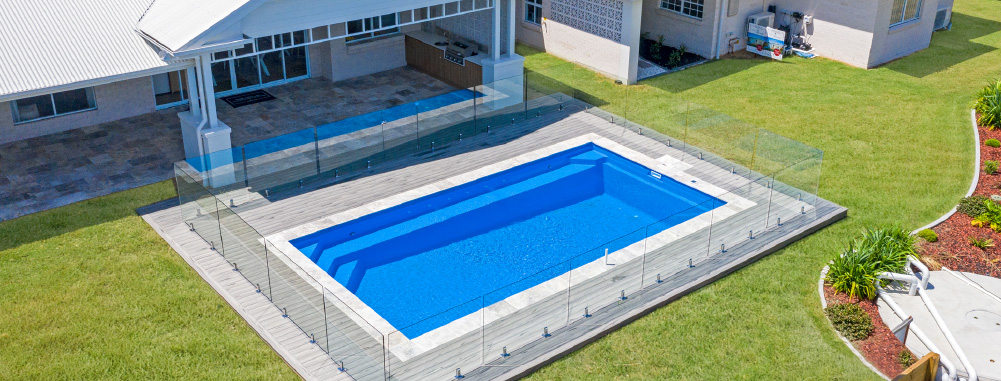
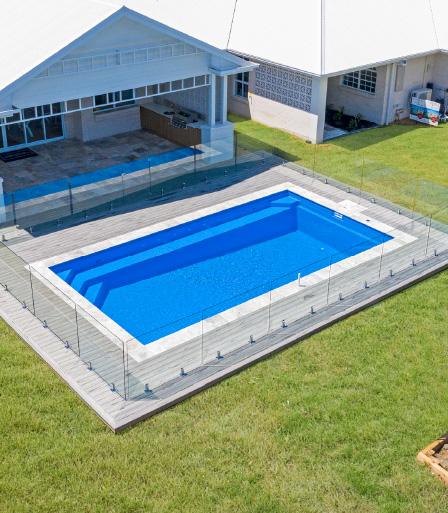
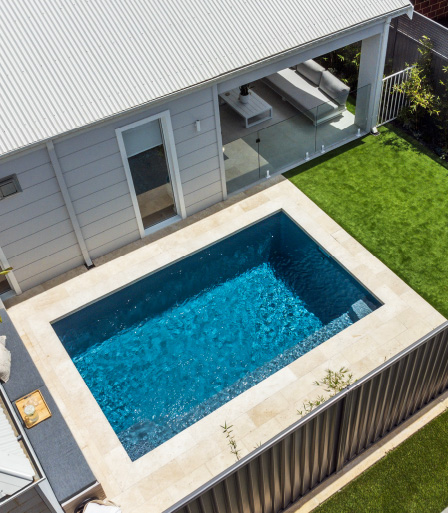
aerial of swimming pool

Key Takeaways

What Is a Pool Finish, and Why Does It Matter?

A pool finish is the surface that lines the inside of the pool shell. It is what gives the water its colour, what you feel underfoot, and what your hand runs along the wall.

The finish shapes the entire ownership experience:

  • Water appearance: the colour, clarity, and tone of the water is largely determined by what’s beneath it. A pale surface produces tropical-looking turquoise water; a dark charcoal gelcoat creates a deep, dramatic effect.
  • Feel underfoot: smooth gelcoat, textured pebblecrete, and hard tile are very different surfaces to walk on, particularly for children.
  • Maintenance demands: porous surfaces absorb chemicals, harbour algae, and stain more readily than non-porous ones. The finish you choose determines how often you’re cleaning and how much chemical management the pool needs.
  • Long-term cost: some finishes last 7–10 years before needing replacement; others last 25. The gap in total ownership cost over two decades is significant.

Concrete pool owners choose a finish at installation, then choose again every time it wears out. Fibreglass pool owners choose a colour once

What Finish Options Do Concrete Pool Owners Have?

Concrete pools need an applied interior finish. Without one, raw concrete is rough, porous, and difficult to keep clean. The following are the main options used in Australia, along with what each one involves over time.

Plaster and Render

White cement plaster is the traditional concrete pool finish and still the most affordable. It gives a clean white or off-white look when first applied, and it is what produces the classic blue-white pool aesthetic many people associate with older pools.

The problem is durability. Plaster is porous, which means it absorbs water, chemicals, minerals, and algae over time. Within a few years, it begins to discolour, roughen, and degrade. Most plaster finishes need resurfacing within 7–12 years, and the pool requires more chemical management throughout because the surface is constantly absorbing rather than repelling.

Quartz Finishes

Quartz finishes, sometimes sold under brand names like Quartzon, blend white cement with quartz aggregate to produce a harder surface than plain plaster. They are a genuine improvement: less porous, more stain-resistant, and longer-lasting, typically 12–18 years before resurfacing is needed.

They still require resurfacing eventually, and they still demand ongoing chemical management. The quartz surface is harder to damage, but the underlying dynamic is the same: a porous applied layer that slowly absorbs water, chemicals, and staining.

Pebblecrete and Exposed Aggregate

Pebblecrete and exposed aggregate finishes are among the most popular in Australia because they are genuinely durable. A well-maintained pebble finish can last 15–25 years. The aggregate is set into a cement base and exposed during curing, creating a hard, dense surface.

The trade-off is texture. Coarser pebblecrete finishes can be rough underfoot, which is a real consideration for families with young children who spend a lot of time on the pool floor and steps. Grout lines between pebbles also trap debris and need regular brushing. Glass bead blends offer a smoother and more polished version of the same concept, at a higher price.

Tile Finishes

Full tile interiors represent the premium end of concrete pool finishing. Individual ceramic or glass mosaic tiles are laid across the entire pool surface, grout-filled, and sealed. The result is visually striking and, if grout is properly maintained, can last 25 years or more.

It is also the most expensive finish option by a considerable margin, and the grout is a permanent maintenance commitment. Algae and staining accumulate in grout lines, and individual tile or grout repairs over the decades add up.

Pool Paint

Epoxy and acrylic pool paints are coatings applied directly over the concrete surface. They are the cheapest upfront option and the shortest-lived, typically 3–7 years for epoxy and less for acrylic. Paint does not remove or address the underlying surface. It covers it.

Repeated recoating creates compatibility problems between layers, and paint applied over old paint will eventually delaminate. A previously painted pool can also limit future resurfacing options because some applied finishes will not bond properly over old paint. Most pool professionals treat paint as a stopgap rather than a long-term solution.

Here is a summary of how the concrete finish options compare:

Finish

Lifespan

Maintenance

Key Watch-out

Plaster/render

7–12 years

High — porous surface needs more chemicals and frequent cleaning

Discolours and roughens over time; the shortest lifespan of all options

Quartz / Quartzon

12–18 years

Moderate — harder than plaster but still requires periodic resurfacing

Better than plaster but still needs replacing; ongoing chemical management

Pebblecrete / aggregate

15–25 years

Low to moderate — tough surface, but grout lines trap debris

Texture can be rough underfoot, particularly for children

Glass bead blend

15–20 years

Low to moderate — smoother than pebble, grout lines still present

Premium cost; still requires eventual resurfacing

Full tile

25+ years

Low surface cleaning, but grout requires ongoing maintenance

Most expensive option; grout degrades and needs attention over time

Epoxy / acrylic paint

3–7 years

High — needs recoating more frequently than any other finish

Repeated layers cause compatibility issues; they limit future resurfacing options

The Resurfacing Cycle: What Concrete Pool Owners Need to Plan For

Every applied concrete finish has a lifespan, and when it expires, the pool needs to be drained, the surface prepared, and a new finish applied. For concrete pool owners, this is a recurring cost throughout the pool’s lifespan.

What Resurfacing Involves

Resurfacing means removing or preparing the existing finish and applying a new one. It is not the same as painting, which simply coats over whatever is already there. A proper resurface addresses the surface condition, carries out any necessary repairs, and applies a fresh finish layer. The pool is typically out of action during this process.

What Drives the Cost

Resurfacing costs vary considerably across Australia and shift with material costs, labour rates, and regional demand. The key cost drivers are:

Finish Type

Plaster sits at the budget end; quartz in the middle; pebble, glass bead, and tile at the premium end. Labour intensity varies significantly between them and that is reflected in the price.

Pool Size

More surface area means more material and more hours on site.

Surface Condition

Cracking, delamination, or old paint layers require additional preparation before a new finish can be applied. This is often where quoted prices differ most between contractors.

Site Access

Tight backyards, equipment that needs moving, or restricted access all increase the cost of the job.

Scope

Many homeowners replace waterline tiles or attend to coping at the same time, which adds to the total but makes sense while contractors are already on site.

Location

Labour rates differ between states and between metro and regional areas.

When comparing quotes, always confirm what surface preparation is included, what finish system is being applied, and what warranty covers the work. A lower quote that skips proper prep rarely saves money over time.

Paint as a Short-Term Option

Pool paint applies a coating over the existing surface without removing it. It costs less upfront but needs repeating every 3–7 years, and repeated paint layers can create compatibility issues that complicate future resurfacing.

Paint vs Resurface: Quick Decision Guide

Consider paint if:

  • You’re selling within 1–2 years
  • The surface is structurally sound
  • Budget is the primary constraint
  • You accept it is a short-term fix

Choose resurfacing if: 

  • The pool is rough, stained, or leaking
  • You are staying long term
  • You want a result that lasts 10–20+ years
  • You want the option to change colour or texture

Common mistakes to avoid with pool paint:

  • Applying paint over a dirty, flaking, or chemically contaminated surface: it will fail early
  • Mixing epoxy and acrylic products without proper bonding agents: a reliable way to cause peeling
  • Not allowing adequate curing time: most systems need at least 5–7 days before the pool can be refilled
  • Using paint to cover structural problems: it will not fix delamination, cracks, or leaks
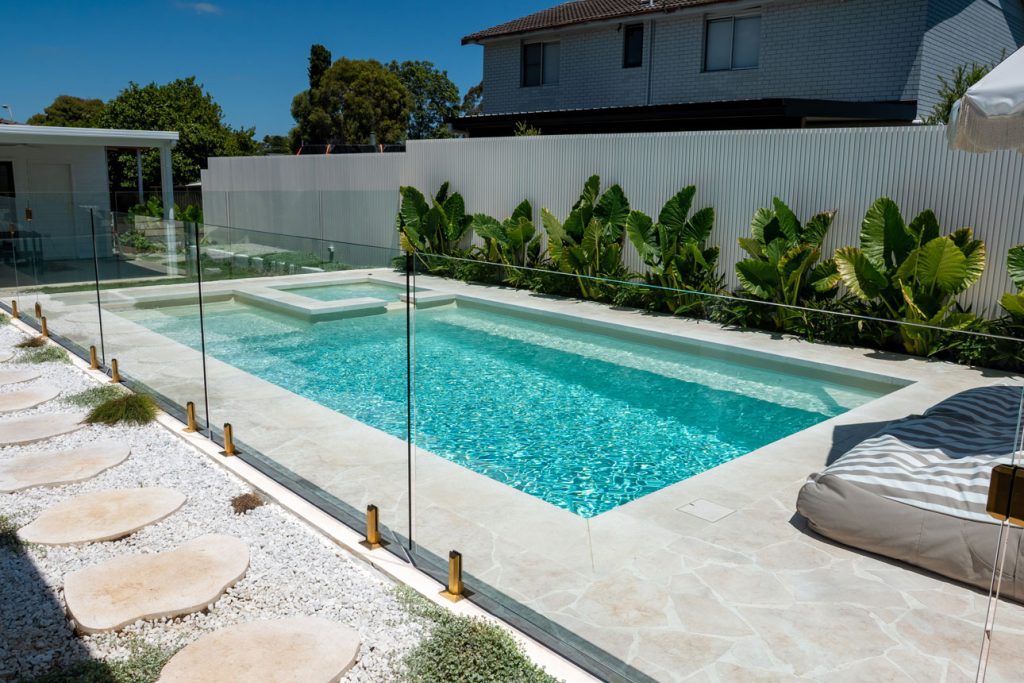
Why Fibreglass Pools Are Different

A fibreglass pool does not have an applied interior finish. The gelcoat is the outermost layer of the fibreglass shell itself, smooth, non-porous, and manufactured as part of the pool. There is no separate finish to apply, no resurfacing cycle to plan for, and no porous surface slowly absorbing chemicals and algae.

The full construction detail is covered on the pool construction layers page, but in summary, the gelcoat is the first of seven engineered layers, each contributing to the structural integrity and longevity of the pool.

The Gelcoat Surface

The Fibreglass Pool Company sources its gelcoat from a global ISO 9001 certified manufacturer supplying the pool industry for over 20 years. This is the same gelcoat and resin technology used in cars, boats, planes, and bridges, engineered for superior UV weathering, chemical resistance to chlorine and acid, and the highest available resistance to osmotic blistering, with long-term gloss retention.

Because the colour is integral to the gelcoat rather than applied on top, it does not peel or flake. The surface stays consistent throughout the life of the pool.

For more on what affects fibreglass pool lifespan, see How Long Do Fibreglass Pools Last?

Maintenance Advantages

Because the gelcoat is non-porous, algae and staining find much less purchase than they do on any applied concrete finish. The surface does not absorb chemicals the way plaster or even quartz does, which means water chemistry is easier to maintain and typically requires less chemical intervention. For most fibreglass pool owners, day-to-day maintenance is simply easier.

Common questions about what fibreglass maintenance actually involves are addressed in the myths and misconceptions guide.

Caring for Your Gelcoat

Gelcoat does require some basic care. Keeping water chemistry balanced and pH levels within the recommended range is the most effective way to preserve it long term. Avoid dragging hard equipment across the shell. The surface does the rest.

Quality of manufacture matters here. The Fibreglass Pool Company is the only fibreglass pool manufacturer in Australia to hold the Australian Standards 5-tick certified product certification, which provides independent verification of both the gelcoat and the structure beneath it.

Fibreglass Gelcoat vs Applied Concrete Finishes: Side by Side Comparison

 Fibreglass GelcoatApplied Concrete Finish (best case)
Surface typeNon-porous, integral to the shellPorous applied layer — separate from structure
Typical lifespan15–25+ years15–25 years (pebble/tile); 7–12 years (plaster)
Resurfacing required?No — gelcoat is the shellYes — every 7–25 years, depending on finish
Algae resistanceHigh — smooth, non-porous surfaceModerate — porosity increases over time
Chemical demandLower — surface holds balance wellHigher — porous surfaces absorb more chemicals
Comfort underfootSmooth throughout lifespanVaries — plaster roughens; pebble is always textured
Colour options11 Sparkle colours, integral to gelcoatWide range, but colour applied over the surface
Long-term costLower — no resurfacing cyclesHigher — factor in resurfacing every decade+
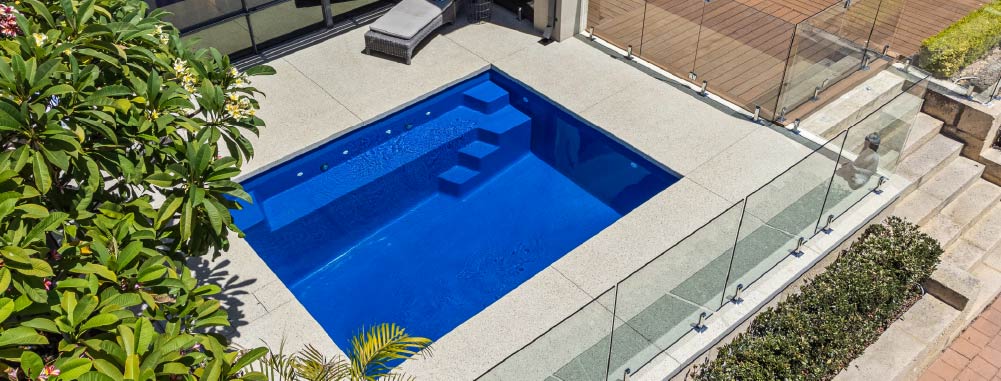
The Fibreglass Pool Company - Whitehaven style in the suns - aerial shot

Choosing Your Fibreglass Pool Colour

With a fibreglass pool, the finish decision comes down to one question: what colour do you want? The Fibreglass Pool Company offers 11 Sparkle colours, each integral to the gelcoat itself.

Lighter colours like Polo White Sparkle, Crystal Blue Sparkle, and Sapphire Blue Sparkle produce bright, tropical-looking water. Deeper tones like Skynight Sparkle and Mondo Grey Sparkle create a darker, more dramatic effect. Aqua Green Sparkle and Sandy Beach Sparkle sit in the middle ground, offering earthy warmth that suits natural landscaping.

Water colour shifts with light levels, time of day, shade, and surface movement, so real installed pool images are always a more reliable guide than swatches.

Browse all colours and compare them side by side using the interactive colour selector.

What Is the Best Finish for a Pool?

For anyone building a new pool, the answer is fibreglass gelcoat. It is built-in, non-porous, requires no resurfacing, and outlasts every applied concrete finish on a total cost- of-ownership basis. 

For existing concrete pools that need attention, the right choice depends on budget, expected lifespan, and maintenance tolerance.


If you want…

Choose…

Lowest maintenance and smooth feel

Fibreglass gelcoat: non-porous, smooth throughout its lifespan, no resurfacing required

Best durability for a concrete pool

Pebblecrete or glass bead blend: hard-wearing surface with a 15–25 year lifespan

Best value over time

Fibreglass gelcoat: strongest durability-to-cost ratio when you factor in the absence of resurfacing cycles

Premium aesthetic

Full tile or glass bead blend for concrete pools; deep-tone gelcoat (Skynight, Mondo Grey) for fibreglass

Best for families with children

Fibreglass gelcoat: smooth and gentle underfoot throughout the life of the pool

Budget concrete resurfacing

Plaster: lowest upfront cost, though expect to resurface again within 7–12 years

Frequently Asked Questions

What is the best finish for a pool?

For a new pool, fibreglass gelcoat is the best available finish. It is non-porous, smooth, requires no resurfacing, and is built into the shell of the pool rather than applied over it. For existing concrete pools that need resurfacing, quartz finishes offer the best balance of durability and cost; pebblecrete lasts longest; tile is the premium option.

No, not in the way concrete pools do. The gelcoat is the pool surface and is built into the shell itself. If a gelcoat becomes faded or oxidised after many years, restoration, buffing, or a gelcoat recoat can restore it. This is a very different process to the regular resurfacing cycle that concrete pool owners need to plan for.

Costs vary widely depending on finish type, pool size, surface condition, access, and location. Plaster is the most affordable option; quartz sits in the middle; pebble, glass bead, and tile are at the premium end. Surface preparation quality is often where quotes differ most. Always confirm what prep work is included, what finish system is being applied, and what warranty is provided.

As a long-term solution, no. Paint typically lasts 3–7 years and needs recoating regularly. Repeated layers can cause compatibility issues and limit future resurfacing options. It makes sense as a short-term fix when the budget is tight or when preparing a property for sale, but it is not a substitute for proper resurfacing.

A quality gelcoat surface maintained with proper water chemistry can last 15–25 years or more. The Fibreglass Pool Company’s gelcoat is engineered for UV resistance, chemical resistance, and long-term gloss retention. Actual lifespan depends on water chemistry management and the quality of the original manufacture.

Coarser pebblecrete finishes can be noticeably rough underfoot, which many families find uncomfortable once children are regularly using the pool. Glass bead blends are smoother, but still textured. A fibreglass gelcoat surface remains smooth throughout the life of the pool.

Colour is integral to the gelcoat in a fibreglass pool, so changing it requires a gelcoat recoat rather than a standard resurface. It is possible, but it is a more involved process. For new pool buyers, the colour is chosen once. The Fibreglass Pool Company offers 11 Sparkle colours.

Fibreglass gelcoat. Its non-porous surface resists algae and staining more effectively than any applied concrete finish, requires less chemical management, and does not need periodic resurfacing. Among concrete options, quartz and glass bead finishes are the lowest maintenance, but they still require eventual replacement and more ongoing chemical intervention than gelcoat.
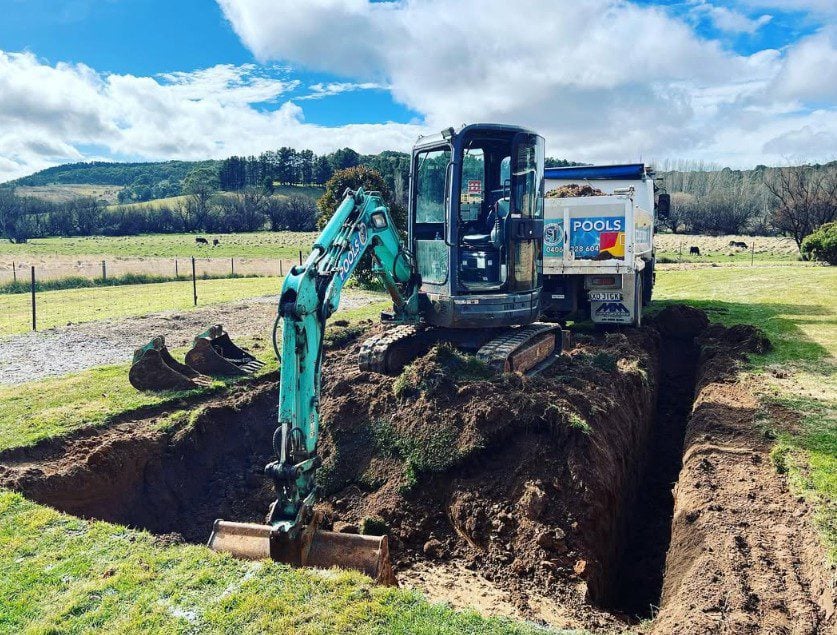
When planning a fibreglass swimming pool, a soil test may be required before installation. Even on sites that look stable, this step is not about paperwork or added cost. It provides critical insight into ground conditions for the pool to be excavated and installed correctly.

A soil test helps your pool builder understand the stability, composition, and how different soil types, including expansive soils, may behave once excavation begins.

This guide outlines what a pool soil test involves, when it is required, cost variations, and how the results affect excavation and installation.

Key Takeaways

What is the soil test for a pool?

A soil test for a swimming pool is a geotechnical assessment performed by a qualified professional (typically a geotechnical engineer) to assess ground conditions beneath the site. Its purpose is to identify the soil conditions below the proposed pool location and provide recommendations that guide safe excavation and correct pool installation.

The process usually involves drilling one or more boreholes within the pool footprint. Soil samples are taken from different depths and tested to determine soil types, soil composition, strength, and behaviour. These findings are then compiled into a written geotechnical report.

While reports vary by site, they commonly include information about soil classification, bearing capacity, and reactivity. Many also provide notes on drainage, groundwater or water table conditions, compaction requirements,s and footing or base preparation recommendations.

In practical terms, the report explains how stable the ground is, whether it is likely to move with moisture changes, and what needs to be done to support the pool shell properly during and after installation.

What your soil report might mention in plain English

You may see technical terms in your report, but they usually relate to everyday installation decisions, such as:

  • whether the soil expands or contracts when wet
  • how well water drains through the ground
  • how strong the soil is once compacted
  • whether additional drainage or support is required

Understanding these points helps installers plan excavation and base preparation with fewer assumptions and less risk. Together, these testing results guide installation decisions and reduce guesswork during excavation and base preparation.

When do you need soil testing for a swimming pool?

Not every pool site requires a formal soil test. However, there are many situations where testing is either required by engineering standards or strongly recommended to reduce risk.

Sloping blocks

Soil testing is commonly required on sloping blocks, particularly where excavation depth varies or retaining walls are required. Understanding the slope and ground stability helps guide safe excavation and long-term pool performance.

Reactive clay

Testing is also important on sites with reactive clay and expansive soils, which can expand when wet and contract as they dry. Identifying these soils allows your pool builder to plan for potential ground movement.

Unknown ground history

Filled sites or blocks with an unknown ground history are another common trigger. Imported fill may not be compacted evenly, which can affect pool stability long-term.  

Poor drainage

Areas with high water tables or poor drainage also benefit from testing, as effective groundwater management is critical during excavation and installation.

Heavy structures

Soil testing may be recommended when heavy structures, such as house extensions, boundary walls, or garages, are adjacent to the pool area. Knowing how the ground distributes load in these situations helps protect both the pool and the surrounding structures.

Reactive soils

In regions with known reactive soils, such as parts of regional Queensland, local site assessments are critical. This is why soil testing is often recommended for fibreglass pools in Toowoomba, where ground conditions can vary significantly between sites.

Can I do soil sampling myself?

You can dig a hole and observe the soil yourself, but this is not the same as a compliant soil test for a swimming pool.

A professional soil test relies on controlled boreholes, correct sampling methods, and laboratory testing. Just as importantly, the results must be interpreted by a qualified engineer who understands how soil behaviour affects excavation, compaction and long-term pool performance.

DIY sampling may provide a rough indication of soil type, but it rarely satisfies engineering requirements or replaces a proper geotechnical report. For many pool installations, particularly on higher-risk sites, installers and engineers rely on independent testing to make informed decisions.

How much does a soil test cost in Australia?

The cost of a soil test for a swimming pool in Australia varies based on site conditions and the level of assessment required.

Several factors influence pricing. These include site access, the number and depth of boreholes required, and the type of report needed. A basic soil classification report is generally cheaper than a detailed geotechnical report with engineering recommendations. Location also plays a role, with costs differing between metropolitan and regional areas.

When viewed in context, soil testing is a form of risk management. Identifying ground conditions early is usually far more cost-effective than addressing movement or drainage problems after installation.

How soil results affect pool excavation and installation

Soil test results directly influence how a fibreglass pool is installed, particularly during the excavation stage. For your pool builder, this information is used to determine excavation methods, base preparation, and drainage strategies suited to the site’s soil stability.

If soil strength is low or a collapse risk is identified, excavation methods and equipment selection may change to improve safety and stability. In some cases, temporary support measures may be required to maintain excavation walls.

Base preparation is another key area influenced by soil results. The report may specify how the pool base should be compacted, what materials are suitable, and whether additional stabilisation is needed to prevent settlement. Drainage and dewatering recommendations help manage groundwater so the pool shell remains properly supported.

This is why soil testing forms part of the broader planning stage and feeds directly into the excavation phase of The Fibreglass Pool Company’s installation process, where ground conditions influence equipment choice, base preparation, and drainage setup.

By addressing these factors upfront, soil testing helps reduce the risk of movement-related issues over the life of the pool.

Conclusion

A soil test for a swimming pool is not just an administrative step. It is a practical assessment that helps ensure your pool is installed on ground that can properly support it.

If you are still in the research phase, the Ultimate Guide to Fibreglass Pools installation costs and care provides a broader context around site preparation, installation stages, and long-term ownership considerations.

Next Step: Request Your Site Assessment

A soil test is an important step in ensuring your fibreglass swimming pool is built on a stable and suitable foundation. To discuss your project, arrange a site assessment, or get a quote, contact The Fibreglass Pool Company:

North & South Brisbane: 07 3078 6788
National: 1300 324 909

You can also visit our display centres or submit an enquiry through our contact page.

Frequently Asked Questions

What is the soil test for a pool?

A pool soil test is a geotechnical assessment that examines the ground beneath a proposed pool site. It identifies soil type, strength, and behaviour and provides recommendations for excavation and installation.

Not always. Flat sites with stable natural soils may not require formal testing, but sloping blocks, reactive clay sites, filled land, and drainage issues often do.

Pricing changes based on borehole depth, number of test locations, site access, and whether a basic or detailed geotechnical report is required.

You can observe soil manually, but a comprehensive soil test requires professional drilling, laboratory analysis, and engineering interpretation.

Soil testing helps prevent issues such as ground movement, poor drainage, uneven settlement, and excavation instability.

Many residential soil test reports are completed within one to two weeks, depending on laboratory turnaround times and complexity.

Maintaining a pristine pool isn't just about aesthetics; it’s essential for ensuring the health and safety of those who use it. A clean pool prevents the spread of bacteria and other contaminants, making it a safer environment for swimmers. A key component in achieving this level of cleanliness is your pool skimmer system. An efficient skimmer system is crucial for removing debris, such as leaves, insects, and other unwanted materials that can compromise water quality.

how-to-upgrade-your-pool-skimmer-system-banner

Key Takeaways

By keeping the surface clean, the skimmer reduces the overall workload of your pool’s filtration system, allowing it to function more effectively and prolonging its life. In this comprehensive guide, we will explore how you can upgrade your pool skimmer system to enhance its performance, make maintenance easier, and extend the life of your pool. We’ll cover essential tips and techniques, from choosing the right skimmer to installation and maintenance practices that will ensure your pool remains a sparkling oasis all season long.

Understanding your pool skimmer system

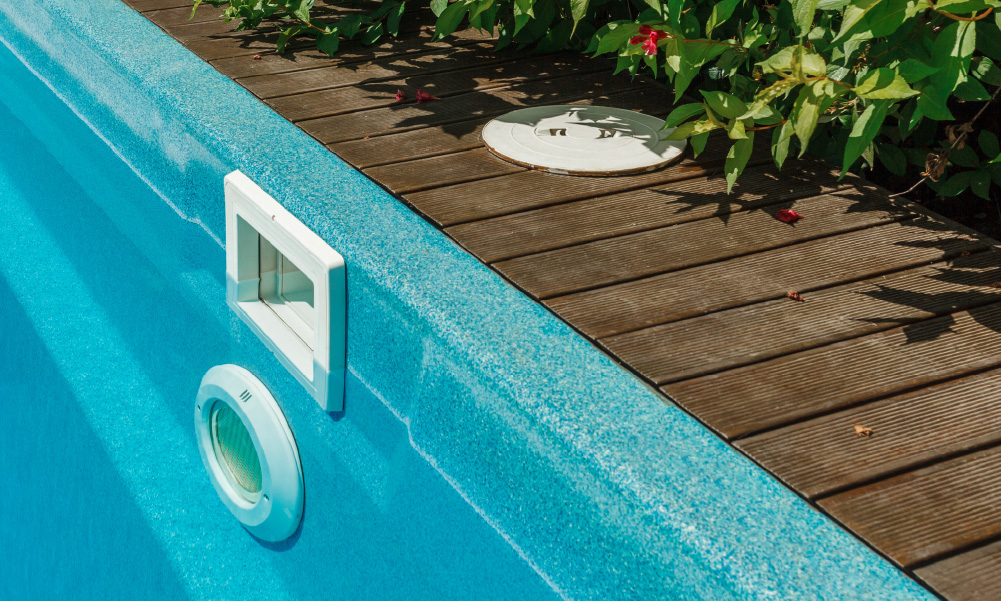
Before diving into the upgrade process, it’s important to understand the fundamental components and functions of your pool skimmer system. A pool skimmer is designed to draw water from the pool’s surface and pass it through the circulation and filtration system, so debris like leaves, twigs, hair and other contaminants can be removed before they sink.

A typical skimmer system includes:

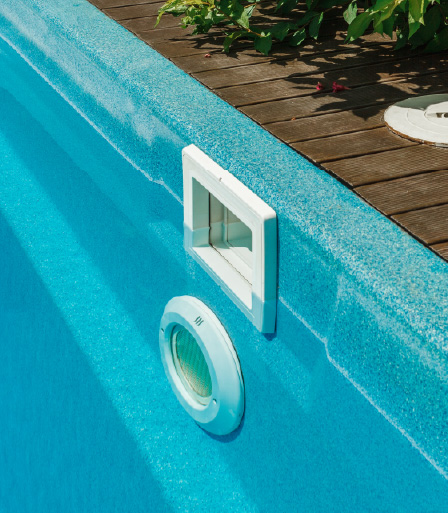
  • The skimmer box: This box is fitted into the side of the pool and houses the skimmer basket and weir.
  • The skimmer basket: This basket catches large debris such as leaves, hair, and other floating particles. Without it, debris can clog and damage your pool’s circulation and filtration system.
  • The weir: A flap that helps to control the flow of water into the skimmer, ensuring that debris is efficiently collected. When the pump turns off, the weir pivots closed to help stop debris from drifting back into the pool.
  • The suction line: Connects the skimmer box to the pool pump, drawing water and debris into the filtration system.

Extra skimmer components you may see

  • The mouth: The opening of the skimmer through which water and debris are pulled in.
  • The lid: Helps stop larger debris entering the skimmer box and keeps the skimmer basket protected and accessible.
  • The equaliser line: Helps prevent the skimmer from sucking air if the water level drops below the main inlet.
how-to-upgrade-your-pool-skimmer-system-blogimage1

What do pool skimmers do?

Pool skimmers do more than just “catch leaves”. Key benefits include:

  • Filtration and circulation: Skimmers act as the starting point of pool circulation, collecting debris before it reaches your pump or filter.
  • Supporting sanitation: Many pool owners place chlorine tablets in a skimmer basket for controlled dissolving as water passes through (always follow product directions and ensure it’s suitable for your setup).
  • Pool vacuuming connection point: You can vacuum through skimmers by inserting the vacuum hose into the skimmer suction hole, or using a skimmer vacuum plate.

Different types of pool skimmers

Depending on your pool setup and how much debris you deal with, you may come across several skimmer types:

  • Manual pool skimmer: A mesh net attached to a pole that you use by hand to clear debris from the surface.
  • Automatic pool skimmer: A surface skimmer that moves across the pool and collects floating debris.
  • Robotic pool skimmer: Self-contained skimmers that can run on solar power or batteries and skim debris as they float on the surface.
  • Built-in pool skimmer: The most common style for many pools—built into the pool wall and connected to your plumbing system.

Signs your pool skimmer system needs an upgrade

Even the best pool skimmers can become less effective over time. Here are some common indicators that your pool skimmer system may be underperforming:

  • Poor water circulation: If you notice stagnant areas in your pool, it could be a sign that your skimmer is not effectively circulating water.
  • Frequent clogging: Constantly having to clear out blockages in your skimmer basket or suction line can indicate that your system is struggling to handle the debris load.
  • Visible debris: If you find that debris is not being adequately removed from the surface of your pool, it might be time for an upgrade.
  • Age of the system: Older systems may not be as efficient or energy-saving as newer models.
  • Increased maintenance: If you’re spending more time maintaining your skimmer than enjoying your pool, an upgrade could save you time and hassle in the long run.

How to choose the right skimmer system upgrade

When considering an upgrade, several factors need to be taken into account:

  • Pool size: Ensure the new skimmer system is suitable for your pool’s size and volume.
  • Current system setup: Take into account your pool’s existing plumbing and filtration setup to ensure compatibility.
  • Budget: While upgrading can be an investment, consider the long-term savings on maintenance and energy costs.
  • Energy efficiency: Opt for systems that are designed to be energy-efficient, reducing the operational cost of running your pool.
  • Ease of maintenance: Look for skimmer systems that offer easy access and cleaning features.

Extra considerations before you buy

  • Durability: Skimmers come in different materials and build quality. Check reviews and ensure the skimmer suits your pool type and environment.
  • Cost vs value: Compare skimmers so you understand what you’re paying for and whether it’s worth the upgrade.
  • Ease of installation: Some skimmer upgrades are straightforward, others are best handled by a professional. If you’re unsure, it’s worth working with a proficient pool builder.

Step-by-step guide to upgrading your pool skimmer system

Ready to take the plunge? Follow this detailed guide to upgrade your pool skimmer system:

Pre-installation preparation

  • Research and purchase: Select the skimmer system that best meets your needs.
  • Gather tools and materials: You’ll need basic tools such as a screwdriver, PVC glue, and measuring tape.
  • Turn off the pool pump: Ensure the pump is off to prevent any accidents.

Installation process

  • Drain the pool: Lower the water level below the skimmer opening.
  • Remove the old skimmer: Carefully detach the existing skimmer box and clean the surrounding area.
  • Install the new skimmer: Position the new skimmer box and secure it in place, ensuring a watertight seal.
  • Connect the suction line: Attach the suction line to the new skimmer, using PVC glue for a secure fit.
  • Check for leaks: Once everything is in place, inspect for any potential leaks.

Post-installation maintenance tips

  • Refill the pool: Bring the water level back up to the appropriate level.
  • Test the system: Turn on the pool pump and check for proper operation.
  • Routine checks: Regularly inspect the skimmer basket and weir for any debris or blockages.

How to maintain your pool skimmer (weekly basics)

You must regularly clean your pool skimmer to ensure it works suitably. A clogged skimmer basket can damage your pool’s filtration system. It will make the pool’s pump work more than normal to cycle the water. This, in turn, can reduce the life of the pool filter and the pump.

Make sure you properly inspect the skimmer’s weir, basket, and lid once a week to keep your pool clean. If your backyard has a lot of trees or you are expecting a windstorm, it is recommended to clean the skimmers more frequently.

All you have to do is turn off the pool pump, remove the lid, take out the contents of the skimmer basket, then return the basket, close the lid and turn the pool pump back on once you are done. If your pool is regularly getting dirty or you’re unsure what “normal” cleaning looks like, this guide can help: How do you clean a fibreglass swimming pool?

how-to-upgrade-your-pool-skimmer-system-blogimage2

The Benefits of Upgrading Your Pool Skimmer System

Upgrading your pool skimmer system provides numerous benefits, both immediate and long-term. Here are some key advantages:

  • Improved water circulation: Enhanced skimmers ensure better water flow, helping to keep the entire pool clean.
  • Reduced maintenance: A more efficient skimmer system means less frequent cleaning and maintenance.
  • Energy savings: Modern skimmer systems are designed to be energy-efficient, reducing electricity costs.
  • Extended equipment life: By reducing the load on your pool’s filtration system, an upgraded skimmer can help extend its lifespan.
  • Enhanced aesthetics: A clean and clear pool is more inviting and enjoyable.

Upgrading your pool skimmer system is a worthwhile investment that enhances the overall maintenance and enjoyment of your pool. From improved water circulation to significant energy savings, the benefits are clear. A more efficient skimmer system can reduce the amount of time you spend manually cleaning your pool, allowing you to relax and enjoy your outdoor space more fully.

If you’re seeing signs that your current system is underperforming, such as poor water clarity or increased debris, consider the upgrade options available and take the plunge. Ready to take the first step? Upgrading your pool skimmer system will not only enhance your pool’s functionality but also provide you with more time to enjoy the water.

Frequently Asked Questions

What is a pool skimmer and what does it do?

A pool skimmer draws water from the surface and sends it into the circulation/filtration system, catching leaves and floating debris before it sinks. It helps protect your pump and filter by reducing blockages and improving surface cleanliness.

Common parts include the skimmer box, skimmer basket, weir (flap), and suction line. Many skimmers also have a lid, a skimmer “mouth” opening, and sometimes an equaliser line to help prevent the skimmer sucking air if the water level drops.

Signs include poor circulation, frequent clogging, visible debris not being collected, an older system that’s less efficient, and increased time spent cleaning or troubleshooting.

You may see manual skimmers (hand nets), automatic surface skimmers, robotic skimmers (battery/solar), and built-in skimmers connected to the pool plumbing system.

At least once a week, and more often if you have lots of trees, heavy winds, storms, or high debris load. A clogged basket can strain your pump and filter.

Yes. Many pool owners vacuum through the skimmer by inserting the vacuum hose into the skimmer suction hole or using a skimmer vacuum plate for effective vacuuming and debris removal.

When you are planning to have a pool installed in your backyard, you need to take some time out to research the various designs out there. You can get as creative as you want when designing your pool. But don’t forget to ask yourself what design best fits your space without compromising on the affordability aspect. Before taking a call, explore the different pool designs and choose the one that can cost-effectively create the appeal you want.

backyard-pool-ideas-on-a-budget-landscape

Key Takeaways

Planning is the first step

Why do you need a pool?

Start at the very beginning just as you would for any big renovation project by examining your reasons behind investing in a swimming pool. This will influence the design aspects including depth, size, shape, and the type of construction considerably.

Think about what purpose the pool will serve – relaxing, laps or recreation? Who will use the pool – your children/child and their friends, you or everyone in the family? Is the pool meant to be the focal point for your backyard landscape or is it going to enhance a view?

What is your budget?

Once you have a clear idea of your pool’s purpose, it becomes easier to sort out the rest of your decisions. Before progressing further, ensure you ask yourself the vital question – what is your budget for the pool?

The cost of swimming pool can range between $5,000 to $100,000 or more, depending on the size and type of pool. While inground pools cost $35,000 onwards, above ground pools have a starting price of $7,000. Plunge pools can have an average cost of $8,000. The average amount that most homeowners spend on backyard pool installation is about $50,000.

In-ground or above-ground

The first factor is your backyard. Do you have a level surface in your yard? If so, you are lucky. You can either choose to have an above-ground pool or an in-ground one. If your yard, on the other hand is sloping, has an uneven or rocky surface, an above-ground pool would make the best choice. A fibreglass above-ground pool is ideal for hillside or sloping properties. It is strong, durable, and can sit on any surface without throwing any challenges at you.

Is the site on a sloping land?

If your home is located on a hill or a sloping land or an uneven, rocky surface, the cost of installing a pool can be higher. If the site is level and even, it is easier and cheaper to build a pool. You will also have to look at ground conditions that can include unstable soil, high water table or sandy soil that can make the pool building process a bit tricky. In these cases, it is better to opt for above-ground pools.

Your property’s size and location will determine the design, shape and size of the pool. Urban sites have stringent requirements in terms of positioning of the pool near your property boundaries. Factors such as neighbouring trees or shadings from buildings can limit your options of positioning your pool. Onto the final stages of preparation before you can really get stuck into your backyard design ideas.

Your local council can give you more information on approval requirements while you can find safety regulations on your building authority website.

Before you determine the pool type, check if there are pipes or cables running below the pool area.

Pool positioning

The next thing is pool positioning. Most people love to have their pool installed at the center of their backyard. While some would prefer to have it close to their home, several others like to have the pool parallel to their building, at a distance.

Pool design and positioning depends upon your home architecture too. Ensure to match your pool with the architectural style and your property decor. You should also think how your pool builder can access your yard and how this impacts pool positioning.

Once you have answers to these questions or thoughts, identify your need. Why are you buying a pool? Is it for relaxation and fun or to boost your health and immunity?

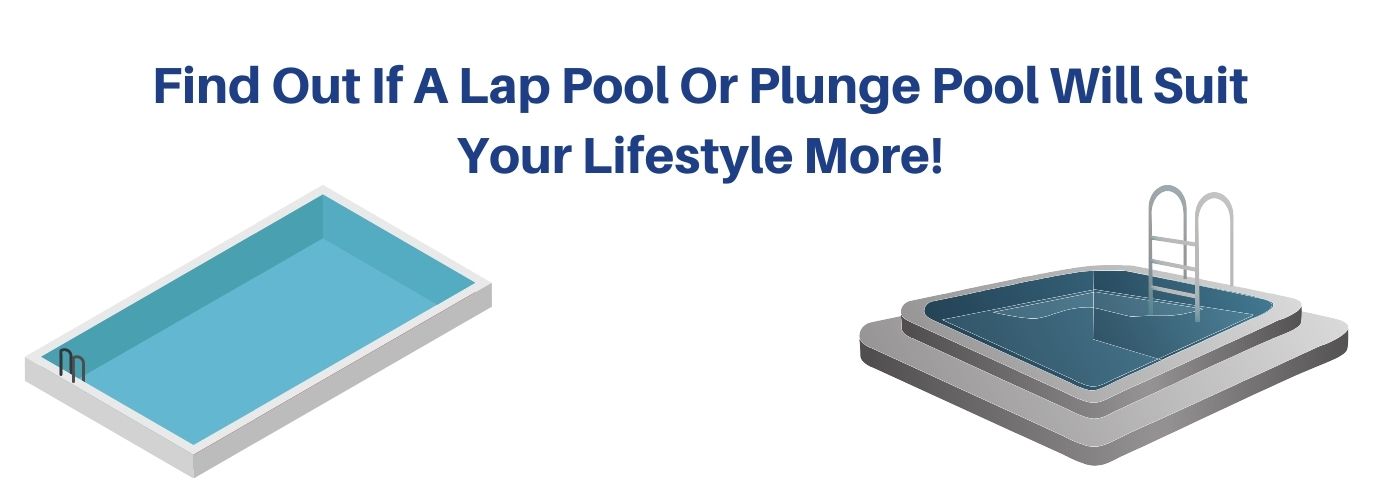
Decide Between A Lap Pool And A Plunge Pool

A lap pool is ideal if you are more concerned about achieving fitness levels. It offers a long stretch of unobstructed water to practice swimming. You and your family can exercise in complete privacy at your convenient time and improve your health to a great extent.

A plunge pool is perfect if you want to relax and rejuvenate. It is deeper than the other pools and more compact, and the best choice if you have a small backyard. Immerse yourself in this pool every evening after work and feel the soothing water on your body. You can also do gentle water exercises. Further, you can customize this pool with jets for an enhanced pool experience. A plunge pool can sit in minimum space and provide the gratification you craved for.

The choice is abundant. Determine your need, space availability and affordability before choosing a pool design. If you are in a dilemma and unable to make a decision, you can also contact your local pool company for advice. A reputed pool builder will visit your place, check your backyard and suggest the ideal pool design.

hampton

Next Steps

  • Get to know the approval requirements by reaching out to your local council.
  • Check the site map to make sure there are no pipes or cables running under your pool area.
  • Understand the local safety regulations.
  • Explore the different local pool builders and choose a company that you feel is reliable for your pool installation.

Courtyard pool designs

If your property comprises a small courtyard, you can plan to have your dream pool within that space. Opt for an in-ground or above-ground compact plunge pool where you can rejuvenate your body and mind. You can also consider getting rounded edges for your plunge pool. To create a more calming and relaxed atmosphere, place comfy seating around.

If your house is modern with contemporary architecture, a straight-edged rectangular pool will be a good choice. Surround this with neutral colored tiles and attractive decking to rightly set up the space. You can also grow some small potted green plants to create a lush ambiance. Hibiscus, roses, and palms are good options.

You should also consider your pool’s closeness to your neighbor’s property. If it is positioned very close to your neighbor’s house, elevate your deck to ensure pool privacy. Get creative and think of wise options to make your pool attractive while ensuring to keep it away from the view of your neighbors.

Budget contemporary pool ideas

If you are a cool personality with a liking for the contemporary lifestyle, consider getting a rectangular infinity pool. It appears luxurious and perfectly resonates with your personality.

A lap pool is one of the pool designs that never go out of fashion. Complement this pool with attractive water features and a glass surround to create a stunning look.

If you are looking for a more modern vibe, place a few sleek seats beside your pool. Add mood lighting to up the space appeal. You can find adjustable LED lights that can truly transform the look of your pool area. A fire pit is also a great inclusion.

Trendy design ideas (space-maximising on smaller blocks)

With urban sites getting smaller, pool styles are following suite with clever space-maximising pool designs being available. Infinity edges are also increasingly used in residential pools while mineral water pools are preferred by many as they are gentler as compared to chlorine or salt on your skin.

Plunge pools, thin and long lap pools and swim jets are the other trending types of pools. To stay in the contemporary design zone or to follow the trend, sticking to straight, clean lines will help, particularly for the infinity pool design. You can also highlight your backyard pool by dividing it into two sections that includes a spa section and a swimming pool section.

Compliment the clean design with neutral tiles, a cabana and built-in seating alongside the pool. Strategic lighting and accent colors for the seating can break the monotony of neutral colors.

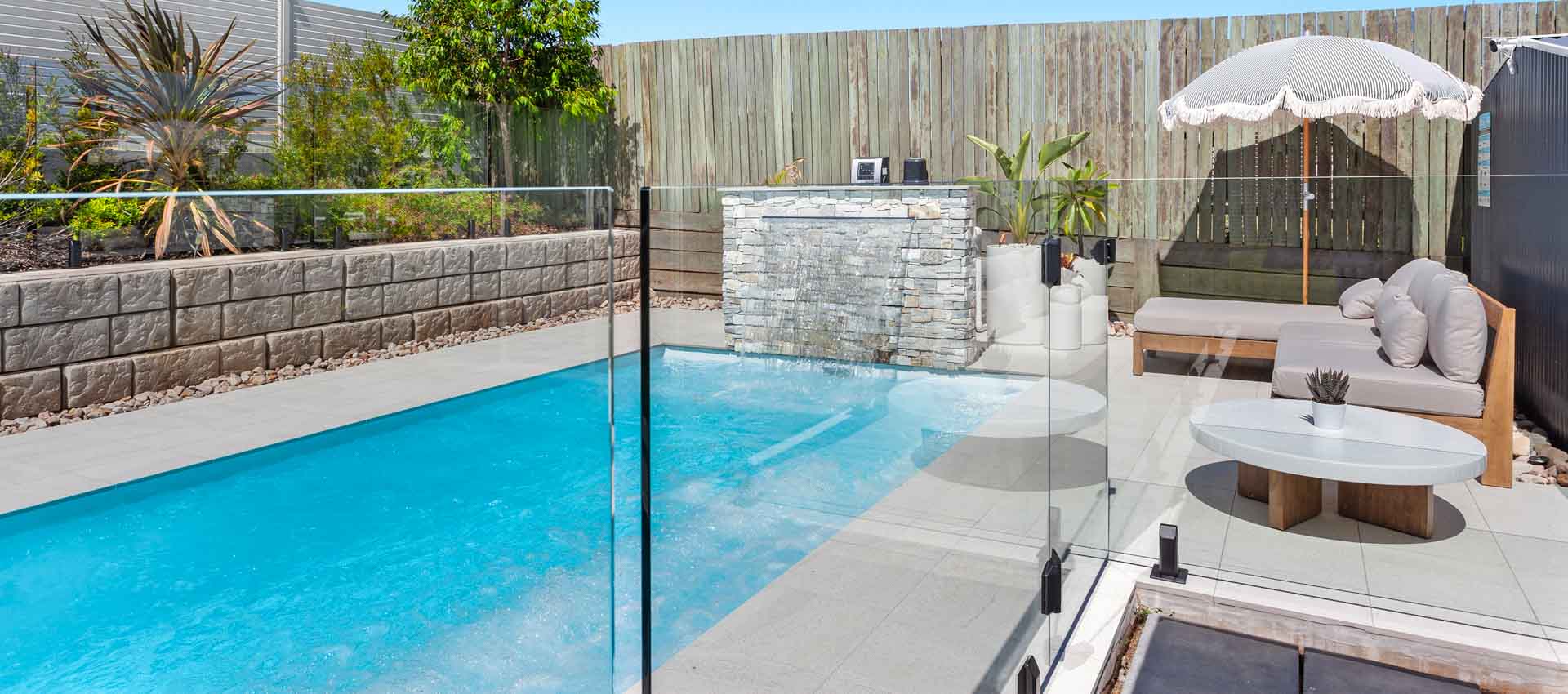
Choosing the pool fencing that is best suited for your swimming pool can also impact the overall look and function of outdoor entertaining areas. Try out a simple glass fence to create clean sightlines between the pool and the interiors of the home.

Family pool ideas

A classic rectangular swimming pool is perfect for families. With shallow areas at the ends and a deep center, this pool design is going to be great for playing pool games.

Add some deck jets with backlighting to make pool time even exciting.

Create a lounge area where you can rest and monitor your kids while they are playing in the pool.

Are you a nature lover?

Create a pool area inspired by nature. Place different sized stones around your pool and plant grasses in between to bring in a naturalistic feel. Incorporate an infinity waterfall or a rocky waterfall to further enhance the beauty of the space.

Love the sounds of birds and insects? Plant stuff in your garden that attracts these creatures, Rice flower bushes, Acacia, and the red gum flowers are some of them to mention.

Embrace nature (budget-friendly landscaping ideas)

If you are a nature lover, there are many ways to incorporate greenery and nature elements in your backyard pool design.

You can really run wild with your ideas and convert your backyard into a Tuscan retreat by planting cypress trees, and using planters and terra cotta tiles. Earthen pots and rustic looking umbrella can complete the look.

The other way to embrace nature is to landscape the courtyard with gravel, rocks, succulents, grass and other flora to bring in an organic look.

If you are lucky enough to have a large tree cover or dense foliage, design your pool around it to create an enchanting vibe. Other ways to incorporate nature include adding a waterfall or creating a cascading effect in your pool. A dramatic effect can be created with coral stepping stones at the shallow end of your pool.

Plant specific trees and bushes that attract birds and bees in your garden to sit back and enjoy nature like never before. Cactii planters all around your pool can also create a stunning effect.

Go eco-friendly (and keep running costs down)

If your home has eco-friendly elements, follow the theme for your pool. Focus on the size to minimize energy and water use while installing LED lighting and energy efficient, five star rated pool pump or solar energy. Utilize eco-friendly materials for your pool that can include stone, brick, wood and fiberglass.

While concrete is used for pools, installation takes three to four months while bad weather can disrupt construction while concrete’s porous nature increases risk of mould and algae growth. Fiberglass is an increasingly popular and environmentally-friendly alternative for pools. The material is built to last and has low embodied energy which is the energy needed to make the product using raw materials and deliver the finished product.

Fibreglass pools can be pre-moulded into different shapes and are positioned inside the ground or set above with extra supports. The competitive cost and choice of pool types make this a popular choice for backyard swimming pools. With wide ranging bespoke colours to choose from, you can create the look of your dreams in your backyard.

Whether you want an infinity edge, swim jets or paddling pool, fiberglass is the right choice that can make your pool affordable and attractive.

Ready to turn your budget pool ideas into a real plan? The Fibreglass Pool Company can help you choose the right pool type for your space, recommend a size and layout that suits your lifestyle, and guide you through practical options to keep the build cost-effective (without sacrificing the look you want). Get in touch with our team or request a free quote and we’ll help you take the next step with confidence.

Frequently Asked Questions

What’s the best budget-friendly pool type for a small backyard?

A plunge pool is often a budget-friendly option for small spaces because it’s compact and can still be customised with features like jets. Slim lap pools can also work well if fitness is your priority.

Often, yes—especially on sloping or uneven blocks where excavation costs can rise. Above-ground options can also be more practical on tricky sites.

Site conditions (slope, soil, high water table), access for machinery, pool size/type, approvals, fencing requirements, and landscaping/decking scope are usually the biggest cost drivers.

Focus on low-cost, high-impact upgrades like mood lighting, a simple seating/lounge zone, greenery in pots/planters, neutral tiling, and clean fencing (like glass for clear sightlines).

Thin lap pools, compact plunge pools, straight clean lines, simple water features, and a split “spa + swim” zone look modern and maximise space on smaller blocks.

Fibreglass pools come in pre-moulded shapes, can be installed in-ground or above with supports, and offer a competitive cost range with many colour options—making them a popular choice for affordable, attractive backyard pools.

A swimming pool should be something you can enjoy more than just a few months of the year. Yet for many homeowners, cooler temperatures quickly limit how often the pool gets used.

Pool heating offers a simple way to change that, transforming your pool from a seasonal feature into a space you can enjoy across more of the year. Whether you’re looking to extend your swimming season, improve comfort, or get greater value from your investment, the right heating system can make a noticeable difference.

In this guide, we’ll explore the key benefits of pool heating and break down the main options available, so you can decide what’s right for your home.

Key Takeaways

Types of Pool Heaters (Solar, Electric and Gas)

Solar Pool Heating

Solar heats the water using a natural source of energy: the sun. It is positioned on your roof, and water from your pool is pumped up and passed through a series of capillary tubes. The water is warmed and sent back to your swimming pool at an increased temperature. Solar can reduce heating costs significantly compared to systems that rely primarily on electricity or gas.

The downside is that it doesn’t work as well when there is little sun, so if you want to swim but the weather is poor, you may not reach the desired water temperature.

If a solar heating system is out of budget for now, you can also consider a solar pool cover as an entry-level alternative. A cover won’t heat the water like a heater, but it can help retain heat by reducing heat loss and evaporation. For best results, many pool owners use a heating system in conjunction with a pool cover.

Electric Heating (Heat Pumps)

Electric heating pumps (heat pumps) are popular because they’re widely available and easy to use. They work via a heat exchanger that extracts heat from the air to warm your pool water. Because they don’t rely on the sun in the same way solar systems do, you don’t have to worry as much about “no sun, no heat.”

Electric heating can be more expensive to run than solar, but it is often cheaper to install initially than some solar setups and can heat the pool consistently in areas with less sunlight.

Gas Heating

Gas heating is often considered the most powerful and fast-acting option. These heaters can warm pool water quickly and don’t rely on the sun or ambient air temperature to the same extent. This can be ideal for families who want fast heat-up times or who don’t swim frequently but want quick comfort when they do.

Gas can also be the most expensive option to run and is generally less environmentally friendly. Some owners choose solar as the primary heat source with gas as a back-up for cloudy periods. Gas heating commonly uses a combustion chamber with copper coils; cold pool water passes through the coils, is heated, and returns to the pool.

Read more in our complete guide to pool heaters here.

The Fibreglass Pool Company - Whitehaven style with spa jets on

The Benefits of Pool Heating

Unlimited (or Year-Round) Pool Use

This is the main reason people install a heating system. Being able to swim when you want, rather than waiting for the weather to be warm enough, means you can get much more use out of your pool. Instead of letting your pool sit unused for months, heating helps extend your season and your swims into the evening as well.

Makes Swimming More Enjoyable

Swimming in cold water isn’t overly enjoyable unless you’re doing an intense workout, and even then, you may be inclined to jump out quickly to warm up. A heating system can increase the water temperature by up to around 10 degrees, which can make a noticeable difference in comfort.

Generally, infants and older swimmers may not tolerate cold water well, so heating can make the pool more enjoyable for everyone in the household.

Host Pool Parties More Confidently (and More Often)

Weather can be unpredictabl, even during warmer months. A pool heater helps keep water comfortable if temperatures drop, and it can make pool parties more accessible throughout the year. If you have a gas heater, you can heat the pool quickly; with solar, you can reduce the running cost impact when conditions are favourable.

Encourage Fitness & Exercise

Heating helps you keep fitness goals on track instead of letting them fall away when temperatures drop. Swimming in comfortable water can make it easier to stay consistent with low-impact exercise. Being submerged in tepid water can also feel relaxing and may help reduce stress and built-up tension.

Add Value to Your Home

Comfort features can add appeal to a property, and pool heating is no exception. Not all pools have heating installed, so it can be a differentiator if you ever decide to sell. Heating is also convenient because new owners don’t have to organise the installation themselves.

Cost-Effective Options Exist

Pool heating has come a long way, and there are options for more budget-conscious owners. Solar, electric, and gas all offer different trade-offs between upfront cost, running costs, convenience and performance, so the “best” option depends on how often you swim, your local climate, and how quickly you want the pool heated.

Smart Controls Give You More Control

If you want the ultimate in convenience, consider a heating system that is compatible with smart technology. Smart controls can let you manage heating from your phone or device, including turning it on before you get home (so the pool is ready to swim) and turning it off if you forgot.

Low Maintenance

Once installed, heating systems are generally durable and require very little maintenance beyond minimal checks and regular servicing. With a routine service schedule, a heating system can be a long-term upgrade you benefit from for years.

Need Help Choosing The Right Pool Heating Option?

If you’d like more information, get in touch and one of our friendly team members will happily assist.

Frequently Asked Questions

What are the main types of pool heating systems?

The main types are solar pool heating, electric heat pumps, and gas heating systems. Each option has different upfront costs, running costs, and performance depending on weather and how quickly you want to heat the water.

Yes. Heating lets you use your pool more often across the year (and later into the evening), rather than only swimming when the weather is naturally warm enough.

Solar heating uses the sun to warm pool water. Water is pumped through tubing (often on the roof), warmed, and returned to the pool at a higher temperature. Solar is cost-effective to run, but performance drops when there’s little sunlight.

They can be. Electric heat pumps don’t rely on the sun the same way solar systems do and can heat more consistently in areas with less sunlight, although running costs may be higher than solar.

Gas heating is fast and powerful. It can heat pool water quickly and doesn’t rely on the sun or ambient air temperature in the same way, but it can be more expensive to run and less environmentally friendly.

Not usually. The page notes heating systems are generally durable and require little maintenance beyond minimal checks and regular servicing.

Pool excavation is the precise construction process of preparing the ground for your fibreglass swimming pool. It involves more than just removing soil; it ensures the site is stable, properly drained, and ready for compliant installation.

This article explains how pool excavation works, what can influence timelines and complexity, and why getting this stage right is critical to a smooth installation. By the end, you will have a clear understanding of what to expect and how to plan for a predictable, efficient excavation process.

Key Takeaways

What Is Pool Excavation?

Pool excavation involves more than digging a hole and removing soil. It is the first critical stage of in-ground pool construction and is a controlled process that carefully removes soil, rock, and debris to create an accurately shaped and level space for a fibreglass pool shell. 

Using appropriate heavy machinery, excavation is completed to precise dimensions, depth, and layout based on an approved excavation plan, ensuring the pool shell fits exactly as designed.

The process includes:

  • Site assessment and layout marking
  • Digging and shaping the pool cavity
  • Managing soil removal
  • Site preparation (preparing a stable base for installation)

Accuracy is essential because fibreglass pools are manufactured off-site and must fit the excavation precisely. Poor excavation can lead to misaligned shells, unstable foundations, and costly construction delays.>

Learn more about how excavation fits into the broader fibreglass pool installation process.

How to Dig Out for a Swimming Pool Step by Step

Every pool site is unique, but most excavations follow a consistent workflow. At The Fibreglass Pool Company, we manage each step with precision and safety in mind.

Step One: Site Assessment and Layout Marking

  • Clear vegetation and remove topsoil to expose a firm base.
  • Level the area using a laser or transit level to create a uniform work surface.
  • Stake pool corners and outline edges with chalk or spray paint to establish excavation boundaries.

Step Two: Underground Services Check

  • Locate water, sewer, electrical, gas, and communication lines.
  • Mark all underground services with colour-coded paint or flags to avoid accidental damage.

Step Three: Excavation and Shaping

  • Use machinery suitable to site conditions: standard excavators for open sites, mini diggers for narrow or restricted areas, and skid steer loaders for confined spaces.
  • Shape the hole according to pool design, including steps, ledges, and depth transitions.

Step Four: Spoil Removal or Stockpiling

  • Excavated soil is either removed from the site or stockpiled for later reuse.
  • On tight access sites, spoil removal can increase labour and transport costs.

Step Five: Base Preparation

  • Grade the pool cavity to the specified depth and slope.
  • Compact the subgrade using a plate compactor to ensure stability.
  • Check levels with laser equipment to confirm accuracy.

Step Six: Dewatering and Drainage

  • For high water tables or wet weather, install sump pumps, wellpoint systems, or perimeter drains.
  • Proper water management prevents site instability and delays.

Step Seven: Ready for Pool Delivery and Installation

  • Once excavation and base preparation are complete, the site is ready for pool delivery and installation.
fibreglass pool getting delivered to property

What Affects Pool Excavation Cost?

Pool excavation is not a one-size-fits-all process. The time, equipment, and expertise required can vary significantly depending on site conditions and pool design.

Key factors that influence excavation complexity and cost include:

Ground Conditions

Soil type and stability play a major role in how easily an area can be excavated. Soft soils are generally straightforward, while clay, reactive ground, or rock can require specialised equipment and more controlled excavation methods.

Site Access

Access determines the size of machinery that can be used and how efficiently material can be removed. Restricted access may require smaller equipment or additional manual work.

Block Slope and Ground Levels

Sloping or uneven sites often require stepped excavation or retaining solutions to create a stable, level base for the pool. Read more about fibreglass pools on a sloping block.

Spoil Volume and Removal Logistics

The amount of material removed and the ease of transporting it off-site can affect excavation planning, particularly on smaller or built-up properties.

Pool Size and Shape

Larger pools require greater accuracy, additional digging, and more time on site to achieve precise dimensions.

Because every property is different, excavation requirements are best assessed through an on-site inspection.

Pool Removal vs Excavation When Replacing an Old Pool

Replacing an existing pool involves a different scope of work than excavating for a new pool on a clear site.

Pool removal typically includes demolishing the existing structure, removing and disposing of materials, and rebuilding a stable base before new excavation begins. This process must be carefully managed to ensure the ground is suitable for the new pool installation.

Additional considerations when replacing a pool may include:

  • The construction type of the existing pool
  • Structural impacts on surrounding areas
  • Engineering requirements for backfilling and compaction
  • Council approvals, inspections, and compliance processes
  • Coordination of access, lifting equipment, or traffic management if required

Understanding the difference between excavation and removal helps homeowners plan appropriately and avoid unexpected challenges during a pool replacement project.

Common Pool Excavation Mistakes to Avoid

Even small errors during excavation can lead to costly delays, safety hazards, and long-term issues with your pool. Understanding the most common mistakes helps homeowners and pool builders plan effectively. Here’s what to look out for:

  • Failing to plan machinery access
  • Ignoring drainage or groundwater management
  • Underestimating spoil removal
  • Rushing set out and level checks
  • Skipping site assessments on challenging blocks

Safety and Environmental Considerations

Safety is a critical part of any pool excavation project. In unstable soil conditions, trench walls must be properly shored to prevent collapse, while sloped excavations should be benched to safe angles based on the specific soil type. 

Daily trench inspections are essential to identify potential hazards as conditions change throughout the excavation process. 

Environmental responsibility is also an important consideration during excavation. Best practices include reusing soil where possible, implementing erosion-control measures, and managing water responsibly to prevent runoff and site damage. These practices help protect the surrounding environment, ensure compliance with local regulations, and minimise unnecessary waste.

Planning Your Excavation

Pool excavation transforms raw earth into the foundation of your dream pool. With proper planning, accurate site assessment, professional machinery, and safety protocols, excavation can be predictable and efficient.

At The Fibreglass Pool Company, we manage excavation as part of a complete fibreglass pool installation process, ensuring your project stays on track, compliant, and ready for a beautiful, long-lasting pool. Request a site assessment or quote to start planning your pool today.

Frequently Asked Questions About Pool Excavations

How do you dig out for a swimming pool?

A pool is excavated by marking out the site, checking underground services, digging with suitable machinery, removing spoil, and preparing a stable, level base.

Site access, soil type, rock, slope, water table, spoil removal, and pool size or complexity.

Fibreglass pool excavation often takes one day, but complex sites with rock or drainage issues can take longer.

Major cost drivers include the pool shell, site works including excavation, fencing, landscaping, and optional upgrades like heating or automation.

Consider maintenance costs, safety, resale potential, and whether renovation or replacement offers better value. Feel free to contact our pool builders for professional advice.

A standard dig uses larger machinery for open access sites and is faster, while a mini dig is used for narrow or restricted sites and requires more labour.

A soil test determines soil type, bearing capacity, and drainage, guiding equipment choice, excavation technique, and cost estimation.

Dewatering pumps, sump systems, and perimeter drains maintain stability and prevent delays in wet conditions.

Hydraulic breakers, rock saws, or manual splitting are used depending on hardness and site access.

Dreaming of a fibreglass pool but stuck with a sloping backyard? You are not alone. Many Australian homeowners face the challenge of uneven terrain when considering a swimming pool. In fact, many residential lots in Australia are non-flat, ranging from gradual inclines to steep slopes.

While a sloping block can feel like a limitation, it does not have to stop your pool plans. With careful planning, clever design, and the right pool type, uneven ground can be transformed into a functional outdoor space.

This guide explores fibreglass pool solutions for sloping sites and explains why fibreglass pools are a practical and popular choice for Australian homes.

whitehaven fibreglass pool semi in ground

Understanding Sloping Backyards For Pools

What Is a Sloping Backyard?

A sloping backyard is one where the ground naturally inclines or declines, creating uneven terrain. Slopes can range from gentle gradients barely noticeable to steeper falls that require more extensive landscaping adjustments.

Gradual slopes may allow for simpler pool installations, such as semi-inground or partially above-ground fibreglass pools. At the same time, steeper blocks often require retaining walls, raised platforms, or cut-and-fill earthworks.

Understanding the slope of your backyard is the first step in choosing the right fibreglass pool shell and overall pool layout.

Why Slopes Matter for Pool Installation

Uneven ground affects every stage of pool planning. Excavation becomes more complex, and precise levelling is required to ensure the pool shell sits safely and functions correctly. Drainage must be carefully managed to prevent water runoff and erosion, while access for machinery can be limited on sloping sites.

Councils may also impose requirements around pool setbacks, retaining walls, fencing, and engineering approvals. Choosing the wrong pool location or design can increase costs and cause delays, making thoughtful planning essential.

Initial Challenges and Considerations

Sloping sites present specific challenges during pool installation. Site access may be restricted for excavation machinery, delivery trucks, or cranes. Retaining walls often need to be engineered for long-term stability, and soil reinforcement may be required.

Drainage, water runoff, and erosion must be addressed to protect both the pool and the surrounding backyard landscape. Council approvals and permits can also add time and cost if not considered early, highlighting the importance of selecting the right pool type and pool shell from the outset.

Fibreglass Pools – A Practical Choice for Sloping Sites

What Are Fibreglass Pools?

Fibreglass pools are pre-manufactured shells delivered to the site ready for installation. Each fibreglass pool shell features a smooth gelcoat interior that is durable, comfortable underfoot, and low maintenance.

Because fibreglass pools are produced off-site, installation times are generally much shorter than poured concrete or fully custom-built pools. You can learn more about what’s involved by reviewing the full fibreglass pool installation process.

Bundaberg Location Page Banner

Why Fibreglass Pools Work Well on Slopes

Fibreglass pools offer several advantages for sloping backyards, including:

Flexible Installation

Fibreglass pool shells can be installed fully inground, semi-inground, or partially above ground. This flexibility reduces the need for extensive excavation and allows the pool to work with the natural gradient of your yard.

Works With The Land

Placement can be adapted to the slope using cut-and-fill techniques or raised sections, making fibreglass pools well suited to sites where full levelling would be costly or impractical.

Low Maintenance & Fast Installation

The smooth, non-porous surface resists algae growth and is easy to clean. Faster installation timelines compared to concrete pools also reduce disruption and weather-related delays.

Cost-Effective On Uneven Terrain

Fibreglass pools are often more affordable on sloping blocks due to reduced labour, excavation, and construction time.

Design Options with Fibreglass Pools

Fibreglass pools can be adapted to suit a variety of sloping backyard layouts, including:

  • Above-ground and semi-inground pools with integrated decking
  • Step-in areas, bench seating, and tanning ledges for comfort and usability
  • Optional water features to enhance visual appeal

To see the available shapes, sizes, and configurations, explore our full fibreglass pool range.

Planning and Practical Considerations

Site Assessment

Before installing a fibreglass pool, a thorough site assessment is essential. This includes measuring the slope, assessing soil conditions, and planning drainage to avoid erosion and water pooling.

Engineering and Permits

Local council regulations must be followed for retaining walls, pool fencing, and setbacks. Working with an experienced installer ensures compliance and that the project follows the correct fibreglass pool installation process from start to finish.

Access and Machinery

Delivery access and crane placement should be considered early. Sloping blocks may require specialised machinery or staged installations.

Budgeting for Sloping Sites

Sloping sites can add costs for retaining walls, drainage, and earthworks. However, choosing a fibreglass pool shell often helps minimise these additional expenses compared to custom concrete solutions.

Conclusion

A sloping backyard doesn’t mean you have to give up on the idea of a swimming pool. With the right design, engineering, and pool type, uneven terrain can be transformed into a practical and visually appealing outdoor retreat.

Fibreglass pools and fibreglass pool shells offer versatility, fast installation, low maintenance, and cost efficiency, making them ideal for sloping sites. With a fibreglass pool, your backyard can become a functional and visually striking space.

With a large network of authorised pool installers Australia-wide, we’d love to talk to you about designing your dream pool, no matter the slope.

Contact The Fibreglass Pool Company today for a free quote and personalised consultation to start.

Frequently Asked Questions

Can you put a pool on a sloping block?

Yes. Fibreglass pools can be installed on slopes using retaining walls, cut-and-fill techniques, or above-ground pool options. Careful planning ensures compliance with Australian standards and safety regulations.

Fibreglass pools are generally the most adaptable, particularly on sloping or uneven blocks. Concrete pools are also an option, but they usually involve higher costs and longer construction times. You can learn more about the difference between fibreglass and concrete options in this comparison of fibreglass pools vs concrete pools.

Fibreglass pools are typically cost-effective even on sloped blocks. While there may be some additional costs for retaining walls or levelling, they are usually less expensive than custom concrete pools.

The fibreglass pool shell is often installed within a few days, with finishing works completed shortly after.

Fibreglass pools are low maintenance due to their smooth, non-porous surface. Routine cleaning, water balancing, and occasional equipment checks are generally all that is required. You can also view our guide on weekly pool maintenance.

This guide walks through the key factors to consider when choosing the best location for your pool, with advice tailored specifically to fibreglass pools and Australian backyards.

Introduction

Installing a swimming pool is a major investment. While many homeowners spend months deciding on the shape, pool size, and finishes of their pool, the location of the pool is often overlooked.

In reality, the position of your pool will influence how often it is used, how comfortable it feels, how much it costs to run, and how well it integrates with your home and outdoor spaces.

A thoughtfully positioned pool can become the natural centre of outdoor living. A poorly positioned one can feel disconnected, colder than expected or harder to maintain. Sun exposure, wind, privacy, access and council requirements all play a role, and each property presents a unique set of challenges and opportunities.

Understanding Fibreglass Pools and Why Location Still Matters

Fibreglass swimming pools are manufactured as a single shell and delivered to the site ready for installation. This approach allows for faster installation times and a smoother finished surface that is comfortable underfoot and easy to maintain.

Because fibreglass pools are pre-made, many homeowners assume placement is less important or more limited. In reality, fibreglass pools are highly adaptable and can be installed in a wide range of backyard conditions when planned correctly.

Where you place your fibreglass pool directly affects:

  • Installation access and crane positioning
  • Earthworks and drainage requirements
  • Heating efficiency and sun exposure
  • Privacy, safety, and visual appeal
  • Long-term maintenance and running costs

While fibreglass pools are adaptable to a wide range of backyard layouts and landscape designs, the right placement maximises their benefits. Thoughtful site selection can reduce costs, improve usability, and ensure your pool feels like a natural extension of your home rather than an afterthought.

Top Factors to Consider When Choosing Your Pool Location

Sun Exposure & Orientation

Sun exposure is one of the most important and most overlooked factors in pool placement. In Australia, the ideal orientation typically captures north or north-east sunlight, particularly in the Southern Hemisphere.

Maximising natural sunlight helps:

  • Keep pool water warmer for longer
  • Reduce reliance on pool heating
  • Extend swimming seasons into cooler months
  • Create a more inviting pool environment

Avoid placing your pool in areas heavily shaded by your home, neighbouring buildings, or large trees. While some shade is beneficial during peak summer heat, excessive shade can significantly reduce water temperature and usability.

Practical tips:

  • Observe how the sun moves across your yard throughout the day
  • Consider seasonal sun paths, not just summer conditions
  • Balance morning warmth with afternoon comfort

Wind Patterns & Protection

Wind affects how comfortable your pool area feels. Prevailing winds can cool the water, increase evaporation, and blow debris into the pool, increasing cleaning and chemical use.

Positioning your pool in a naturally sheltered location can improve comfort and reduce maintenance. Built structures, such as your home, boundary walls, or fences, can help block strong winds, while thoughtful landscaping can act as an effective wind buffer.

Design considerations:

  • Identify prevailing wind directions on your property
  • Use fencing, screens, or hedges as windbreaks
  • Avoid exposed corners where wind funnels through

Accessibility & Flow with Your Home

The best pool locations feel connected, not isolated. Pools positioned close to indoor living areas or outdoor entertaining spaces are used more often and feel like a natural part of daily life.

Think about how people will move between:

  • Kitchen and alfresco areas
  • Living rooms and outdoor seating
  • Change rooms, bathrooms, and the pool

Clear pathways, non-slip surfaces, and intuitive access improve safety and usability. Pool fencing and gates should meet legal requirements while still allowing easy supervision from inside the home.

Topography & Ground Conditions

The shape and slope of your block play a major role in determining where your pool can be placed. Flat areas and a level surface are generally simpler to build on, but fibreglass pools are well-suited to sloping or uneven sites with the right planning.

Drainage is critical. Avoid low-lying areas where water naturally collects, as poor drainage can affect the pool’s base and surrounding landscaping.

Key considerations:

  • Soil type and stability
  • Natural drainage paths
  • Retaining wall requirements
  • Finished pool height relative to the home

A professional site assessment early in the planning process can prevent costly surprises later.

Views & Privacy

A pool should enhance your outlook, not expose you to unwanted views. Positioning your pool to face gardens, landscaped features, or open skies helps create a relaxed, resort-style atmosphere.

Privacy is equally important. Thoughtful placement combined with screening, fencing, or planting can shield your pool area from neighbours without feeling enclosed.

Consider how seating, steps, and lounging zones are oriented so that swimmers and guests naturally face the most appealing views.

Distance from Trees & Landscaping

Trees can provide shade and visual softness, but they also bring leaves, pollen, and root systems that may interfere with plumbing or pool surrounds.

Placing your pool too close to large trees can increase maintenance and long-term repair risks. Where trees are unavoidable, strategic planting choices and pool covers can help reduce debris.

Opt for low-litter plant species and ensure root barriers are used where necessary.

Services & Utilities Access

Your pool will require access to water, power, and filtration equipment. Locating the pool near existing services can simplify installation and reduce costs.

It’s also important to:

  • Identify underground services before excavation
  • Allow space for pumps, filters, and heaters
  • Ensure easy access for ongoing maintenance

Poor planning around services can lead to expensive relocations or awkward equipment placement.

Local Codes, Setbacks & Safety Requirements

Pool placement in Australia is regulated at both state and local council levels. These regulations govern:

  • Boundary setbacks
  • Easements and sewer clearances
  • Pool fencing and gate requirements
  • Visibility for child safety

Compliance is not optional, and overlooking these rules can delay your project or require redesigns. An experienced fibreglass pool builder will guide you through local requirements and approvals.

aerial of swimming pool

Fibreglass Pool Specific Placement Benefits

Flexible Pool Placement

Fibreglass pools offer a high level of flexibility when it comes to positioning within a backyard. Their structural design allows them to be installed in a wide range of settings, including locations close to decking, retaining walls and outdoor living areas.

Depending on site conditions, fibreglass pools can be installed in different configurations, such as:

  • Fully in-ground installations
  • Semi inground pool designs
  • Partially above-ground placements

This flexibility makes fibreglass pools well suited to sloping blocks, tiered landscapes and compact yards where ground levels vary. With careful planning, available space can be used efficiently without compromising safety, access or visual balance.

Faster Pool Installation and Reduced Disruption

Unlike a concrete pool, which requires extensive on-site construction, Fibreglass pools are delivered to the site as a complete shell, which reduces the amount of construction work required. Excavation is more controlled, and installation timelines are shorter compared to traditional pool builds.

This results in:

  • Less disruption to existing landscaping and garden areas
  • Reduced machinery time on site
  • A quicker transition from excavation to swimming-ready

Faster installation is particularly valuable for properties with limited access, narrow side entries or close neighbouring boundaries, where prolonged construction activity can be challenging.

Cost Predictability

The pre-manufactured construction process of fibreglass pools provides greater certainty during the planning and quoting stage. With fewer variables introduced during construction, budgets and timelines are easier to manage.

Benefits include:

  • Clearer upfront pricing
  • Reduced risk of unexpected site-related costs
  • More predictable installation schedules

When pool placement works with natural site conditions, overall efficiency improves, and unnecessary structural work can often be avoided.

Aesthetic Integration

Modern fibreglass pool designs are created to integrate seamlessly with surrounding outdoor spaces. Smooth lines, built-in steps, water features and integrated seating help pools sit comfortably within both large and compact layouts.

Fibreglass pools pair particularly well with:

  • Timber or composite decking
  • Paved patios and pool surrounds
  • Alfresco dining and entertaining areas

This allows the pool to feel like a natural extension of the home rather than a separate feature.

Adaptability Across Backyard Types

Fibreglass pools perform well across a broad range of backyard sizes and shapes. Their versatility makes them suitable for:

  • Small urban backyards
  • Sloping or terraced blocks
  • Irregular or narrow spaces

With thoughtful placement and design, fibreglass pools can transform challenging areas into functional and visually appealing outdoor zones.

Practical Planning Steps

A structured planning approach helps ensure the pool is positioned correctly from the outset.

Key steps include:

The Fibreglass Pool Company offers professional site assessments and expert guidance to help homeowners choose the most suitable pool location for their property and lifestyle.

Conclusion

For homeowners considering a fibreglass pool, location planning is essential. Fibreglass pools are known for their flexibility and efficiency, yet choosing the right position remains crucial for achieving the best outcome.

For expert guidance tailored to your backyard, lifestyle, and budget, contact The Fibreglass Pool Company today to arrange a personalised consultation and free quote.

Use Our Canibuild Tool!

In just 3 easy steps, you can use our handy tool to see how a pool will fit in your backyard!

Simply:

  • Enter Your Address
  • Select The Pool You Like
  • Find The Perfect Fit For Your Backyard!

Discover The Ideal Pool Size For Your Backyard

instant results

Frequently Asked Questions

What direction should my pool face in Australia?

North or north-east facing pools receive the most consistent sunlight, keeping water warmer and extending swim time. Considering shadows from your home, trees, and neighbouring buildings is essential for creating a comfortable outdoor retreat and ensuring your plunge pool is used year-round.

Distance depends on council setbacks, structural requirements, and access needs. Fibreglass pools can often sit closer to the home than other types, but a professional assessment ensures compliance with safety regulations and Australian standards, keeping your family safe.

Yes. Fibreglass pools adapt well to slopes and terraced sites. With careful planning, they can be installed fully inground, semi inground, or partially above ground. Proper placement also ensures compliance with drainage requirements, safety regulations, and Australian standards.

A site or contour plan is highly recommended. It maps ground levels, slopes, and drainage patterns, helping your plunge pool perform efficiently while meeting council requirements, safety regulations, and Australian standards.

Yes. Access, excavation difficulty, and proximity to utilities all influence cost. Choosing a location that works with natural site conditions can reduce expenses, simplify installation, and ensure your outdoor retreat is safe and compliant.

The Fibreglass Pool Company has launched a new billboard on the M1 Motorway at Tanah Merah outbound, putting our brand in front of thousands of Queensland motorists every day.

The Fibreglass Pool Company’s brand is now live on the M1 Motorway, with a new billboard at Tanah Merah outbound. As one of Queensland’s most trusted fibreglass pool builders and suppliers, this outdoor advertising placement is part of our push to get in front of more families across South East Queensland and the Gold Coast. Find out more about The Fibreglass Pool Company

Why the M1 Motorway at Tanah Merah?

The M1 Pacific Motorway is the primary arterial link between Brisbane and the Gold Coast, and one of the most heavily travelled roads in Queensland. The Tanah Merah outbound section puts our brand in front of commuters, families, and trade professionals heading south: exactly the audience most likely to be considering a new fibreglass pool.

Positioning our logo at this location is about building consistent brand recognition so that when Queensland homeowners start thinking about a pool, our name is already familiar.

Our New Billboard: Maximum Visibility on the M1

Our billboard sits on one of Queensland’s busiest motorways, delivering daily brand exposure to tens of thousands of South East Queensland motorists and homeowners travelling between Brisbane and the Gold Coast.

This investment in outdoor advertising reflects our commitment to using modern, high-impact channels to grow the fibreglass pool company brand across South East Queensland.

Growing Our Presence as a Leading Fibreglass Pool Company Across Australia

The M1 billboard is the latest step in a broader strategy to strengthen The Fibreglass Pool Company’s profile across Australia. We currently service homeowners in Queensland, New South Wales, and South Australia, and we’re continuing to grow.

Whether you’re just starting to research fibreglass pools or ready to get a quote, our team is here to help.

Frequently Asked Questions

Where is The Fibreglass Pool Company billboard located?

Our billboard is located on the M1 Pacific Motorway at Tanah Merah, outbound (travelling south towards the Gold Coast).

What areas does The Fibreglass Pool Company service?

We service homeowners across Queensland, New South Wales, and South Australia. We’re also actively seeking new dealers, so if you’re interested in a dealership opportunity, contact our team to find out more.

How can I get a quote for a fibreglass pool?

Visit our website or contact our team directly to request a free, no-obligation quote. Our pool specialists will guide you through our range and help you find the perfect fibreglass pool for your home and budget.

Billboard at a Glance

Location: M1 Pacific Motorway, Tanah Merah (Outbound)

Display Type: Billboard

Content: The Fibreglass Pool Company Logo

Status: Live from March 2026

Interested in a fibreglass pool for your Queensland home?

Contact The Fibreglass Pool Company today to explore our range of fibreglass pools and get a free quote. Our team is ready to help you design and install the perfect pool for your home.

We all know that fibreglass pools are made of fibreglass — but how are they made exactly? There are many intricate steps involved in producing a fibreglass pool. To give you a basic understanding of how they are manufactured, this guide walks through the full process of making a fibreglass pool shell.

how-are-fibreglass-pools-made

Key takeaways

  • Fibreglass pools are manufactured in a controlled factory environment using a pattern, a precision-level mould, and a multi-layer shell build.
  • The pool shell is made from the inside out, built in 7 layers that combine gelcoat, resins, glass fibre, and a sandwich core for strength and durability.
  • After the shell cures, it’s released from the mould, trimmed, fitted (skimmer/main drain), and put through final quality checks before delivery.
  • Quality and levelness at the pattern/mould stages are critical—defects or unevenness can transfer into the finished shell.

There are 3 main components involved when constructing a fibreglass pool

Part 1: The pattern

The very first thing that is required to make a fibreglass pool is the pattern. It is built with filler, primer, timber, and fibreglass. The pattern determines the shape, size and design of the fibreglass pool and is made to look the same as the finished pool once installed.

From the pattern, the mould is created. Once the mould has been built, it is removed and then used to build the fibreglass shell on top of it.

When it comes time to install your fibreglass pool, builders can find it difficult to place the pool correctly if the shell has not been built level. If the shell is not constructed evenly, time can be wasted as the pool is lifted and replaced to attempt to place it correctly. Reputable manufacturers use laser levels to avoid this from happening.

Part 2: The mould

The quality of your fibreglass shell is highly dependent on how good the mould is, as the pool is built directly on it. An inferior mould can compromise the structure and quality of the pool shell drastically. If the mould has defects, the fibreglass shell can inherit those defects.

It is essential that your pool shell is built on a mould that is precisely level, otherwise the finished pool will not be level. All pools manufactured by The Fibreglass Pool Company have a unique 5-digit number to allow shells to be tracked once they have left the manufacturing plant, and each shell goes through a strict quality control process.

Part 3: The pool

Your fibreglass pool is made from the inside out, constructed with various layers. Each layer is hand laid or sprayed onto the mould.

Here are the layers that make up the shell of a Fibreglass Pool Company shell

1st layer: Interior surface finish

The first layer applied onto the mould is an Advanced Pool Colour Technology gelcoat. This makes up the interior surface of the pool and is applied at approximately 0.8mm to 1.0mm thick. This layer is UV and chemical resistant.

Wondering what colours your fibreglass pool can be? Click here to find out!

2nd layer: Anti-corrosion barrier

The second layer is a high-quality Vinyl Ester resin layer. This provides excellent bonding to the Advanced Pool Colour Technology layer and adds resistance to chemical and UV impacts on the pool, helping ensure strong long-term protection.

3rd layer: First structural and additional chemical resistant layer

The third layer is an additional coating of high-quality Vinyl Ester resin combined with JUSHI E6-CR glass fibre. It is applied at approximately 1.5mm to 2.0mm thick. This further increases resistance to corrosion and strengthens the laminate.

4th layer: Second structural layer and lifting hook application

Layer 4 consists of high-quality polyester resin combined with JUSHI E6-CR glass fibre. This layer adds further strengthening properties to the structure of the pool. No filler is added.

Lifting hooks are installed at this stage and are glassed in (and glassed over again) to ensure optimal strength. These hooks are used to lift the shell out of the mould once it is ready.

5th layer: Reinforcement layer

The reinforcement layer is an additional layer of high-quality polyester resin with JUSHI E6-CR glass fibre. It is rolled to eliminate any trapped air and further reinforce the pool shell structure. Again, no fillers are used.

6th layer: Outer core laminate

The sixth layer is a Klegecell/Divinycell sandwich core laminate. This product is commonly used on luxury yachts and high-performance marine applications. Klegecell/Divinycell are widely regarded as leaders in high-performance sandwich core strengthening.

7th layer: Outer sealer coat

The final layer used to construct the fibreglass shell is an outer sealer coat. This is the outer layer of the pool, finished with a glossy coat made using high-quality polyester resin to protect the interior layers of the pool.
Final steps before delivery

Curing and release from mould

Once the pool has been completely built and has had adequate time to cure, the next step is releasing it from the mould. It is removed using the lifting hooks that were glassed into the pool layers.

During manufacturing, brick ties are placed to allow the pool to be tied into the concrete bond beam during installation.

Trimming, final inspection and detailing

The pool shell is supported on drums while it is detailed and trimmed. At this stage, the skimmer box is cut into place and the main drain hole is prepared before it leaves the manufacturing facility.

Detailed production records (including the pool number, size and shape) are filed for future reference if required, and the shell undergoes its final quality control inspection.

Finished pool ready for delivery

The final step involves loading the fibreglass shell onto the truck for delivery. All paperwork is checked to ensure the details are entirely correct before leaving the manufacturing plant.

Moama Location Page Banner

Where are the fibreglass pool shells made?

The Fibreglass Pool Company shells are constructed onsite at their manufacturing plant in Beaudesert, Queensland. The shells are made in state-of-the-art, temperature-controlled plants with the ability to produce multiple shells per day. The site includes dedicated space for housing the range, equipment, and a warehouse for mould maintenance and research to help ensure consistent quality.

Need help choosing a pool?

We hope this article gave you a clear understanding of the construction process involved with building fibreglass pools. If you’re considering a fibreglass pool or have any questions, give our friendly team at The Fibreglass Pool Company a call — we’re more than happy to help. You can also request a Free Quote.

Frequently Asked Questions

How are fibreglass pools made step by step?

Fibreglass pools are made in a factory by first creating a pattern (a master model of the pool), then building a precision mould from that pattern. The pool shell is then constructed on the mould “from the inside out” in multiple layers (starting with the interior gelcoat finish, then resins and fibreglass reinforcement, then a sandwich core and outer sealer coat). After curing, the shell is released from the mould, trimmed and detailed, the skimmer and main drain openings are prepared, it goes through final quality checks, and is then loaded for delivery.

The pattern is the original master form that defines the pool’s exact shape, size, steps and design details. It’s built from materials like timber, filler, primer and fibreglass, and is finished to the standard required for mould creation. The mould is made from the pattern, so the pattern’s accuracy and finish directly affect every pool shell produced.
Because the pool shell is built directly on the mould — any unevenness in the mould can transfer into the finished shell. A level mould helps ensure the shell is manufactured evenly so it sits correctly during installation. If a shell isn’t level, installers may have to lift and reposition it repeatedly to get it placed properly.

A typical multi-layer fibreglass shell is built from the inside out and includes:
– Interior surface gelcoat (pool colour finish)
– Anti-corrosion barrier (vinyl ester resin)
– First structural / chemical resistant layer (vinyl ester + fibreglass)
– Second structural layer (polyester + fibreglass) + lifting hook installation
– Reinforcement layer (polyester + fibreglass)
– Outer core laminate (sandwich core such as Klegecell/Divinycell)
– Outer sealer coat (protective outer resin coat)

Curing time varies depending on materials, temperature and manufacturing conditions, but the shell must cure fully before it can be safely released from the mould. In controlled, temperature-managed manufacturing environments, curing is managed as part of the production schedule so the shell can be released, trimmed and quality-checked without compromising strength or finish.
After release, the shell is supported and detailed. The edges are trimmed, the skimmer box is cut into position and the main drain hole is prepared. Production details are recorded (including the shell identifier), and the pool undergoes final quality control checks before being loaded onto a truck for delivery.

10 Of The Best Pool Upgrades That Will Save You Money Time and Energy

Having a pool is a fantastic experience – you get to cool off on the hot summer days and bond with friends and family. It is a great space for making memories and having fun along the way too.

Key takeaways

  • The biggest savings usually come from upgrades that reduce daily run time (pumps, covers, timers) and manual cleaning (robot cleaners).
  • Smart systems like saltwater chlorination and pool automation help stabilise water quality and cut down hands-on maintenance.
  • Investing in accurate testing and the right equipment prevents expensive mistakes and keeps your pool balanced long-term.
  • Many upgrades can be retrofitted to existing pools, so you don’t need a brand-new pool to modernise the setup.

10 upgrades to freshen up your pool (and save money, time and energy)

1) Upgrade the pool finish

As years go by, your pool’s finish takes the brunt of climate and usage. It can fade or start to look dull. Refinishing or upgrading your finish can make your pool look great again.

If you have a heated pool, opting for a darker finish can help you hold warmth for longer. A darker finish absorbs more UV and heat from the sun, which can reduce reliance on your heater and support lower energy use over time.

2) Upgrade your pool filter

Essentially the kidneys of your pool, a pool filter (as the name suggests) filters the pool water and gets rid of the small things. It can take out debris like leaves, twigs, and dust and keeps your water fresh and debris-free.

Check your filter regularly for damage and performance. If your filter is in great shape, that means your pool is more likely to stay clear. Upgrading to a larger filter can provide a bigger surface area for improved flow and filtration, and can also reduce strain on your pump.

3) Switch to an eco-friendly / variable speed pump

The pump is one of the biggest ongoing energy users in most pool setups. Traditional pumps can run for long periods each day—often longer in summer. A modern energy-efficient pump (including variable speed options) can help cut down energy use by running at lower speeds for longer periods, instead of blasting at full speed.

Variable speed pumps can also reduce wear and tear because you can match pump output to what the pool actually needs.

4) Add a pool pump timer

A timer is a simple but effective tool for saving money in the long run. It allows you to schedule pump run times so the pump switches off automatically after a set period. This supports consistent circulation and filtration without accidentally running the pump longer than necessary.

Timers can also help prevent issues that happen when circulation is forgotten—like water going dull or algae starting to appear.

5) Install a saltwater chlorination system

Investing in a saltwater chlorination system can reduce the hassle of manually dosing chlorine. The system continuously sanitises the pool by generating chlorine, which can cut down the time spent topping up products and monitoring swings.

It can also help maintain more stable water conditions when set up correctly—meaning fewer “spikes” and fewer chemical surprises.

6) Use an automatic (robotic) pool cleaner

Automatic pool cleaners can significantly reduce the time spent manually cleaning. A robotic cleaner can vacuum debris and assist with keeping the floor (and often walls/steps, depending on the model) cleaner with minimal effort.

Typically, you install it, let it run, then remove and empty the basket or filter. For many owners, this is one of the most noticeable “time-saving” upgrades.

7) Upgrade your pool cleaning tools (for faster manual maintenance)

Even with automation, you’ll still want reliable tools for quick touch-ups. Cheap tools can break, cost more over time, and make cleaning harder than it needs to be. Upgrading to well-made brushes, nets, poles, and fittings can make routine maintenance quicker and less frustrating.

8) Invest in a good testing kit

Accurate testing helps you make correct chemical adjustments and prevents over-correcting (which can waste product and create water-balance problems). A good quality testing kit gives more reliable readings and can save money long-term by reducing trial-and-error.

Regular testing also supports better performance from upgrades like saltwater systems and automation.

9) Add pool automation (smart controls)

Automated pools can constantly give you the status of the pool and the system related to it. Depending on your setup, you can monitor things like temperature, filter activity and schedules through a phone or tablet.

This is a great option for owners who want consistency with less hands-on work—and it can often be retrofitted to existing pools.

10) Install a pool cover (and consider a roller)

You can save a lot of money by installing a pool cover over your pool. A cover slows down evaporation, helps prevent debris entering the pool, and can help you maintain chemical balance more easily.

Because the pool stays cleaner, you may be able to reduce filtration run time. Pool covers can also help reduce heating costs, and a roller can make it easier to put the cover on and take it off.

Bonus upgrades worth considering

Energy-efficient heating (heat pump or solar heating)

If your pool is shaded or you want to extend the swim season, energy-efficient heating can make a huge difference. A heat pump can provide warm water in cooler conditions, while solar heating can reduce heating costs by using the sun. The right choice depends on your climate, usage, and budget.

Refresh the area around your pool

Adding or improving a splash area or deck can make your pool feel “new” again. It also creates a dedicated space for lounging and entertaining, which can increase how much you use (and enjoy) the pool.

Routine maintenance still matters

Regular care can go a long way when it comes to the pool. Even with upgrades, simple habits like removing debris and keeping equipment in good condition help prevent bigger issues later.

Contact us for the best quotes and services in the area. We will be more than happy to help you plan upgrades and get the most out of your pool.

Frequently Asked Questions

Which pool upgrades save the most money long-term?

Energy-related upgrades typically deliver the biggest long-term savings—especially an eco/variable speed pump, a pool cover, and a pump timer. These reduce run time and energy usage, and often lower chemical use by keeping water cleaner and more stable.

Yes. A cover helps prevent debris getting into the water, reduces evaporation, and can reduce heating loss. That usually means less cleaning, less refilling, and potentially less filtration run time—saving both time and operating costs.

For many pool owners, yes—because the pump is a major energy user. Variable speed pumps let you run lower speeds for longer periods, which can be more efficient and reduce wear and tear compared to running a traditional pump at full speed.

Often, yes. A saltwater chlorination system continuously generates chlorine, which can reduce the hassle of manual dosing and help maintain more consistent sanitation—especially when paired with regular testing and balanced water chemistry.

A robotic/automatic pool cleaner is one of the most effective upgrades for reducing hands-on cleaning time. Pair it with good-quality manual tools (net/brush) for quick touch-ups and a pool cover to reduce debris entering the pool in the first place.

In many cases, yes. Pool automation can often be added to existing systems so you can control schedules and monitor key functions more easily. It’s a popular upgrade for improving consistency and reducing day-to-day manual effort.

Family pools are the go-to pool option for many Australians and it’s not hard to understand why, they’re generously sized, look great and are perfect for entertaining. We understand buying a pool is a big decision that’s why we’ve put together this article to share everything you need to know about family pools to help you decide if they are the right pool for you or not.

family-pools-landscape

Key takeaways

  • Family pools are designed to suit a wide range of uses — from relaxation and play to fitness and entertaining.
  • Safety features matter most for families: non-slip steps and surfaces, ledges/seating, and a layout that supports safe entry/exit.
  • Fibreglass family pools commonly start around 3.5m wide and can be up to 12.5m long, with popular shapes including rectangular and kidney.
  • Installation timeframes and costs vary based on access, site conditions and approvals — getting an onsite quote is the best way to price your backyard.

What is a family pool?

Family pools are designed to cater to the whole family and typically come with additional safety features such as non-slip steps, surfaces, edges and ledges, as well as shallow and deep sections. Because of their size, there aren’t any limitations on their use — they can be used for relaxation, fitness and everything in between.

If you have kids, extra inclusions such as bubblers, jets and water features are well received and add an element of fun.

Why should you buy a family swimming pool?

Staying cool (or warm!)

Warm summers and sunny days are beautiful, and having a refreshing dip on a scorching day is a great way to cool down. Adding a pool heater can also help you stay warm in winter, so you can use your pool all year round if you’d like to.

Health and fitness

A pool is a great way for people of all ages and abilities to get exercise. From gentle, non-weight bearing activities and hydrotherapy rehabilitation to more intense workouts, there are many different ways to build fitness in a swimming pool — alongside benefits like improved sleep and positive impacts on mental health.

Socialising

A swimming pool is a great space for family members of all ages to come together and spend quality time together.

Increasing property value

A swimming pool can upgrade your backyard and transform it into a beautiful and functional space. If you’re ever looking to refinance or sell your property, it’s worth understanding how a pool may impact value.

Find out how much value a pool will bring to your property here!

Saving money (in the long run)

While it sounds counterintuitive after spending money on your pool, having a pool at home can reduce the cost of expensive days out because you’ll often spend more time enjoying your own backyard.

Check out our 10 best pool upgrades to save money!

What is the size of a family pool?

The size of your family pool will depend on which type you choose. Normally fibreglass family pools start from around 3.5 metres wide and can be up to 12.5 metres long. If you have enough room in your backyard, you have a wide range of pool options.

Family pools come in different shapes, with the most common being rectangular and kidney. Rectangle-shaped pools have been popular for decades and continue to be because they are timeless and won’t go out of fashion. They also come in a huge selection of styles and colours, which allows you to find the perfect one to suit your home and lifestyle needs.

Deciding on the pool material

There are quite a few options available, but the most popular pool materials are fibreglass, vinyl and concrete. Each comes with its own set of properties you should research and understand before deciding.

Fibreglass

Fibreglass is modern pool technology and is often considered cost-effective for families. Fibreglass pool shells are strong and durable, manufactured in factories, and available in a wide range of sizes, colours, styles and shapes. Fibreglass is increasingly popular for family pools because it’s non-slippery and can be easier and more cost-effective to maintain.

Fibreglass pools can also be installed relatively quickly (often around 7–10 days depending on backyard layout and site conditions). If you buy from a reputable manufacturer, you may also have access to generous warranty coverage.

Vinyl

Vinyl-liner pools are less common for families in Australia because they can require higher maintenance than other options. Algae and bacteria can grow in seams and around stairs, and the vinyl lining typically needs replacement over time (often around 10 years). Vinyl can also be more susceptible to damage from sharp objects, which can lead to repair costs.

Concrete

Concrete pools are strong and can be highly customisable, but they are usually more costly and take longer to install because they’re custom-built. The porous surface can also increase maintenance frequency and costs. If you’re planning a unique pool for a distinctive backyard, concrete can be a suitable option.

pool-installation

How is a family pool made?

A fibreglass family pool is built in a manufacturing plant. It is made on a mould using many layers of superior grade fibreglass. Once you have selected your pool, it’s then delivered and installed by a pool builder.

How is a family pool installed?

There are three ways you can have a family pool installed: above ground, partially above ground, or inground. The installation technique varies for each method, with inground being the most popular.

Inground installation typically involves setting out a template, excavating the pool area (including surrounding areas for fencing and poolscaping), preparing the base material and screeding it flat. The pool is delivered and lifted into position, then backfilled and compacted. Concrete is poured and, once cured, your outdoor flooring choice is laid. The pool is filled, chemicals are balanced, and a quality control check is completed.

How long does a family pool take to install?

Fibreglass pool installations are typically quick and straightforward if there are no access issues and the block is relatively flat. All going to plan, a family pool can be installed in as little as 7 days. Factors outside of the pool builder’s control such as excessive rain, delayed permit approvals and the time of year you choose to install can extend the timeframe.

How much does a family pool cost?

There are a few things that can affect the overall price of a family pool, including the size, where your pool is to be installed and the condition of the site. A starting point for a professionally installed fibreglass family pool is often around $25,000–$30,000, but the best way to confirm pricing for your backyard is to contact your local pool builder for an onsite quote (many pool companies offer this free of charge).

Priorities when choosing a pool for your family

Safety

Safety should be at the top of the priority list if children (or older adults) will be using your pool. Look for non-slip surfaces, varied depth, adequate seating areas, safety steps and edges/ledges. Safety rails can also provide added protection for kids and older adults, and thoughtful seating/steps can make entry and exit safer for all ages.

Pool compliance also matters — most states and territories in Australia have pool laws that owners must follow to help prevent drowning and avoid penalties.

Check out some more of our safety tips here!

One that works the layout of your backyard

An attractive pool ties in with the backyard layout to create a cohesive space. When designed well, it complements other backyard features and doesn’t completely overtake them. If you have children, you may want to leave space for grass and play areas too.

Look

Decide what style you want your pool to create. Do you want a tropical oasis, or a modern square-edged look? A light, contemporary finish can suit a resort feel, while a darker shade paired with timber and traditional materials can look sleek and modern.

Quality

A pool is a major investment, so you want to minimise the risk of ongoing issues and defects. Buying a poor-quality pool (or working with an unreliable pool builder) can lead to expensive problems down the track.

Learn more about pool quality here.

Family needs and lifestyle requirements

Think about how your family will actually use the pool. If you’re time-poor and don’t want frequent hands-on maintenance, you might consider systems and upgrades that support lower-maintenance ownership. A small plunge pool may suit occasional weekend relaxation, while families who plan to swim regularly may prefer a larger pool with plenty of room to move.

Does it suit your lifestyle requirements?

A pool provides you with the opportunity to create many fond memories. A family pool can support:

  • Keeping active and healthy
  • Teaching the kids to swim
  • Hosting/entertaining parties and events
  • Spending time outside away from technology
  • Pool games/sports
  • Making precious memories
  • Rest and relaxation
  • Plenty of room for the whole family to swim

For many families, a pool can overhaul lifestyle by creating a space to keep active, spend time outdoors, and catch up with friends and family at home.

Ready to plan your dream family pool?

At The Fibreglass Pool Company, we can help you identify your needs and provide experienced advice on which pool may suit your family and space. Explore our impressive pool range or get in touch to organise a quote.

Frequently Asked Questions

What is a family pool?
A family pool is designed to cater to the whole family, typically featuring safety-focused elements like non-slip steps and surfaces, ledges/seating, and both shallow and deeper areas to suit different ages and activities.

Family pools commonly start around 3.5m wide and can be up to 12.5m long. The best size depends on your available backyard space and how your family plans to use the pool.

If access is straightforward and the site is relatively flat, a fibreglass family pool can sometimes be installed in as little as 7 days. Weather, approvals, and seasonal demand can extend the timeline.

Cost varies based on pool size, access, site conditions, fencing and landscaping. A typical starting point for a professionally installed fibreglass family pool is often around $25,000–$30,000, but an onsite quote is the best way to confirm.

Fibreglass is often popular with families because it’s factory-made, durable, available in many sizes/shapes, and can be quicker to install. Vinyl can require higher maintenance and relining over time, while concrete is highly customisable but often costs more and takes longer to install.

Prioritise non-slip steps and surfaces, safe entry/exit (steps and seating), appropriate depth variation, and compliant fencing/barriers. If children or older adults will use the pool, safety rails and thoughtful design choices can further reduce risk.

Trees around your pool can add beauty, shade and privacy, but they also come with practical considerations every pool owner should understand. Whether you are planning landscaping or deciding whether to keep a tree you already have, this guide will help you make an informed choice for your fibreglass pool.

How-Will-Trees-Affect-My-Pool-11

How Trees Affect Your Fibreglass Pool

Trees can add shade, privacy and visual appeal to your pool area, but they also have a practical impact on your fibreglass swimming pool. Leaves and other debris can fall into the water, insects and wildlife may be more common, shade can influence water temperature, and roots can affect surrounding structures.

These effects are not inherently negative, but they do require attention and maintenance. Understanding how trees interact with your pool will help you make informed decisions about planting and care, ensuring your fibreglass pool remains clean and enjoyable. 

Leaves, Debris and Pool Cleanliness

Nearby trees can drop leaves, flowers, seeds, bark, fruit, and small twigs into your fibreglass pool, and even a light breeze can carry debris into the water if trees are close to the pool edge. This matters because debris can clog filters, skimmer baskets, and pumps, while decaying organic matter uses up chlorine, alters pH, and increases the risk of algae. Debris left on the pool surface or bottom can also stain the gel coat and encourage further growth of algae.

Royal-Jade-Brooklyn-And-Spa

Fibreglass Pool Considerations

Fibreglass pools have a smooth gel coat surface that can stain if leaves, fruit, or pollen remain in the water for long periods. Regular skimming and cleaning prevent marks and help maintain the pool’s appearance. Fibreglass is also more sensitive to chemical imbalances caused by organic matter, so testing and adjusting chlorine and pH levels regularly is essential. Choosing trees with minimal leaf drop or planting them at a safe distance from the pool edge can significantly reduce cleaning and maintenance time.

Shade and Water Temperature

Trees naturally provide shade, which can be both beneficial and challenging for fibreglass pools. On the positive side, shade makes the pool area more comfortable on hot days and can help reduce the breakdown of pool chemicals caused by ultraviolet light. 

At the same time, shade can have drawbacks. Blocking sunlight may prevent the pool water from naturally warming, which can increase heating costs, and large shaded areas can cause the water to remain cooler in the morning or evening. By carefully pruning branches, you can create shade where it is most useful without covering the entire pool, striking a balance between comfort and water temperature.

Tip: Prune branches strategically to create shade where you want it without covering the entire pool.

Trees Can't Affect Your Pool Until You Have One!

Before you start planning one which trees to keep and which to get rid of,
it's worth checking which pool is best suited to your home. Click below to
to see our exclusive range today!

Wildlife and Insects

Trees can attract animals such as birds, lizards, insects and possums to your fibreglass pool area. While this can add to the natural feel of your backyard, it also has practical implications. Animal droppings and insects can affect water chemistry, requiring more frequent cleaning and chemical adjustments to keep the pool safe and balanced. 

Tip: Prompt removal of any animal debris and regular chemical checks help prevent staining and algae growth. Planting trees that attract fewer animals and keeping branches trimmed can reduce maintenance and protect your pool’s surface.

Roots and Pool Safety

A common concern for pool owners is whether tree roots can damage fibreglass pools. In general, roots do not harm the fibreglass shell itself, but they can affect surrounding paving, decking and underground plumbing if trees are planted too close. Very aggressive root systems may also make tree removal more difficult in the future, so careful planning of tree placement is important to avoid potential problems while maintaining the safety and accessibility of the pool area. 

Best practice for fibreglass pool owners is to plant trees with shallow, non-invasive roots at a comfortable distance from your pool.

…Many pool owners prefer having a shady area partially covering their pool. Although this is a great idea for summer, it also means that this area of your pool will take longer to heat during colder months – and can affect your pool’s overall temperature…

Choosing the Right Trees for Poolside

Not all trees are suitable for planting near fibreglass pools. Some species are known for heavy leaf or seed drop, sticky sap, messy fruit or invasive roots, which can create ongoing maintenance challenges. Trees that shed leaves annually, fruit-bearing trees, and pines or evergreen species with needle drop are best avoided.

Certain leaves are more likely to cause staining due to their natural tannins and pigments. Eucalyptus leaves are a common cause of brown or yellow marks in Australian pools, while pine needles, fallen fruit, and seed pods can also affect the pool surface if left in the water for too long. Choosing smaller ornamental trees, palms with minimal debris, or shrubs and hedges that produce very little leaf or fruit drop can help reduce cleaning, protect the pool surface, and maintain water chemistry.

Tip: Careful tree placement and avoiding high-debris species ensures your fibreglass pool stays looking its best with less maintenance.

Minimising Tree-Related Pool Issues

If you want to enjoy the benefits of trees near your fibreglass pool while keeping maintenance manageable, a few simple strategies can make a big difference:

  • Trim trees regularly to reduce falling debris and overhanging branches
  • Plant trees at least one and a half to three metres from the pool edge
  • Use a pool cover when the pool is not in use
  • Consider a fence or screen to act as a windbreak
  • Select trees that produce minimal leaves and fruit
fibreglass pools mittagong main

Can I Remove Trees After Installation?

Many fibreglass pool owners ask whether it is possible to remove a tree or stump after their pool has been installed. The answer is yes. Trees can be safely removed by professional arborists, which means you do not need to make a permanent decision about nearby trees before installing your fibreglass pool. Instead, you can enjoy the benefits of trees such as shade and privacy, knowing that removal is possible later if necessary.

Final Thoughts

Trees can add natural beauty and shade to your fibreglass pool, but they also require ongoing maintenance. When deciding whether to plant trees nearby, it is important to balance the comfort and aesthetic benefits they provide with the time and effort needed to keep your pool clean and chemically balanced. 

With careful planning and smart tree selection, you can enjoy an attractive and functional pool area while minimising maintenance.

Ready to create your ideal poolside area?

Explore our full pool range to find the perfect fibreglass pool for your home, from family designs to compact plunge pools

If you’d like personalised advice on choosing the right pool and planning your landscaping, you can request a free quote or contact us anytime.

Call The Fibreglass Pool Company on 1300 324 909 (national) or 07 3078 6788 (North & South Brisbane) to speak with a pool specialist about your project. You’re also welcome to visit one of our display centres, including the Slacks Creek location in Brisbane.

A plunge pool is a popular addition to any Queensland backyard. It provides the perfect way to unwind after a long, hot day or entertain guests on weekends. While warmer days are ideal for swimming, cooler months can make pool use less appealing. The good news is that plunge pools can be heated, allowing you to enjoy your pool all year round.

can-a-plunge-pool-be-heated-01

In this article, we’ll explore heated plunge pools, discuss the benefits of pool heating systems, review different heating options, and provide tips to choose the right system for your backyard.

Let’s dive in.

Can Fibreglass Plunge Pools Be Heated?

Fibreglass plunge pools and swim spas are particularly well-suited to heating. Their compact size allows them to warm quickly, and their natural insulation helps retain heat efficiently. This makes fibreglass pools economical and effective to heat year-round, whether for relaxation, hydrotherapy, or swimming.

Beyond warmth, plunge pools can also be cooled during summer. Options include reverse-cycle heat pumps and water chillers. This versatility makes your plunge pool suitable for swimming, hydrotherapy, and wellness, no matter the season.

Benefits of Heated Plunge Pools

Heated plunge pools offer a range of wellness advantages:

  • Soothes tired muscles
  • Supports recovery from injuries
  • Reduces stress and promotes relaxation
  • Ideal for hydrotherapy or post-exercise recovery

Choosing Plunge Pool Heater: Factors to Consider

Selecting the best plunge pool heater requires considering your lifestyle, pool usage, and environment. Here are the main factors to keep in mind:

Local Climate

Your local climate has a significant impact on your heating choice. Even in generally warm regions, winter temperatures can make swimming uncomfortable. Fibreglass pools retain heat well, but cooler climates may require more powerful systems to maintain a consistent temperature.

Pool Usage and Purpose

How often and why you use your plunge pool affects your heating needs:

  • Frequent use: Choose an energy-efficient system that maintains a consistent temperature
  • Occasional use: Opt for a system that heats water quickly, such as a gas heater
  • Primary use: Consider whether your pool is for relaxation, swimming, or hydrotherapy, as this may influence your ideal water temperature

Pool Size

Smaller plunge pools heat faster and use less energy. Larger pools require more powerful heaters, which can increase operating costs. Understanding your pool size ensures you select the most efficient system for your needs.

Budget and Running Costs

Consider both upfront costs and ongoing energy consumption. Solar systems and heat pumps are generally more cost-effective long-term, while gas heaters provide rapid heating but can be more expensive to run.

Desired Temperature and Heating Speed

Some systems provide gradual warming, while others heat quickly on demand. Your preferred water temperature, how fast you want it reached, and seasonal usage all factor into your choice.

Long-Term Energy Efficiency

Energy-efficient systems, such as inverter heat pumps or solar heaters paired with a pool cover, help minimise running costs while maintaining comfort year-round.

Tip: If you are planning a new pool, consider installing a second set of pipes during construction. This allows future installation of a plunge pool heater without disturbing the existing pool. Pre-planning saves time, money, and hassle and ensures you can add heating or cooling systems easily as your needs evolve.

Types of Plunge Pool Heaters

Solar Heating Systems

Solar plunge pool heaters are eco-friendly and cost-effective. Water circulates through roof-mounted solar panels, absorbs heat from the sun, and returns to the pool. Solar pool heating is ideal for maintaining a steady temperature, but it may heat slowly during overcast days or in winter. For best results, use a solar pool blanket or cover to retain heat.

Costs and Environmental Impact

  • Installation Costs: Generally eco-friendly, with initial costs varying by system size.
  • Running Costs: Minimal running costs; may qualify for government incentives.
  • Environmental Impact: Lowest footprint; renewable energy and reduced emissions.

Electric Heating Systems

lectric heat pumps extract warmth from the air to heat your pool water. Inverter models adjust their output to save energy while maintaining a consistent temperature. Heat pumps are efficient, reliable, and suitable for year-round use.

Costs and Environmental Impact

  • Running Costs: Costs vary with usage and settings.
  • Environmental Impact: Moderate impact; greener with renewable electricity.

Gas Heating Systems

Gas heaters provide rapid heating, perfect for on-demand use. They are particularly useful for occasional swims, evening dips, or wellness pools where immediate warmth is required. Pairing a gas heater with solar heating can provide efficient year-round comfort.

Costs and Environmental Impact

  • Installation Costs: Higher upfront costs, depending on complexity.
  • Running Costs: Annual costs can vary depending on usage.
  • Environmental Impact: Highest impact; suitable for occasional use or as a backup.

Solar Pool Covers and Blankets

Pool covers and solar blankets are not heaters themselves, but they help retain warmth and reduce energy use. Many of these smart heating options feature bubble-like surfaces that trap sunlight, increasing heat retention. Using a cover alongside your plunge pool heater can cut energy costs by up to 50%.

Costs and Environmental Impact

  • Installation Costs: Minimal; typically included with pool setup.
  • Running Costs: No running costs; conserve heat and reduce energy use.
  • Environmental Impact: Eco-friendly by retaining heat and reducing water loss.

*Costs are indicative only and may vary depending on your location, pool size, chosen heating system, energy prices, frequency of use, and site-specific installation requirements.

Recommended Temperatures for Heated Plunge Pools

Maintaining the right water temperature is key to enjoying your plunge pool comfortably all year. The ideal temperature range varies depending on the season and how you plan to use your pool:

  • Summer swimming: 26–28°C for a refreshing feel
  • Winter relaxation: 30–32°C for spa-like warmth
  • Hydrotherapy sessions: 33–35°C for muscle recovery

Digital temperature controls or thermostats make it easy to maintain your preferred temperature consistently.

Under this system, a pump directly heats your pool water. Since this does not depend upon the Sun or any other natural resource for energy, you can heat your pool water any day of the year. This system is an ideal choice if you have a small plunge pool.

Final Thoughts on Heated Plunge Pools

Heated plunge swimming pools are a versatile and luxurious backyard addition. They allow year-round enjoyment, support wellness, and provide a social and recreational hub for family and friends. By selecting the right plunge pool heater, using a pool cover, and planning, you can enjoy warm, soothing water whenever you like.

Ready to enjoy your plunge pool all year? Contact The Fibreglass Pool Company today to find the perfect plunge pool heater and create your dream backyard oasis.

Your fibreglass pool needs the right filter to stay clean, safe, and sparkling all year round. With so many options available, it can be tricky to know which system will work best for your backyard. Each filter type has its own strengths and drawbacks, and choosing the right one depends on your pool size, how often you swim, and how much time you want to spend on maintenance. Here are five of the most effective pool filter options explained in detail, so you can make the best choice for your lifestyle.

5 Pool Filter Options That Keep Your Fibreglass Pool Sparkling Banner
5 Pool Filter Options That Keep Your Fibreglass Pool Sparkling Mobile Banner

Choosing The Right Filter For Your Fibreglass Pool

Every pool is different, and so are the needs of pool owners. The right filter doesn’t just keep your water looking clear — it helps keep your swimming environment healthy and reduces the amount of chemicals you need to add. Some systems are low maintenance and cost-effective, while others provide exceptional clarity but require more frequent attention. By understanding the differences, you can match a filter to your habits, budget, and long-term expectations. Making the right choice now will save you hours of frustration and give you more time to enjoy your pool.

Cartridge Pool Filters

Cartridge filters are a popular choice because they’re simple, effective, and relatively affordable. Instead of sand or media, they use a pleated cartridge element to trap dirt, oils, and debris as water passes through.

One of the biggest advantages is that cartridge filters don’t require backwashing. That means you’ll save water and reduce waste compared to some other systems. Cleaning usually involves removing the cartridge, rinsing it with a hose, and reinstalling it — a process that only takes a few minutes once you get the hang of it. Cartridges will need replacing eventually, but how often depends on how much you use your pool and how well you maintain it.

If you want a filter that delivers excellent water clarity with straightforward upkeep, a cartridge filter is a reliable choice. It’s also a great option if your backyard doesn’t have a lot of space, as these filters are compact and easy to fit alongside your pool equipment.

Sand Pool Filters

Sand filters have been used for decades, and they’re still one of the most trusted systems around. They work by pushing water through a bed of specially graded sand. The sand traps dirt and debris, while clean water is sent back into the pool.

Sand filters are tough and long-lasting, often running for many years with minimal issues. They don’t require much day-to-day attention — when the pressure gauge rises, you simply backwash the filter to clean it. This process involves flushing water backwards through the system, washing out trapped particles.

The main drawback is that sand filters may not catch the finest particles, so the water may not look quite as crystal-clear as it would with other systems. Still, they’re an excellent option if you want a dependable, low-effort filter that works well for medium to large pools. Many pool owners choose sand filters because of their durability and ease of use, especially if sparkling water clarity isn’t their absolute top priority.

5 Pool Filter Options That Keep Your Fibreglass Pool Sparkling Blog Image 1
5 Pool Filter Options That Keep Your Fibreglass Pool Sparkling Mobile Blog Image 1

Glass Media Pool Filters

Glass media filters are a modern upgrade to traditional sand filters. Instead of sand, they use crushed recycled glass as the filtration medium. This material has a smoother surface, which reduces clumping and improves the way particles are trapped.

One of the biggest benefits is efficiency. Glass filters can trap smaller particles than sand, giving you noticeably clearer water. They also resist bacterial growth better, which means fewer unpleasant odours or slimy build-up inside the filter. Because they don’t need to be backwashed as often, they use less water and save you time on maintenance.

While glass media filters cost more to set up, the savings add up over time because the glass lasts longer than sand. If you’re looking for a balance between strong performance, eco-friendly operation, and less ongoing work, a glass filter is an excellent investment. Many pool owners choose this option when upgrading from a sand filter to improve both water quality and ease of care.

Diatomaceous Earth (DE) Pool Filters

If you want the clearest water possible, DE filters are hard to beat. They use a fine powder made from fossilised algae to coat internal grids, creating a porous surface that traps even the tiniest particles. The result is water that looks sparkling and feels silky smooth.

DE filters are especially good if you’re sensitive to water quality or you simply prefer the highest level of clarity. However, they do require more hands-on maintenance. After each backwash, you need to add fresh DE powder to keep the filter working properly. The powder must also be handled carefully, as it’s a fine substance best managed with protective equipment.

Despite the extra steps, many pool owners feel the results are worth it. If you value pristine water and don’t mind a bit of extra effort, a DE filter might be the perfect fit for your fibreglass pool.

5 Pool Filter Options That Keep Your Fibreglass Pool Sparkling Blog Image 2
5 Pool Filter Options That Keep Your Fibreglass Pool Sparkling Mobile Blog Image 2

Combination Pool Filters

Some systems combine different types of filtration to deliver the best results. For example, a cartridge filter may be paired with a media filter to capture both large debris and microscopic particles. These hybrid systems are designed to minimise maintenance while maximising water clarity.

Combination filters can cost more upfront, but the payoff comes in convenience and long-term water quality. You’ll often find yourself spending less time cleaning and balancing chemicals because the filter system is doing a thorough job on its own. For busy families who want consistently sparkling water without the hassle, a combination filter can be a smart investment.

They’re particularly useful for pools that see heavy use, such as those used by kids every day in summer or households that frequently entertain guests. The added efficiency helps the system keep up with high demand, leaving you free to enjoy the water rather than worry about its condition.

So What Filter Should You Use?

The right filter is the key to keeping your fibreglass pool looking beautiful and feeling safe. Cartridge, sand, glass, DE, and combination filters all offer different benefits, and the best choice depends on how you use your pool and how much maintenance you’re willing to do.

At The Fibreglass Pool Company, we’ve been helping Australians enjoy clean, sparkling pools for over 30 years. Our team can explain each option in detail and guide you towards the filter that suits your lifestyle best. Don’t let poor filtration spoil your pool experience — contact us today and take action to keep your pool crystal clear. The sooner you choose the right filter, the sooner you’ll enjoy water that’s healthy, inviting, and ready for every swim.

A practical pool maintenance schedule keeps your water clean, safe, and sparkling all year round. By setting a routine for cleaning, chemical balancing, and equipment checks, you can prevent costly repairs and ensure your pool is always ready for a swim. A clear schedule reduces stress, saves time, and prolongs the life of your pool and filtration system.

how-to-create-a-pool-maintenance-schedule-that-actually-works-banner
how-to-create-a-pool-maintenance-schedule-that-actually-works-banner-m

Why You Need a Pool Maintenance Schedule

Regular maintenance is the key to enjoying a healthy, beautiful pool. Without a proper schedule, issues such as cloudy water, algae growth, and equipment wear can develop quickly.

  • Prevent Chemical Imbalance: Consistent testing and treatment avoids unsafe swimming conditions.
  • Extend Equipment Lifespan: Pumps, filters, and heaters last longer when maintained regularly.
  • Save Time and Money: A proactive approach reduces emergency fixes and expensive repairs.

A structured pool maintenance schedule gives homeowners peace of mind and ensures the pool is always ready to enjoy.

Weekly Pool Maintenance Tasks

Weekly tasks form the backbone of any effective pool maintenance schedule. These actions keep water clean, clear, and chemically balanced.

Skimming and Debris Removal

Remove leaves, hair, insects, and other debris from the water surface using a skimmer net. This prevents debris from sinking and clogging your pool filter.

  • Skim daily or at least every other day for heavily used pools.
  • Empty skimmer baskets weekly to maintain water flow.

Checking and Adjusting Chemical Levels

Test and balance your pool chemicals weekly. Key measures include:

  • Chlorine or Sanitiser Levels: Maintain a safe range to kill bacteria and algae.
  • pH Levels: Keep between 7.2 and 7.6 to prevent skin irritation and scaling.
  • Alkalinity and Calcium Hardness: Stabilise water to protect surfaces and equipment.

Using a reliable pool test kit or digital tester ensures accurate readings.

Brushing and Vacuuming

Brushing pool walls, steps, and corners removes algae and dirt that can accumulate in less visible areas. Vacuuming the pool floor prevents debris from settling and reduces strain on your filtration system.

  • Brush walls weekly.
  • Vacuum manually or with an automatic cleaner depending on pool size.

Monthly Pool Maintenance Tasks

Monthly tasks help address deeper maintenance issues that weekly routines may miss.

Filter Inspection and Cleaning

Check your pool filter for dirt and debris. Depending on the type of filter, monthly care may include:

  • Sand Filters: Backwash as needed.
  • Cartridge Filters: Remove and rinse cartridges.
  • DE Filters: Inspect grids and replace DE powder.

Equipment Checks

Inspect pumps, heaters, and chlorinators for proper operation. Look for leaks, unusual noises, or pressure changes that could indicate problems. Early detection prevents costly repairs.

how-to-create-a-pool-maintenance-schedule-that-actually-works-blogimage1
how-to-create-a-pool-maintenance-schedule-that-actually-works-blogimage1-m

Shock Treatment

Shock your pool monthly to remove contaminants that regular chlorination might not address. This is especially important after heavy use or storms.

Seasonal Pool Maintenance

Seasonal maintenance aligns your schedule with changes in weather, pool usage, and water chemistry.

Summer Maintenance

During peak swimming season:

  • Test chemical levels more frequently, ideally twice weekly.
  • Skim, vacuum, and brush daily in busy pools.
  • Monitor water temperature and top up water lost to evaporation.

Winter Maintenance

In cooler months, focus on protecting equipment and reducing algae growth:

  • Reduce pump and filtration runtime, but maintain circulation.
  • Keep the pool covered when not in use to prevent debris accumulation.
  • Lower chemical dosages, but maintain pH and sanitizer balance.

Pre-Season Opening

When reopening your pool after winter:

  • Remove covers and debris.
  • Rebalance water chemistry.
  • Inspect all equipment and perform any necessary repairs.
  • Shock the pool to remove algae and contaminants.

End-of-Season Closing

Proper pool closing prolongs equipment life and prevents water quality issues:

  • Clean and vacuum thoroughly.
  • Lower water levels if needed.
  • Winterise pumps, heaters, and filters.
  • Add algaecide and stabiliser before covering.

Creating Your Personalised Pool Maintenance Schedule

Every pool is different, so customise your schedule based on your pool type, usage, and local conditions.

Step 1: Assess Your Pool

Step 2: Plan Weekly Tasks

Assign days for skimming, brushing, vacuuming, and chemical checks. Keeping a checklist can simplify maintenance and prevent tasks from being overlooked.

how-to-create-a-pool-maintenance-schedule-that-actually-works-blogimage2
how-to-create-a-pool-maintenance-schedule-that-actually-works-blogimage2-m

Step 3: Plan Monthly Tasks

Set reminders for filter inspections, shock treatments, and equipment checks. Digital calendars or pool maintenance apps can help stay organised.

Step 4: Include Seasonal Adjustments

Adjust maintenance frequency and procedures according to summer, winter, and transitional periods. Consider more frequent chemical checks in hot weather or after heavy rainfall.

Step 5: Track and Review

Maintain a log of chemical levels, filter cleaning, and any repairs. Tracking your pool’s history helps identify patterns and prevent recurring problems.

Tips for Making Your Pool Maintenance Schedule Work

A schedule only works if it is realistic and easy to follow.

  • Consistency is Key: Stick to the plan; skipping tasks can compound issues.
  • Use Tools and Technology: Automatic cleaners, timers, and apps simplify the routine.
  • Delegate Tasks: Share duties among family members or hire professional help for complex maintenance.
  • Stay Educated: Pool technology and chemicals evolve; keeping up-to-date helps maintain water quality.

By implementing these tips, maintaining a pool becomes a manageable and even enjoyable task.

Benefits of a Well-Planned Pool Maintenance Schedule

  • Cleaner Water: Reduces algae, bacteria, and debris accumulation.
  • Safer Swimming: Proper chemical balance prevents irritation and infections.
  • Longer Equipment Life: Regular cleaning and inspections reduce wear and tear.
  • Cost Savings: Preventative maintenance avoids expensive repairs or premature equipment replacement.
  • Less Stress: Clear tasks and a set routine simplify pool care.

Common Mistakes to Avoid

Even with a schedule, some pitfalls can undermine pool maintenance:

  • Ignoring Seasonal Adjustments: Summer and winter have different requirements.
  • Skipping Chemical Checks: Small imbalances can lead to cloudy water or equipment damage.
  • Neglecting Filters: Clogged filters reduce circulation and can strain pumps.
  • Overcomplicating the Routine: A complicated schedule can be difficult to follow consistently.

Avoiding these mistakes ensures your pool maintenance schedule remains effective and practical.

Conclusion

Creating a pool maintenance schedule that actually works involves planning weekly, monthly, and seasonal tasks. From skimming and chemical balancing to filter care and equipment checks, consistency is key. A well-structured routine prevents problems, saves time and money, and keeps your pool sparkling and inviting year-round.

By assessing your pool, customising your schedule, and staying disciplined with regular maintenance, you can enjoy worry-free swimming without unexpected repairs or chemical issues. With a simple yet comprehensive plan, pool ownership becomes easier, more enjoyable, and highly rewarding.

Blending indoor and outdoor living around your pool area means creating a seamless connection between home and garden. This can be achieved through open-plan layouts, matching materials, and clever use of lighting, shade, and flow. The result is a cohesive space that feels larger, more luxurious, and perfect for both entertaining and relaxation.

How To Blend Indoor And Outdoor Living Around Your Pool Area Banner
How To Blend Indoor And Outdoor Living Around Your Pool Area Mobile Banner

Why Indoor-Outdoor Flow Matters in Poolside Design

In Australian homes, where warm weather invites year-round alfresco living, the line between indoor and outdoor is becoming more flexible than ever. Nowhere is this more important than around your pool area, where social zones, relaxation spaces and family-friendly design come together.

A well-integrated layout makes your home feel more spacious, improves the usability of outdoor areas, and boosts your overall lifestyle. Whether you’re working with a compact courtyard or a larger block, the goal is the same — create a poolside living area that feels like a natural extension of your home.

Start With Layout: Create a Logical Connection

Open the Living Area Toward the Pool

The first step in blending spaces is making sure your indoor living areas open directly onto the pool zone. Consider:

  • Installing stacking, bifold or sliding glass doors


  • Raising or levelling the floor height for a smooth transition


  • Orienting furniture to face out toward the garden

This kind of layout draws the eye outside and makes it easier to move between indoors and out — especially handy during gatherings, family weekends, or pool parties.

Use Consistent Materials for a Seamless Look

Match Flooring and Finishes

Visual consistency helps small spaces feel larger and more unified. One of the most effective tricks is to use the same or similar flooring materials both inside and out.

Some great options include:

  • Porcelain pavers with indoor-outdoor versions
  • Timber or timber-look decking continued from the living room to the alfresco
  • Polished concrete with non-slip outdoor sealants

Also consider carrying through your colour palette from inside — whether it’s neutral stone, warm timbers, or bold blacks and greys. These details tie the whole space together.

Choose Outdoor Furniture That Complements Indoors

Match Style, Not Just Purpose

Your poolside furniture doesn’t need to be identical to your indoor pieces — but it should feel like it belongs in the same home. Think about:

  • Materials: timber, rattan, aluminium, or outdoor upholstery
  • Colours: match to walls, joinery, or feature decor
  • Style: keep a consistent aesthetic (e.g. coastal, Hamptons, modern, industrial)

High-quality outdoor lounges, modular seating, and dining tables now offer indoor-level comfort with full weather protection. The result? You can lounge by the pool just like you would in the living room.

how-to-blend-indoor-and-outdoor-living-around-your-pool-area-blogimage1-m

Extend the Roofline or Add Covered Zones

Provide Shelter Without Separation

Blending indoor and outdoor living around the pool is easier when there’s shade and cover that connects the two zones. Think:

  • Pergolas, breezeways, or louvre roofs
  • Retractable awnings that provide flexible cover
  • A roofline extension from the main house over the patio or alfresco area

These structures let you use the pool area all year round — even in rain or harsh sun — and they visually continue your indoor ceilings out into the garden.

Add Outdoor Kitchens or BBQ Zones Near the Pool

Cook, Eat and Entertain Without Going Inside

A key part of indoor-outdoor living is functionality. Including a built-in BBQ, outdoor kitchen, or even a drink station near your pool adds convenience and keeps everyone together.

Incorporate:

  • Built-in benchtops or cabinetry


  • Outdoor-rated fridges and sinks


  • Lighting, power points, and ventilation

Having somewhere to prep food or mix a drink without ducking indoors helps your pool area feel like a true extension of the home — not a separate backyard zone.

Lighting Ties the Space Together at Night

Use Layered Lighting Across Zones

At night, lighting plays a huge role in blending your indoor and outdoor living spaces. To avoid a jarring transition between zones, aim for a soft, even glow using:

  • Warm white LED lighting in both areas
  • Downlights or wall lights for ambient glow
  • Path and step lights for movement
  • Feature lighting for trees, water walls or architectural features

Lighting consistency means you won’t feel like you’ve stepped into a different space — and it adds safety for night-time swimming or entertaining.

Use Glass Pool Fencing for Visibility and Flow

Keep the Space Open Without Losing Safety

If your pool is directly adjacent to the house or patio, frameless glass pool fencing is the best choice for uninterrupted flow. It allows:

  • Full visual connection between indoors and pool
  • An open, expansive feel — even in small backyards
  • Compliance with Australian pool safety standards

Clear sightlines also make it easier to supervise kids in the pool without feeling separated from the action indoors.

how-to-blend-indoor-and-outdoor-living-around-your-pool-area-blogimage2-m

Incorporate Greenery Into Both Spaces

Bring the Garden Indoors — and the Indoors Out

To reinforce the connection between your home and poolside area, introduce plants and natural elements that appear in both zones. Try:

  • Repeating the same planter style or pot colour 
  • Including indoor palms or ferns to match outdoor landscaping 
  • Using vertical gardens or climbers along poolside walls

Plants soften the transition between hard surfaces and add a resort-style feel. This trick works well for courtyard pools, where walls can dominate the space.

Smart Design Ideas for Compact Pool Areas

Even with limited space, you can achieve seamless indoor-outdoor flow by:

  • Installing corner windows or sliding doors from multiple rooms

  • Using mirror panels or reflective tiles to bounce light and space

  • Adding a bench seat or daybed that straddles the indoor-outdoor divide

  • Choosing neutral tones that don’t overwhelm compact areas

It’s all about maximising visual connection and minimising separation — even with smaller pool footprints.

Create Zones Without Cutting Flow

Use Levels, Rugs or Lighting Instead of Walls

You don’t need to physically divide the space to create function. Instead of building solid walls, try:

  • Stepping up or down to subtly zone dining, lounging, or swimming

  • Using outdoor rugs or tiles to define spaces

  • Lighting different areas with distinct brightness or style

These soft divisions allow you to shape activity zones without disrupting your indoor-outdoor lifestyle or blocking views.

Make the Pool the Focal Point

Design Around the Water Feature

If you’re investing in a pool, make it a feature — not an afterthought. With the right positioning, lighting, and landscaping, your swimming pool becomes the centrepiece of your indoor-outdoor design.

  • Position the pool where it’s visible from the kitchen or main living area


  • Install feature lighting or a water blade for night-time impact


  • Add surrounding seating or steps to encourage poolside activity

This keeps the space social, practical, and connected — morning, noon, or night.

Even if your pool chemistry looks spot on, cloudy water can still be an issue. Factors like poor filtration, circulation problems, or microscopic contaminants often cause cloudiness even when chlorine and pH levels appear balanced. Understanding how these elements interact is key to keeping your pool water clear and inviting.

why-your-pool-might-still-be-cloudy-even-if-the-chemistry-looks-right-banner
why-your-pool-might-still-be-cloudy-even-if-the-chemistry-looks-right-banner-mobile

When Pool Chemistry Isn’t the Only Problem

Clear water is the ultimate goal of pool maintenance, but sometimes, even with ideal test strip results, the water remains cloudy. It’s frustrating—especially after you’ve carefully balanced chlorine, pH, alkalinity and calcium hardness. But there’s more to pool clarity than just chemical levels. Let’s break down the possible causes of cloudy water and how to fix them.

Common Causes of Cloudy Pool Water (That Aren’t Chemistry)

1. Inadequate Filtration

A well-functioning filtration system is just as important as pool chemistry. If your filter isn’t running long enough or isn’t powerful enough for your pool size, debris and fine particles can hang around and make the water look cloudy.

  • Cartridge filters need regular rinsing and occasional replacement.
  • Sand filters can become less effective over time and may require backwashing or sand replacement.
  • DE filters provide the finest filtration but must be maintained properly.

Tip: Run your filter for 8–12 hours a day during swimming season to give it time to catch all the small particles.

2. Poor Circulation

Even if the pool pump is working, dead spots—areas where water doesn’t circulate properly—can lead to cloudiness. Corners, steps, and behind ladders are common problem areas.

Check your return jets and ensure they’re angled downwards and slightly towards each other to create a circular water flow. This helps disperse chemicals evenly and keeps particles moving toward the filter.

3. High Total Dissolved Solids (TDS)

Total Dissolved Solids (TDS) refer to all organic and inorganic materials dissolved in your pool water. Over time, these can build up, particularly if you’ve had the same water for a few years.

High TDS can interfere with chlorine effectiveness, making it harder to keep the water clear even if the pool chemical balance looks right.

Solution: In some cases, the best fix is partially draining and refilling your pool with fresh water.

why-your-pool-might-still-be-cloudy-even-if-the-chemistry-looks-right-blogimage1

4. Environmental Contaminants

If your pool is located near trees, construction sites, or in a windy area, debris, pollen, dust, and even sunscreen can quickly cloud the water. Even with perfect pool chemistry, these tiny particles might be too small for your filter to catch—especially if you’re not using a clarifier.

  • Pollen and dust storms are common culprits in Australia’s warmer months.
  • Excess body oils, cosmetics, and lotions also contribute to water cloudiness.

Quick Fix: Use a pool clarifier or flocculant to bind tiny particles together so your filter can remove them.

Testing Might Be Misleading

1. Test Strips vs Liquid Test Kits

Not all pool testing methods are created equal. Test strips are convenient, but they can be less accurate than liquid drop kits or digital testers.

  • Test strips may miss slight imbalances in pH or calcium that lead to cloudiness.
  • Liquid kits provide a more detailed look at levels like cyanuric acid, which can affect chlorine efficiency.

Tip: If your pool water looks cloudy despite good strip readings, double-check with a more precise test method.

2. Residual Chlorine vs Free Chlorine

You might see “normal” chlorine levels on your test—but what kind of chlorine is actually in the water?

  • Free chlorine actively sanitises your pool.
  • Combined chlorine (also known as chloramines) is used up and ineffective, yet still shows up in some tests.

If your pool smells strongly of chlorine but looks cloudy, you might have high combined chlorine and not enough free chlorine.

Fix: A chlorine shock (or superchlorination) will break down the chloramines and restore clarity.

Hidden Issues With Water Balance

1. High Calcium Hardness

Too much calcium in the water can cause calcium scale, which makes water look hazy or milky. This is especially common in areas with hard tap water.

  • Ideal calcium hardness: 200–400 ppm
  • Over 400 ppm can lead to cloudy water, scaling, and damage to surfaces

Solution: You may need to dilute the pool water or use a scale inhibitor.

why-your-pool-might-still-be-cloudy-even-if-the-chemistry-looks-right-blogimage2
why-your-pool-might-still-be-cloudy-even-if-the-chemistry-looks-right-blogimage2-m

2. Incorrect pH or Total Alkalinity Balance

Even small imbalances in pH and alkalinity can cause cloudiness. For example:

  • High pH causes calcium to fall out of solution and cloud the water.
  • Low alkalinity leads to pH instability, making it harder to maintain balance.

Recommended ranges:

  • pH: 7.4–7.6
  • Total Alkalinity: 80–120 ppm

Use acid or buffer as needed to fine-tune your levels.

Prevention Is Easier Than a Fix

1. Stick to a Maintenance Schedule

  • Skim daily to remove surface debris
  • Vacuum weekly or as needed
  • Brush walls to dislodge particles and prevent algae
  • Clean filters regularly and check water level

This prevents particles from building up and keeps your filtration system running efficiently.

2. Use a Pool Clarifier Proactively

A clarifier helps tiny particles clump together so your filter can catch them. It’s especially useful after storms, parties, or heavy pool use. Just make sure your filter is clean first—it won’t work well with a clogged system.

3. Shock the Pool After Heavy Use

Extra swimmers, sunscreen, and organic matter can overwhelm chlorine levels. Shock your pool after:

  • A pool party
  • A storm
  • Extended hot weather
  • Noticing a chlorine smell or cloudy water

Use a chlorine shock or non-chlorine oxidiser depending on your pool setup.

When To Call In a Pro

If you’ve tried all of the above and your pool is still cloudy, it might be time to bring in a professional. A qualified pool technician can perform:

  • A full water analysis
  • Equipment checks (pump pressure, filter function, return flow)
  • A deep clean or chemical overhaul

Professional help ensures no hidden issues—like a malfunctioning chlorinator or clogged pipes—are being missed.

Even perfect pool chemistry isn’t always enough to guarantee crystal-clear water. Filtration, circulation, and environmental factors all play a role in keeping your pool sparkling. Regular maintenance and a bit of troubleshooting can save you time, money, and headaches in the long run.

Owning a pool is a dream come true for many homeowners — and for good reason. The promise of lazy summer afternoons, the kids splashing about, and having friends over for a swim and barbecue is hard to resist. But as every seasoned pool owner will tell you, there’s a big difference between pool ownership in theory and in practice. If you’ve recently had a pool installed, or you're thinking about taking the plunge, there are a few things most first-time pool owners say they wish they’d known before the water went in. From upkeep surprises to unexpected costs and time-saving gear, here’s what many wish someone had told them earlier.

what-every-first-time-pool-owner-wishes-they-knew-earlier-banner
what-every-first-time-pool-owner-wishes-they-knew-earlier-banner-m

1. Pool Maintenance Isn’t Just “Set and Forget”

The biggest misconception? That once the pool’s in, it more or less takes care of itself. The reality is, while modern systems can automate a lot, regular maintenance is still essential.

You’ll need to:

  • Test and balance water chemistry weekly (chlorine, pH, alkalinity, etc.)

  • Skim leaves and debris from the surface

  • Empty skimmer and pump baskets

  • Clean filters regularly

  • Keep an eye on water level, especially during hot, windy weather

The upside: once you settle into a rhythm, it doesn’t take long. But the first few weeks can feel overwhelming without some guidance.

Tip: Consider setting calendar reminders or using a pool maintenance app to stay on top of tasks.

2. The Right Equipment Can Save Hours Each Week

Many new pool owners try to save money upfront by skipping optional extras, but later regret not investing in better tools or automation.

Common upgrades worth considering:

  • Robotic pool cleaner: These are pricier than suction models, but require far less effort.

  • Automatic chlorinator or saltwater system: Keeps chlorine levels consistent with less hands-on work.

  • Pool cover: Reduces evaporation, keeps out debris, and helps maintain temperature.

  • Variable-speed pump: Quieter and more energy-efficient than single-speed models.

You don’t need every gadget under the sun, but the right equipment makes a noticeable difference to both time and enjoyment.

3. Running Costs Can Add Up

Beyond the upfront build cost, owning a pool comes with ongoing expenses. These include:

  • Electricity: Running pumps, filters and heating systems (if installed)

  • Water: Topping up from evaporation or splash-out

  • Chemicals: Chlorine, pH balancers, stabilisers and more

  • Repairs: Replacing filters, pumps or parts as they wear out


While it won’t break the bank if managed well, it’s worth budgeting for monthly operating costs — particularly in summer when usage is higher.

what-every-first-time-pool-owner-wishes-they-knew-earlier-blogimage1
what-every-first-time-pool-owner-wishes-they-knew-earlier-blogimage1-m

4. Cleaning Is Constant – Especially If You Have Trees Nearby

If you’ve got large trees near your pool area, you’ll quickly learn to keep the leaf scoop close. Leaves, twigs and other organic debris not only clog filters and skimmers but also throw off your water balance and can lead to algae if left too long.

Tip: A pool blanket and regular skimming help, but it’s also worth trimming nearby trees or investing in a pool enclosure if you’re surrounded by foliage.

5. Algae Can Appear Fast – And It's Not Always Easy To Get Rid Of

A bit of imbalance in your water chemistry, a warm spell, or a few days of neglect can result in a green pool. Algae can bloom rapidly, especially in summer.

Treating it involves:

  • Shocking the pool with high chlorine

  • Brushing down surfaces

  • Running the pump for extended periods

  • Balancing pH and sanitiser levels

Lesson learned: Keep a basic test kit on hand and act at the first sign of cloudy or discoloured water.

6. Heating Isn’t Just a Luxury — It Extends Your Swim Season

Many first-time owners think pool heating is unnecessary, especially in warmer climates. But unless you’re only swimming on the hottest days, you might be surprised how often your pool feels too cold to enjoy.

Options include:

  • Solar heating: Low running costs, but weather-dependent.

  • Electric heat pumps: More consistent, but higher power use.

  • Gas heaters: Fastest option, but less efficient long-term.

Heating doesn’t need to run year-round, but even a short extension of your swim season makes a difference.

7. Lighting Adds More Than Just Visibility

Lighting isn’t always top of mind when planning a pool, but it can completely change how you use the space. Underwater lights make evening swims safer and more inviting, while ambient lighting around the pool enhances entertaining and relaxation.

Tip: Go for LED lighting — it’s energy-efficient, long-lasting and available in colour-changing options for extra atmosphere.

what-every-first-time-pool-owner-wishes-they-knew-earlier-blogimage2
what-every-first-time-pool-owner-wishes-they-knew-earlier-blogimage1-m

8. Your Pool Builder’s Advice Is Only The Beginning

Your builder might walk you through the basics of how your system works, but don’t expect an in-depth pool school unless you ask for it. It’s up to you to learn how your pump, filter and chlorinator work together — and how to troubleshoot common issues.

Online tutorials, pool shop advice and local forums are useful, but every pool system is slightly different. Get familiar with your specific setup early on.

9. Backyard Layout Matters More Than You Think

If you’re still in the planning stage, think about how your pool fits into your overall outdoor space. Many owners later wish they’d left more room for:

  • Seating or lounging areas

  • Shade (umbrellas, pergolas or trees)

  • Outdoor dining or barbecue zones

  • Storage for pool toys and cleaning gear

It’s not just about the pool — it’s about how you use the whole area around it.

10. You’ll Probably Love It More Than You Expected

Yes, there’s upkeep. Yes, there are costs. But almost every pool owner agrees: it’s all worth it.

A pool becomes the heart of the backyard, especially during summer. It brings people together, offers daily moments of relaxation, and gives kids an easy outlet for energy. The key is going in with realistic expectations and the right information from the start.

Final Thought

Owning a pool is one of those experiences where you learn by doing. Every first-time owner picks up tips the hard way — through trial, error and a few green water scares. But with a little forethought and some honest advice, you can avoid the common pitfalls and get the most out of your pool from day one.

If you’re about to install a pool or have just taken the leap, take it slow, ask plenty of questions, and know that every experienced pool owner was once where you are now — learning one splash at a time.

A dip in the pool is one of life’s simplest pleasures—especially in summer. But for families dealing with sensitive skin, eczema, or allergies, swimming isn’t always worry-free. The good news? A fibreglass pool can still be enjoyed safely and comfortably with a bit of care and know-how. Here’s what families should know about how pool water affects skin, what the risks are, and how to keep everyone’s skin healthy before, during, and after swimming.

pools-skin-what-you-should-know-about-swimming-and-sensitive-skin-banner
pools-skin-what-you-should-know-about-swimming-and-sensitive-skin-banner-m

Why Swimming Affects Skin

Water itself isn’t usually the problem. It’s what’s in the water—and how long you’re exposed—that can trigger irritation or dryness.

When we swim, our skin is exposed to:

  • Pool chemicals, like chlorine or salt-based chlorinators
  • Changes in pH or water balance, which can disrupt the skin’s natural barrier
  • Extended soaking, which strips away natural oils
  • Heat and sun, which compound the effects

For people with sensitive skin, the moisture barrier is often already compromised. This makes it easier for irritants to sneak in and cause redness, dryness, itchiness, or flare-ups.

Chlorine Vs Saltwater Pools: Which Is Gentler?

Most modern fibreglass pools use either traditional chlorine or a saltwater chlorination system. Both sanitise the water, but they do it differently—and that can affect how skin responds.

Chlorine pools use liquid or granular chlorine to kill bacteria and keep the water clean. It’s effective, but if levels are too high or not balanced properly, it can cause a strong smell, eye irritation, and dry skin.

Saltwater pools use a salt chlorinator to convert salt into chlorine. This method produces gentler, more stable chlorine levels, and many people find it less harsh on the skin. While it’s not “chlorine-free,” the lower concentration and smoother feel of the water often make saltwater pools a better choice for families with sensitive skin.

Bottom line: Saltwater systems tend to be the more skin-friendly option, but proper water balance matters more than the system itself.

pools-skin-what-you-should-know-about-swimming-and-sensitive-skin-blogimage2
pools-skin-what-you-should-know-about-swimming-and-sensitive-skin-blogimage2-m

Signs That Pool Water Might Be Irritating Skin

Not sure if the pool is to blame for your child’s itchy arms or dry patches? Look for these signs after swimming:

  • Red, dry, or rough skin—especially around the elbows, knees, or neck
  • Itching or tingling that worsens after swimming
  • Small rashes or flare-ups in areas where swimwear traps water
  • Increased eczema symptoms or new patches appearing

If symptoms appear consistently after swimming, your pool water might need testing—or your skincare routine may need adjusting.

Tips For Protecting Sensitive Skin In The Pool

Here are some practical ways to make swimming safer and more comfortable for kids (and adults) with sensitive skin:

1. Rinse before swimming

This might seem counterintuitive, but rinsing off in the shower before entering the pool helps. Damp skin absorbs fewer pool chemicals than dry skin, and it also reduces the sweat, sunscreen, or dirt that can react with chlorine and irritate skin.

2. Apply a barrier cream

A light, fragrance-free moisturiser or barrier cream before swimming can act as a protective layer between skin and water. Look for products made for sensitive skin or those with colloidal oatmeal or ceramides.

3. Avoid long sessions in the water

Shorter swims reduce exposure time and give skin a break. Encourage kids to take breaks every 20–30 minutes and rinse off when getting out.

4. Shower immediately after swimming

This is crucial. Use lukewarm water and a gentle, soap-free wash to remove chlorine or salt. Pat the skin dry—don’t rub—and follow up with moisturiser straight away.

5. Moisturise thoroughly

Within five minutes of getting out of the shower, apply a rich, fragrance-free moisturiser. Ointments and creams are more effective than lotions for locking in moisture.

Is Pool Water Safe For Kids With Eczema?

In most cases, yes. In fact, controlled exposure to chlorinated water can sometimes help reduce eczema-related bacteria on the skin. But it’s a delicate balance.

To reduce the chance of a flare-up:

  • Keep water properly balanced and avoid over-chlorination.

  • Stick to short swim sessions followed by a thorough rinse and moisturise.

  • Avoid swimming during active eczema flare-ups unless advised by a doctor.

  • Watch for triggers like tight swimwear, hot weather, or rough towels that can make things worse.

Some children with eczema thrive with regular swims and report improved symptoms—while others need to be more cautious. It’s all about individual response.

pools-skin-what-you-should-know-about-swimming-and-sensitive-skin-blogimage1
pools-skin-what-you-should-know-about-swimming-and-sensitive-skin-blogimage1-m

Keep Your Pool Water Skin-Friendly

The best way to protect sensitive skin? Keep your pool water properly maintained.

Regular testing is key:
  • Aim for pH between 7.2 and 7.6
  • Keep chlorine levels within the recommended range (usually 1–3 ppm for saltwater systems)
  • Monitor total alkalinity and calcium hardness to avoid imbalance
  • Shock the pool only when needed—overdoing it increases irritation risk

Automatic dosing systems and robotic sensors can help keep chemical levels consistent, which is especially helpful if you’re managing skin sensitivity in the family.

Pool Equipment Can Help Too

If sensitive skin is a recurring issue, it might be worth looking into:

  • UV sanitation systems, which reduce reliance on chlorine by using ultraviolet light to kill bacteria
  • Ozone generators, which assist in breaking down organic material with fewer byproducts
  • Mineral pool systems, which use magnesium or other minerals that can feel gentler on the skin

These systems don’t replace chlorine entirely, but they can reduce your dependency on high levels and help keep the water clearer and more comfortable.

Sunscreen: Friend or Foe?

When managing sensitive skin, sunscreen can be a tricky topic. You want to protect against sunburn—but many products contain fragrances, preservatives or chemicals that can trigger reactions, especially when mixed with chlorine.

Tips for sunscreen and pool time:

  • Choose mineral-based (zinc oxide or titanium dioxide) sunscreens labelled for sensitive skin


  • Apply 15–20 minutes before swimming so it can bind to the skin properly


  • Reapply after swimming—even if it’s water-resistant


  • Rinse off thoroughly post-swim to remove any residue


Test new sunscreens on a small patch of skin before full use if your child is prone to flare-ups.

Don’t Let Skin Sensitivity Steal The Fun

Sensitive skin can make pool time more complicated, but it doesn’t have to mean missing out. With the right strategies and pool care, most families can enjoy regular swims without skin issues ruining the fun.

Pay attention to your water balance, use gentle skincare routines, and adapt to how your family’s skin responds. If problems persist, speak with a GP or dermatologist to rule out allergies or underlying skin conditions.

Your fibreglass pool should be a source of joy—not discomfort. With a bit of planning, it can stay that way for every member of the family.

Trends come and go—but when you're investing in a new pool, you're not looking for a fad. You want features and design ideas that make everyday life better, not just something that looks good for a season. Fortunately, the right trends do more than follow fashion—they improve functionality, reduce maintenance, and increase long-term value. Here are seven modern pool trends that are actually worth considering, especially for families and homeowners who want their pool to go the distance without creating future headaches.

Top 7 Pool Trends That Actually Make Sense Long-Term Banner
Top 7 Pool Trends That Actually Make Sense Long-Term Banner M

1. Smaller, Smarter Pool Designs

Gone are the days when bigger automatically meant better. Compact pools—like plunge, courtyard and slimline models—are now leading the way. They’re practical, efficient, and ideal for modern blocks that are getting smaller each year.

Why this trend works long-term:

  • Lower installation and maintenance costs


  • Easier to heat and clean


  • More room in the yard for kids, entertaining or gardens


  • Perfect fit for suburban, rural or compact spaces


Smaller pools make owning a pool achievable for more families, without compromising on lifestyle.

2. Built-In Pool Seating and Ledges

Today’s pool buyers are thinking beyond laps. Bench seating, sun ledges and built-in steps are increasingly popular—and for good reason. They make pools more usable for everyone in the family, from toddlers to grandparents.

Long-term benefits:

  • Comfortable space for supervising children


  • Ideal for relaxing without fully swimming


  • Increases pool versatility (relaxation, play, hydrotherapy)


  • Adds aesthetic value and usability without extra cost


Many of The Fibreglass Pool Company’s designs include built-in ledges and benches as standard.

3. Automated Cleaning and Filtration

Manually cleaning a pool is time-consuming, and it’s no one’s favourite chore. That’s why automation is one of the best upgrades you can invest in—especially as systems become smarter and more affordable.

Smart automation includes:

It’s all about reducing your day-to-day involvement while maintaining crystal-clear water. A worthwhile investment for busy families.

Top 7 Pool Trends That Actually Make Sense Long-Term Blog Image 1
Top 7 Pool Trends That Actually Make Sense Long-Term Blog Image 1 M

4. Saltwater and Mineral Pool Systems

Traditional chlorine pools are being replaced by saltwater or mineral-based systems. These provide a more comfortable and gentle swimming experience and drastically reduce the amount of manual chemical dosing needed.

Why this is a smart move:

  • Gentler on skin, eyes and swimsuits


  • Lower chemical usage and costs over time


  • Self-regulating sanitation for consistent water quality


  • Great for families with allergies or sensitive skin

5. Eco-Friendly Pool Equipment

With rising energy prices and greater awareness around sustainability, energy-efficient pool equipment is no longer a niche trend—it’s becoming the standard. From variable speed pumps to solar heating, there are plenty of ways to reduce your pool’s environmental footprint.

What to look for:

  • Energy-efficient pumps that reduce power usage


  • Solar pool heating for free heat from the sun


  • LED lighting that runs cooler and lasts longer


  • Pool covers to retain heat and reduce evaporation


Installing eco-friendly tech doesn’t just feel good—it can save hundreds over the life of your pool.

6. Integrated Landscaping and Pool Zones

Today’s pools are no longer standalone features—they’re part of a broader outdoor lifestyle area. Think of a pool as just one element in a well-designed backyard that includes space for lounging, entertaining, and play.

Why it works long-term:

  • Creates a cohesive, relaxing outdoor space

  • Maximises your property’s usable area

  • Adds aesthetic and resale value

  • Makes the pool area more enjoyable year-round

Even small touches—like composite decking, vertical gardens, or built-in seating—can transform the space around your pool.

Top 7 Pool Trends That Actually Make Sense Long-Term Blog Image 2
Top 7 Pool Trends That Actually Make Sense Long-Term Blog Image 2 M

7. Pre-Made Fibreglass Pools

Pre-formed fibreglass pools are no longer just a budget-friendly alternative—they’re now considered a smart, long-term choice by many families and industry experts. They install faster, require less upkeep, and offer exceptional durability.

Long-term benefits of fibreglass:

  • Smooth, non-porous surface that resists algae


  • Lower lifetime maintenance costs than concrete


  • No resurfacing or major repairs needed for decades


  • Quick and clean installation process


At The Fibreglass Pool Company, we offer a wide range of contemporary shapes and sizes—each engineered to last and backed by solid warranties.

Choosing Long-Term Value Over Short-Term Trends

When deciding on pool features, it’s easy to get distracted by what looks trendy on social media. But most families want a pool that’s:

  • Easy to maintain


  • Affordable to run


  • Flexible for growing children or changing lifestyles


  • Safe, attractive and durable over the years


That’s why these seven trends stand out—they’re not just stylish, they’re practical choices designed for long-term living.

Why Work with The Fibreglass Pool Company?

We specialise in helping Australian families design pools that look great, function beautifully, and stand the test of time. Whether you’re building your very first pool or replacing an old one, we’ll walk you through every option and help you avoid costly mistakes.

With The Fibreglass Pool Company, you get:

  • A wide range of award-winning fibreglass pool designs
  • Honest advice on what upgrades are truly worth it
  • Transparent pricing and no-pressure service
  • Experienced installation teams and strong local knowledge
  • A pool that suits your home, your family, and your future plans

Creating a safe, stylish and practical pool area is high on the list for many young families. Whether you're planning a new pool or looking to upgrade your existing space, natural stone is one of the smartest investments you can make. It blends functionality with a timeless aesthetic, and—unlike some other materials—can stand up to the demands of busy family life. But natural stone isn’t just about looks. The right choice can solve common headaches like slippery surfaces, heat retention, and constant upkeep. In this article, we’ll explore how to enhance your pool area using natural stone features that are safe for kids, built to last, and easy to maintain.

how-to-enhance-your-pool-area-with-natural-stone-features-banner-m
how-to-enhance-your-pool-area-with-natural-stone-features-banner

Why Natural Stone Works for Young Families

If your weekends are filled with playdates, cannonballs, and BBQs, your outdoor area needs to do more than just look good. It needs to work hard. Natural stone offers several benefits that tick all the boxes for family-friendly pool design:

  • Slip resistance: Certain stones, such as travertine, sandstone, or flamed granite, naturally provide texture underfoot, reducing the risk of slips and falls—especially important with kids running around.
  • Heat resistance: Unlike concrete or darker tiles, many natural stones stay cooler underfoot, even in the North Queensland sun. No more cries of “Mum, it’s burning!” as little feet dash from the pool to the lounge.
  • Durability: Natural stone is hardwearing and built to last. It’s less likely to crack, stain, or fade over time—even with constant exposure to salt, chlorine, or UV rays.
  • Low maintenance: Once sealed, stone is easy to keep clean. A quick sweep or occasional hose down is usually all that’s needed to keep it looking fresh.

Timeless style: Natural stone adds a premium look that won’t date as trends come and go. It also pairs beautifully with fibreglass pool shells and a wide variety of landscaping options.

Popular Natural Stone Features for Family Pool Areas

1. Pool Coping

Pool coping is the edging that lines the perimeter of the pool. It’s not just a visual feature—it plays an important safety role by providing a smooth transition between the pool and the surrounding area.

Using natural stone for coping creates a clean, high-end finish and improves safety for kids entering or exiting the pool. Travertine is a go-to choice here, thanks to its soft surface, natural grip, and cool feel. You can choose between square-edge or bullnose profiles depending on your style preferences and how much grip you want at the edge.

2. Surrounding Paving

Paving around the pool area is where families often run into issues—cracking, discolouration, slippery finishes, and surface heat are common complaints.

Natural stone pavers offer a practical solution. Sandstone, limestone, and travertine are especially popular for families because they provide a textured surface that reduces slip hazards. They’re also naturally porous, which helps with water drainage and prevents puddles from becoming hazards.

For barefoot comfort, look for lighter-coloured stones that reflect sunlight and stay cooler throughout the day. Sealing your pavers also protects against pool chemicals and food spills from those weekend sausage sizzles.

how-to-enhance-your-pool-area-with-natural-stone-features-blogimage1-m
how-to-enhance-your-pool-area-with-natural-stone-features-blogimage1

3. Feature Walls and Waterfalls

If you want to take your pool area from functional to fantastic, consider adding a stone feature wall or waterfall. These can serve as a visual centrepiece, helping zone your outdoor space and add a sense of calm.

Feature walls made from stacked stone, bluestone or slate create a bold, earthy feel that works especially well with tropical or coastal gardens. Waterfalls can be designed to flow directly into the pool, creating a soothing sound that helps mask street noise or neighbourhood chatter—perfect if you’re trying to encourage nap time indoors.

Plus, these features double as natural backdrops for family photos, milestone parties and lazy Sunday afternoons.

4. Garden Borders and Retaining Walls

Stone isn’t just for pool surrounds—it’s also an excellent material for shaping garden beds, retaining walls, or built-in seating around your outdoor space.

For families with younger children, using stone to create clean, level zones helps reduce tripping hazards and keeps toys, chairs and inflatables organised. It also gives your outdoor space a more structured, finished feel without needing a full landscaping overhaul.

5. Stepping Stones and Pathways

Got kids racing from the pool to the lawn or the cubby house? Natural stone stepping stones are a great way to create clear, safe pathways without turning your entire yard into hard surface.

They add character to your space and can be spaced with grass or pebbles between them to maintain a natural look. Choose flatter, wide-cut stones for easier walking and minimal toe-stubbing.

Common Concerns (and How to Solve Them)

It’s normal to have a few hesitations when it comes to choosing natural stone. Here are some quick answers to common concerns from families:

  • Isn’t natural stone expensive?
    The upfront cost may be higher than poured concrete, but natural stone pays off in durability and reduced maintenance over time. It’s also a big value-add if you ever decide to sell.
  • Will it get slippery when wet?
    Not all stone is created equal. Travertine and textured finishes like flamed granite or sawn sandstone offer natural grip. Ask your pool installer about the best non-slip options.
  • Is it safe for kids?
    Absolutely—when chosen correctly. Rounded edges, smooth finishes, and non-slip textures make natural stone a family-friendly material.
  • Is there a lot of upkeep? Not really. Once sealed, most natural stones require only basic cleaning. Your installer can recommend the right sealer to extend the life of your stone.
how-to-enhance-your-pool-area-with-natural-stone-features-blogimage2-m
how-to-enhance-your-pool-area-with-natural-stone-features-blogimage2

Tips for Getting the Look Right

  • Stick to a neutral palette (creams, greys, beiges) for a timeless feel that’s easy to style.
  • Combine natural stone with timber fencing or decking to balance textures and add warmth.
  • Use plants with soft foliage near stone features to soften edges and create a lush, inviting look.

Match your stone with the colour of your fibreglass pool shell for a seamless design.

Make It Work for Your Family

Every family’s lifestyle is different. Whether your priority is safety, easy maintenance, or a show-stopping backyard for entertaining, natural stone offers flexible options that grow with your needs.

Paired with a quality fibreglass pool, your outdoor space can become the heart of your home—somewhere the kids can play safely, you can relax with friends, and memories are made year-round.

Ready to upgrade your backyard?

If you’re thinking about a new fibreglass pool or improving your current setup, our team can help bring your vision to life with practical, stylish features that suit your family.

Choosing the right pool installer can make or break your pool project. While the design and materials are important, it’s the experience and professionalism of the installer that ensures your pool is built correctly, safely, and on time. After all, a swimming pool is a significant investment — not just financially, but in your lifestyle and home value. That’s why selecting a pool installer who offers flexibility, reliability, and exceptional service should be your top priority. In this guide, we’ll walk you through everything you need to consider to make a smart, informed choice when hiring a pool installer.

Flexibility, Reliability, And Great Service - How To Choose The Right Pool Installer - Banner

1. Why Your Pool Installer Matters More Than You Think

Even the best pool design or premium fibreglass shell won’t deliver long-term value if it’s not installed properly. A skilled and trustworthy installer ensures:

  • Proper site preparation and soil testing
  • Correct levelling and backfilling
  • Efficient plumbing and filtration setup
  • Adherence to council regulations and safety standards

Choosing the wrong installer could lead to drainage problems, leaks, shifting, or failed inspections — all of which cost you time and money.

2. Flexibility: A Sign of a Customer-First Installer

Flexibility doesn’t mean a lack of structure — it means the installer can work with your needs and schedule without compromising quality.

Look for:

  • Custom solutions based on your site conditions and lifestyle needs
  • Willingness to accommodate unique design ideas
  • Adjustable installation timelines (especially if you’re coordinating with landscapers or builders)
  • Clear communication when changes arise

An installer who offers flexible options demonstrates that they prioritise your experience, not just their convenience. This becomes especially valuable when unexpected factors like weather, council delays, or last-minute design changes come into play.

3. Reliability: Peace of Mind from Start to Finish

Reliability is all about trust — knowing that your pool will be built to code, on time, and within budget. This is where reputations are won or lost.

Questions to ask:

  • How many years have they been in business?
  • Are they licensed and insured?
  • Do they offer written guarantees or warranties?
  • Can they provide references or photos of past installations?

A reliable pool installer will offer transparency around their process and take full responsibility for the quality of their work. You’ll also want someone who sticks to agreed timelines and communicates any changes proactively, rather than leaving you in the dark.

Tip: Check online reviews, Google ratings, or local forums to see how other homeowners rate their reliability.

4. Exceptional Service: The Hidden Value in Your Pool Project

The service you receive throughout the project has a lasting impact on your overall experience — and can often be what sets the best installers apart from the rest.

Signs of great service:

  • Fast, clear responses to questions
  • Regular progress updates
  • Helpful, honest advice (even if it means recommending a cheaper or better option)
  • Respect for your home and property during installation

Some installers treat their clients as one-off jobs. The best ones treat you like a long-term customer, offering support well after the project is complete — including aftercare tips, warranty follow-up, and seasonal maintenance advice.

Flexibility, Reliability, And Great Service - How To Choose The Right Pool Installer - Image 1
Flexibility, Reliability, And Great Service - How To Choose The Right Pool Installer - MobileImage 2

5. What to Avoid: Red Flags When Choosing an Installer

Not every pool installer is created equal. Watch out for these warning signs:

  • Vague quotes or estimates that don’t break down inclusions and exclusions


  • Pushy upselling on extras you didn’t ask for


  • Unwillingness to provide references or show completed projects


  • Lack of clarity around timelines, permits, or installation processes


  • Poor online reviews or unresolved customer complaints


If an installer dodges questions or can’t give straight answers, it’s best to keep looking.

6. Questions to Ask Before Signing a Contract

To make an informed decision, here are some key questions you should ask any potential installer:

  1. Are you licensed and insured for pool installations in my state?
  2. What’s included in your quote, and are there any potential extra costs?
  3. How long will the installation take, and what could affect the timeline?
  4. Can I see examples of similar pools you’ve installed?
  5. How do you handle unexpected issues, like rocky soil or drainage challenges?
  6. Do you handle council approvals, inspections, and safety compliance?

A reputable installer will welcome these questions and answer them confidently.

7. Aligning the Installer with the Pool Brand

Not all pool installers work with all pool types or brands. When choosing your installer, ensure they are certified or experienced with your chosen pool brand.

For example, if you’re installing a fibreglass pool from a leading manufacturer, choose an installer who has been trained by or recommended by that manufacturer. This helps ensure proper handling, warranty validation, and brand-specific installation standards are followed.

Some manufacturers even offer a preferred installer network, which is a great place to start when narrowing down your options.

How A Pool Can Improve Your Mental Health & Reduce Stress - Blog Image 1
How A Pool Can Improve Your Mental Health & Reduce Stress - Blog Image 1 Mobile

8. Bundling Installation with Other Services

You might also consider a pool installer who offers bundled services, such as:

  • Pool landscaping and paving


  • Pool fencing (to meet compliance)


  • Lighting and water features


  • Heating systems and automation


A full-service installer can simplify your project, reduce miscommunication between trades, and often save you money compared to managing separate contractors.

9. Post-Installation Support: Don’t Overlook It

What happens after the final tile is laid matters just as much as the installation itself.

Look for installers who offer:

  • Start-up guidance for your new pool system

  • Tips for water balancing and cleaning routines

  • Access to aftercare services or troubleshooting help

  • Reminders for seasonal maintenance and servicing

A pool is a long-term investment, and a good installer won’t leave you stranded once the job is done.

Final Thoughts: Choose Confidence, Not Just Convenience

In the world of pool installation, quality service, flexibility, and reliability aren’t luxuries — they’re necessities. The right installer will not only build your pool but guide you through the entire experience with professionalism, care, and expertise.

Take your time, ask the right questions, and work with someone who puts your satisfaction and peace of mind at the centre of everything they do.

Ready to Get Started?

When you choose The Fibreglass Pool Company, you’re not just investing in a stunning, durable fibreglass pool — you’re gaining access to our network of trusted, experienced installers who uphold the highest standards of service and quality.

In our fast-paced modern world, mental health is more important than ever. Australians are increasingly turning to holistic and lifestyle-focused approaches to reduce stress and support wellbeing. One surprisingly effective way to promote mental clarity, relaxation and emotional balance is right in your own backyard—a swimming pool. While most people associate pools with fitness, fun, and family time, the mental health benefits of owning a pool are just as significant. Whether you're swimming laps, floating under the sun, or simply enjoying the soothing presence of water, a pool offers a powerful, consistent source of peace and restoration. In this article, we’ll explore the many ways a pool can boost your mental health, reduce stress, and transform your home into a sanctuary of calm. We’ll also share how The Fibreglass Pool Company can help you create the perfect wellness retreat in your own backyard, complete with a free, no obligation quote.

How A Pool Can Improve Your Mental Health & Reduce Stress - Banner
How A Pool Can Improve Your Mental Health & Reduce Stress - Banner Mobile

Water as a Natural Stress Reliever

From the rhythmic sound of waves to the gentle trickle of a fountain, water has a calming effect on the human mind. This isn’t just anecdotal—scientific research supports the idea that being near or immersed in water triggers a neurological relaxation response.

When you swim or spend time in your pool, your body releases endorphins—natural feel-good chemicals that act as mood enhancers and pain relievers. At the same time, levels of the stress hormone cortisol tend to decrease. This combination promotes a calmer mental state, reduces anxiety, and helps clear the mental fog caused by everyday pressures.

The “Blue Mind” Effect

Marine biologist Dr. Wallace J. Nichols coined the term “Blue Mind” to describe the meditative state we enter when near, in, on, or under water. He found that water exposure shifts our brain into a more relaxed mode, characterised by mild meditative awareness, lower stress levels, and increased feelings of happiness.

A fibreglass pool in your backyard brings this Blue Mind effect into your daily routine. Whether it’s a morning dip before work, a peaceful evening float, or simply sitting by the water to decompress, your pool becomes a tool for mental restoration.

Exercise for Mental Health

Regular physical activity is a key factor in managing stress, anxiety and depression. Swimming is one of the best low-impact exercises available, offering a full-body workout that’s easy on the joints and ideal for people of all ages and fitness levels.

What makes swimming particularly effective for mental health is its rhythmic nature. The repetitive motion of swimming laps, combined with deep, controlled breathing, mimics the effects of meditation. It engages your body while giving your mind space to relax and focus. Over time, this can lead to improved mood, better sleep, and increased self-confidence.

The Joy of Routine and Solitude

Routines are powerful for mental wellbeing. Having a pool encourages a healthy daily or weekly rhythm, offering a reason to step outside, engage in physical activity, and disconnect from screens or technology. The solitude and tranquillity of the pool area can act as a mini escape from the chaos of everyday life.

Even five minutes spent sitting at the edge of the pool, feet in the water, can help quiet the mind. This peaceful environment becomes a go-to space for grounding yourself, reflecting, or just taking a mental break.

How A Pool Can Improve Your Mental Health & Reduce Stress - Blog Image 2
How A Pool Can Improve Your Mental Health & Reduce Stress - Blog Image 2 Mobile

Better Sleep, Naturally

Stress and poor sleep often go hand-in-hand. The relaxing effect of swimming or even just spending time by the pool can help reset your internal clock and improve sleep patterns. The gentle drop in body temperature after an evening swim encourages a more restful sleep, and the physical exertion also contributes to deeper slumber.

Incorporating swimming into your daily life can lead to improved sleep quality, which in turn boosts cognitive function, emotional stability, and resilience to stress.

Family Time and Social Connection

Human connection is another vital element of good mental health. Pools provide a unique opportunity to strengthen bonds with family and friends in a relaxed, fun environment. Whether it’s weekend barbecues, pool games with the kids, or quiet catch-ups in the spa, your pool becomes a social hub that encourages connection.

Even solo pool time can reduce feelings of loneliness. Knowing you have a beautiful space to retreat to, unwind, and enjoy your surroundings fosters a sense of contentment and wellbeing.

Mindfulness and the Present Moment

Mindfulness is about being present in the moment, and your pool offers the perfect setting to practice this. The sensory experience of being in the water—the sound, feel, and movement—pulls your focus away from worries and distractions. Many pool owners use their time in the water to practice simple mindfulness techniques, such as controlled breathing, body scanning, or focusing on the sensation of movement.

This presence helps you step away from negative thought cycles, reduce overthinking, and gain perspective. The pool becomes not just a place to swim, but a space to reset your mind.

How A Pool Can Improve Your Mental Health & Reduce Stress - Blog Image 1
How A Pool Can Improve Your Mental Health & Reduce Stress - Blog Image 1 Mobile

Create Your Own Wellness Retreat

Having a pool is more than a luxury—it’s a lifestyle investment in your health and happiness. With thoughtful design and the right features, your backyard can become a true wellness retreat. Consider adding:

  • Spa zones with hydrotherapy jets for relaxation
  • Water features like fountains or waterfalls for soothing sounds
  • LED lighting for a calming evening ambience
  • Shaded areas for lounging and meditation
  • Landscaping with plants to create a peaceful, natural atmosphere

The Fibreglass Pool Company offers a wide selection of pool shapes, sizes, and styles to suit every home and lifestyle. Whether you’re looking for a lap pool for daily exercise, a family-friendly oasis, or a compact plunge pool for quiet reflection, we can help bring your vision to life.

Why Choose The Fibreglass Pool Company?

We’re passionate about delivering more than just pools—we create lifestyle solutions. With years of experience and a reputation for quality craftsmanship, The Fibreglass Pool Company is trusted across Australia for durable, stylish, and low-maintenance pools that stand the test of time.

Our team works closely with you to design a pool that fits your space, goals, and mental health needs. We understand that your pool isn’t just a place to swim—it’s a place to heal, recharge, and enjoy life more fully.

From initial consultation to final installation, we provide personalised service and expert advice, ensuring your project runs smoothly from start to finish.

Take the First Step Toward a Healthier, Happier You

If you’re ready to reduce stress, improve your mental wellbeing, and bring a sense of calm into your life, a pool could be the perfect solution.

Owning a pool comes with numerous benefits – a perfect place for relaxation, exercise, and entertainment. However, in some regions, pools may also attract uninvited guests from the surrounding wildlife, such as snakes, lizards, and other animals. While some of these creatures are harmless, others may pose a safety risk to both humans and pets. Understanding why pools attract wildlife and how to protect your pool area from these creatures is essential for creating a safe, enjoyable outdoor space. This article explores how pools attract snakes and wildlife and provides practical tips on how to keep your pool area safe.

TFPC - Do Pools Attract Snakes & Wildlife How To Keep Your Pool Area Safe - Mobile Banner
TFPC - Do Pools Attract Snakes & Wildlife How To Keep Your Pool Area Safe - Banner

Why Do Pools Attract Snakes & Wildlife?

1. Water Source

Wildlife, including snakes, are drawn to pools because water is a valuable resource. In dry regions or during hot months, pools provide a perfect water supply. For snakes, water is not only vital for drinking but also regulates their body temperature. Snakes, being cold-blooded, rely on external sources of heat or cold, and pools offer a cool retreat.

2. Attraction of Food Sources

Pools attract insects, frogs, and rodents, which become a food source for larger animals. Small creatures around the pool – or those that fall in and become trapped – can be an easy meal for predators. A well-maintained poolside garden with native plants or an unattended backyard area could unintentionally attract wildlife looking for food.

3. Shelter and Cool Resting Spots

Wildlife may seek out cool areas to rest and hide during the heat of the day. Pools, with surrounding landscaping, offer shade and shelter where animals can take refuge from the sun. Snakes, in particular, shelter under pool decks, along the pool’s edge, or within nearby plantings.

4. Human Activity & Pool Maintenance

If your pool isn’t regularly cleaned or maintained, animals may view it as a place to find food or shelter. Overgrown plants or neglected areas around the pool can create hiding spots, which makes it easier for creatures to move closer to the water.

Which Wildlife Can Be Found Around Pools?

1. Snakes

Australia has several snake species that may be drawn to pools, including venomous varieties like red-bellied black snakes and eastern brown snakes. Snakes tend to be secretive and usually aren’t aggressive unless provoked, but their presence near the pool can be unsettling.

2. Frogs & Tadpoles

Frogs are attracted to pools for water, especially when ponds or vegetation are nearby. Frogs may lay eggs in the pool, and their presence attracts predators like snakes and birds. Tadpoles and other aquatic creatures may also appear in pool water if the pool is not well-maintained.

3. Lizards

Lizards such as blue-tongue lizards and bearded dragons are commonly found around pools. These reptiles are attracted to water sources and often bask in the sun near pool areas. While harmless, their presence can be frequent in warmer months.

4. Birds

Birds like magpies, crows, and parrots may visit pools to drink or bathe. While generally harmless, birds can create a mess with feathers and droppings, and their presence may attract other predators.

5. Insects

Insects, including mosquitoes and water striders, are often drawn to pool water. These insects attract larger wildlife like frogs and lizards, creating a cycle of attraction that draws more creatures to the pool.

How To Keep Your Pool Area Safe

1. Secure the Perimeter

A secure fence is the most effective way to keep larger animals like snakes and other wildlife out of the pool area. Ensure your fence is high enough (1.5 metres or higher) to prevent animals from climbing over. Use snake-proof mesh or wire fencing if snakes are a concern. Regularly check for gaps or weaknesses in the fence to keep animals from getting through.

2. Remove Debris & Hiding Spots

Wildlife is drawn to areas that offer shelter, such as overgrown plants or piles of leaves. Regularly trim plants and remove debris around the pool to reduce available hiding spots for animals. Keep the area tidy to prevent attracting wildlife.

3. Install Pool Covers

A pool cover can act as a deterrent for animals looking for water or shelter. It prevents creatures from entering the pool and helps maintain clean water. Make sure your cover is securely fitted and in good condition to avoid accidental trapping.

4. Use Motion Sensor Lights & Sounds

Motion sensor lights around the pool can help scare off approaching creatures. Some devices emit ultrasonic sounds or vibrations that are uncomfortable for wildlife, discouraging them from entering the area. These measures can be particularly effective at night when wildlife is more active. Ultrasonic devices, in particular, can deter not only snakes but also smaller animals like rodents.

5. Regular Pool Maintenance

Maintaining a clean pool is crucial for keeping wildlife away. Regularly remove floating debris and clean filters to ensure the water remains clear. Stagnant water attracts insects and smaller wildlife, making it more likely that larger animals will visit.

6. Create a Wildlife-Free Zone

To deter wildlife, create a designated wildlife-free zone around the pool. Opt for plants that do not attract wildlife, such as those with strong scents or prickly textures. Lighting the area can also discourage nocturnal creatures from venturing too close.

7. Install a Water Feature for Wildlife

Interestingly, adding a small, shallow water feature away from your pool may help attract wildlife elsewhere. By placing a birdbath or small pond in a less central location, you can offer a water source to animals without having them come too close to your pool area. This can divert animals, particularly birds, from your pool while still catering to their needs.

Conclusion

While pools can attract wildlife due to water and shelter, taking proactive measures can significantly reduce the risk of animals entering your pool area. By securing the perimeter with fences, removing hiding spots, using pool covers, and maintaining the pool regularly, you can enjoy a safe and wildlife-free environment. Installing motion sensor lights, regular pool maintenance, and creating wildlife-free zones can also be effective deterrents.

Additionally, incorporating a dedicated water feature can help divert wildlife away from the pool, ensuring both their needs and your pool’s safety. By following these steps, you can protect your pool area from uninvited wildlife, ensuring your space remains enjoyable and safe for both you and your family. 

Having a pool in your backyard is a fantastic way to enjoy your summers, cool off, and even get some exercise. However, pool ownership comes with costs, and those running costs can add up quickly. From electricity bills to maintenance supplies, the costs of running a pool can sometimes be a bit of a shock to the system. Thankfully, there are a number of ways to reduce these costs without sacrificing the fun and enjoyment that comes with having a pool.

1. Invest in Energy-Efficient Pool Equipment

The first step in reducing pool running costs is upgrading to energy-efficient equipment. Older pool pumps and heaters can consume a large amount of energy, which directly impacts your electricity bill. By replacing them with modern, energy-efficient models, you can save a significant amount over time.

Energy-efficient pool pumps are designed to use less electricity by running at variable speeds instead of constantly running at full speed. A variable-speed pump adjusts the motor speed to suit the pool’s needs, meaning you don’t waste energy when the pump is running unnecessarily fast. While they may be more expensive to install upfront, they can reduce heating costs significantly in the long run, especially in sunny regions like Australia.

2. Use a Pool Cover

A pool cover is an inexpensive way to save energy and money. By covering your pool when it’s not in use, you can reduce the amount of heat lost, especially at night or during cooler weather. This is particularly important if you’re using a pool heater, as the cover helps keep the heat in and prevents your heater from working overtime.

There are several types of pool covers available, including solar covers, reel covers, and safety covers. Solar pool covers are especially beneficial because they not only retain heat but also help to warm the water during the day by trapping the sun’s rays. This reduces the need to use your pool heater. Investing in a quality cover can save you significant amounts on both heating and cleaning costs.

Fibreglass Swimming Pool

3. Regular Pool Maintenance and Cleaning

Routine maintenance is essential to ensuring your pool runs efficiently. A well-maintained pool requires fewer chemicals, uses less energy, and lasts longer. Performing simple tasks like cleaning the pool regularly, checking the chemical balance, and cleaning the filters can help you avoid costly repairs and operational inefficiencies.

Cleaning your pool regularly can save on energy costs by preventing debris from clogging the pump and filter, which could cause the system to work harder than necessary. Additionally, regularly removing leaves, dirt, and other debris reduces the chance of algae growth, which can cause your pool equipment to work overtime and increase chemical use.

Checking and cleaning your pool filter is another simple maintenance task that can reduce your running costs. Filters should be cleaned every month or as recommended by the manufacturer to ensure they’re not clogged. A clogged filter forces the pump to work harder, which can increase electricity costs. By keeping your filter clean, you’ll help the pump run more efficiently.

Maintaining your pool’s chemical balance is also critical for reducing costs. When your pool is chemically balanced, the water is safer, and you will need fewer chemicals to keep it clean. Invest in a good pool testing kit and check the water regularly to make sure that the pH, chlorine, and alkalinity levels are balanced.

4. Adjust Your Pool Pumping Time

It’s easy to assume that your pool pump needs to be running constantly, but in reality, running the pump for too long or at the wrong times can result in higher electricity bills. The key is to adjust the pump’s running time based on your pool’s needs.

A general rule of thumb is that a pool pump should run for 8-12 hours a day in the summer and 4-6 hours in winter. However, this depends on factors like the size of the pool and whether you’re using a heater or other equipment. A good practice is to run the pump during off-peak hours (late at night or early in the morning) when electricity rates are lower. Some modern pool pumps even come with timers, making it easier to automate this process.

5. Use Pool Automation Systems

Automation systems are a great way to control the various components of your pool (like the pump, heater, and lights) more efficiently. These systems allow you to program when the pump runs, when the heater operates, and even when lights are turned on. Many systems can be controlled remotely via your smartphone, allowing you to make adjustments based on your pool usage patterns and the weather.

With pool automation, you can ensure that the pool equipment only runs when it needs to. For example, if it’s a cloudy day and you don’t need the heater on, the system can automatically turn it off to save energy. Automation systems can also be programmed to use the pump and filter at specific times, optimising energy use.

6. Opt for LED Pool Lights

Lighting is another area where you can cut costs without sacrificing fun. Traditional pool lights can consume a significant amount of energy, especially if you like to keep them on for extended periods. By switching to LED pool lights, you can reduce energy consumption by up to 80%. LED lights are not only more energy-efficient, but they also last longer than traditional incandescent or halogen bulbs, reducing both electricity and replacement costs.

With so many colours and effects available, LED lights can enhance the aesthetics of your pool, creating an inviting atmosphere for nighttime swimming without the high energy bills.

Fibreglass Swimming Pool

Conclusion

Owning a pool doesn’t have to mean skyrocketing electricity bills or expensive maintenance costs. By making a few simple adjustments—like investing in energy-efficient equipment, using a pool cover, maintaining your pool regularly, and opting for smarter lighting—you can enjoy your pool to the fullest without breaking the bank. In fact, some of these changes will pay for themselves over time, giving you more fun and relaxation without the financial stress.

In today’s fast-paced world, stress has become a common experience for many. Between balancing work, personal life, and the constant pressure to perform, it’s no wonder that more people are seeking ways to relax and unwind. One highly effective and enjoyable way to manage stress is by incorporating a pool into your daily routine. Whether it’s a refreshing dip in the morning or a relaxing swim after a long day, a pool can offer a multitude of physical, mental, and emotional benefits that help you decompress and achieve a greater sense of well-being.

The Physical Benefits of Swimming

When you swim, you engage almost every muscle in your body. This full-body exercise not only improves strength and flexibility but also promotes the release of endorphins—your body’s natural “feel-good” hormones. Swimming and other water-based activities are known for their ability to alleviate physical tension, which can build up from everyday stressors.

The buoyancy of water reduces the strain on your joints and muscles, allowing you to move more freely without the impact that activities like running might have on your body. As you float or swim, the water’s soothing properties provide a natural form of relief for sore muscles, stiff necks, and tense backs. In addition, the gentle resistance that water offers provides an excellent low-impact workout, which is ideal for people of all fitness levels, including those with injuries or mobility concerns.

The Mental Health Benefits of Swimming

Beyond the physical benefits, swimming in a pool can have a profound impact on your mental health. When you swim, you are forced to focus on your breathing and rhythm. This is particularly helpful for reducing anxiety, as it takes your mind off everyday worries and allows you to enter a meditative state. The calming rhythm of your breath combined with the peaceful environment of a pool can reduce the overwhelming thoughts that often accompany stress.

Regular swimming is also known to help combat depression and anxiety. The soothing effect of water, combined with the physical activity of swimming, promotes the release of endorphins, which can lift your mood and provide a sense of accomplishment. The focus required to swim also helps distract from negative thoughts and ruminations, which can be significant contributors to stress and anxiety.

The Importance of Routine and Consistency

Consistency is key when it comes to using a pool as a stress-relieving tool. Engaging in regular swimming or pool exercises can help reduce stress over time. Having a set time each day to swim creates a routine that serves as both a physical workout and a mental escape. This consistent practice can significantly lower stress levels and provide you with something to look forward to each day.

Whether you prefer to swim laps, do water aerobics, or simply float and relax, the act of using the pool regularly can foster a sense of routine and predictability, which is helpful in combating the unpredictability that often causes stress. Establishing this routine can help you build healthy habits that support your overall well-being.

The Role of Water in Reducing Stress

The properties of water itself contribute greatly to reducing stress. The sensation of being submerged in water has a profound effect on the body’s nervous system. Water creates a gentle, soothing pressure on the body, which helps activate the parasympathetic nervous system—the part of the nervous system responsible for relaxation and recovery. This can lead to a decrease in heart rate, lower blood pressure, and a sense of calm.

Additionally, the sound of water can be incredibly calming. The gentle ripples and the sound of water lapping against the sides of the pool can have a meditative effect. Many people find that being near or in water helps them relax and clear their minds. This is one reason why so many people find trips to the beach or lakeside retreats so rejuvenating. Whether it’s the sound of the water, the sensation of floating, or the cooling effect on the skin, water is naturally therapeutic.

Creating a Stress-Free Environment with Your Pool

Beyond simply swimming, the pool area itself can become a sanctuary for relaxation. The design of your pool and its surroundings can greatly impact the environment and atmosphere that you create. By adding elements such as comfortable seating, ambient lighting, and plants around the pool, you can turn your backyard into a peaceful retreat. Creating a tranquil space encourages you to take time for yourself, whether it’s lounging by the poolside or meditating while enjoying the sights and sounds of nature.

Incorporating features like a hot tub or a water feature can enhance the relaxation experience even further. A hot tub offers the added benefit of warm water, which is known for its ability to relax muscles and promote circulation. The sound of a waterfall or fountain adds to the soothing atmosphere and can make the pool area feel like a luxurious oasis.

Social Benefits of Pool Time

While swimming can be an individual form of relaxation, the pool can also serve as a social space where you connect with friends or family. Socialising in a pool often feels more relaxed than other settings, as the environment encourages playful and stress-free interactions. Whether you’re playing water volleyball, enjoying a barbecue by the pool, or simply floating with loved ones, spending time together in the pool can foster a sense of connection and joy, which is essential for stress relief.

Sharing time in the pool with others can lift your spirits and help you feel more grounded. Laughter, conversation, and shared experiences in the water provide a welcome distraction from stress and help build supportive relationships.

Conclusion

A pool is more than just a place for recreation—it’s an environment that can offer significant stress-relieving benefits. The combination of physical exercise, mental relaxation, and the soothing properties of water can help reduce stress and improve overall well-being. By making the pool a part of your routine, you can experience the calming effects that will carry over into other areas of your life. Whether you use it for swimming, relaxing, or socialising, a pool is a powerful tool for unwinding and managing the stress of modern life. So, take the plunge and enjoy the many benefits a pool can offer for your body, mind, and soul.

Pools aren’t just for swimming and relaxing—they can also be an exciting backdrop for a little hands-on learning! If you’re looking to entertain the kids while adding some educational value to pool time, why not try some easy science experiments? At The Fibreglass Pool Company, we’re all about finding creative ways to enjoy your pool, and these simple experiments are a fantastic way to teach kids about water, physics, and chemistry while keeping them cool. Here are some fun and safe science activities that are sure to make pool time both engaging and educational!

splash-into-science-fun-experiments-to-do-in-your-pool-banner
splash-into-science-fun-experiments-to-do-in-your-banner-m

1. The Floating vs. Sinking Challenge

This classic science experiment teaches kids about buoyancy and density, using the pool as a natural testing ground. It’s as simple as gathering some household items and predicting whether each will float or sink!

  • How It Works: Collect a variety of items—like a plastic spoon, small rock, piece of fruit, and even a water-filled balloon. Have kids guess if each item will float or sink before gently placing it in the pool.
  • The Science: Explain that objects float or sink based on their density. Items less dense than water float, while denser items sink.
  • Make It a Game: Turn it into a competition by keeping score of correct predictions!

2. Water Refraction and Optical Illusions

Create your own underwater illusions to teach kids about light refraction. This is a great way to explain why objects appear distorted or in different positions when viewed underwater.

  • How It Works: Place a waterproof toy or even a simple ruler partially in the water at an angle. Have the kids observe how the part underwater looks different or shifted compared to the part above water.
  • The Science: Refraction occurs when light bends as it moves from air into water, causing the object to appear “broken” or in a different position.
  • Underwater Exploration: For more fun, let kids try to “touch” the object underwater—they’ll quickly learn how refraction can play tricks on their perception!

3. DIY Underwater Volcano

Bring a touch of drama to pool science with an underwater “volcano” made from a plastic bottle and coloured vinegar. This experiment is an exciting way to illustrate the mixing of different densities and simple chemical reactions.

  • How It Works: Fill a bottle with a small amount of coloured vinegar and a spoonful of baking soda, cap it, and submerge it in the pool. Once you unscrew the cap underwater, bubbles will form, mimicking an erupting volcano.
  • The Science: The reaction between vinegar and baking soda creates carbon dioxide gas, which forms bubbles and creates a fizzing “eruption.”
  • Safety First: Ensure an adult supervises, and only use small amounts of baking soda and vinegar to avoid any mess in the pool.
splash-into-science-fun-experiments-to-do-in-your-blogimage1
splash-into-science-fun-experiments-to-do-in-your-blogimage1-m

4. The Underwater Sound Experiment

Sound travels differently in water than in air, and this experiment lets kids explore those differences while having fun with pool noodles and water!

  • How It Works: Take a pool noodle and have one child hold one end to their ear underwater while someone else taps or whispers into the other end from the surface. Kids can take turns listening and hearing how sound waves travel.
  • The Science: Sound waves move faster in water because water is denser than air, allowing the waves to reach your ears faster.
  • Adding Layers: You can also experiment with different sounds or even try listening with your head above and below the water to note the difference.

5. Pool Dye Experiment: Colour Dispersion

For this experiment, you’ll need a small dropper and some food colouring. This experiment shows how colours disperse in water, demonstrating principles of fluid dynamics and colour mixing.

  • How It Works: Fill a dropper with food colouring and release a drop into the still water. Watch how the colour disperses, moving slowly outward.
  • The Science: This is a simple illustration of diffusion, where molecules spread out to fill the space they’re in. Temperature can impact how quickly colours disperse, so you might try the same experiment in warm and cold parts of the pool if possible.
  • Safety Note: Use food colouring sparingly to avoid staining the pool and swimsuits, and try this in a small, confined area of the pool.

6. Density Layers with Saltwater

This density demonstration is perfect for learning about saltwater vs. freshwater and why objects float differently in each. You’ll just need salt, a clear cup, and some small floating objects.

  • How It Works: Fill one cup with plain pool water and another with very salty water (adding a few tablespoons of salt). Add a few small items, like a grape or a rubber toy, to each cup and observe the differences.
  • The Science: Saltwater is denser than freshwater, so objects will have more buoyancy and be more likely to float in saltwater than in regular pool water.
  • Get Creative: Try this experiment right in the pool, comparing the buoyancy of an item in regular pool water and then adding a “salt line” near the item for comparison.
splash-into-science-fun-experiments-to-do-in-your-blogimage2
splash-into-science-fun-experiments-to-do-in-your-blogimage2-m

7. Temperature Zones Underwater

If your pool has a deep end, you can demonstrate the concept of temperature layers by exploring how deeper water can feel cooler than the surface.

  • How It Works: Have the kids dip a thermometer into shallow and deep areas of the pool and note the differences.
  • The Science: Water absorbs sunlight at the surface, making it warmer. In contrast, deeper water receives less sunlight and is typically cooler.
  • Make it Interactive: Have kids guess where they think the water will be warmest and coolest, then test their hypotheses to see if they’re right!

8. Sink or Swim: Pool Noodle Boats

For this project, let kids design their own floating “boats” using pool noodles and other materials to test how well they float. This activity explores principles of buoyancy, stability, and weight distribution.
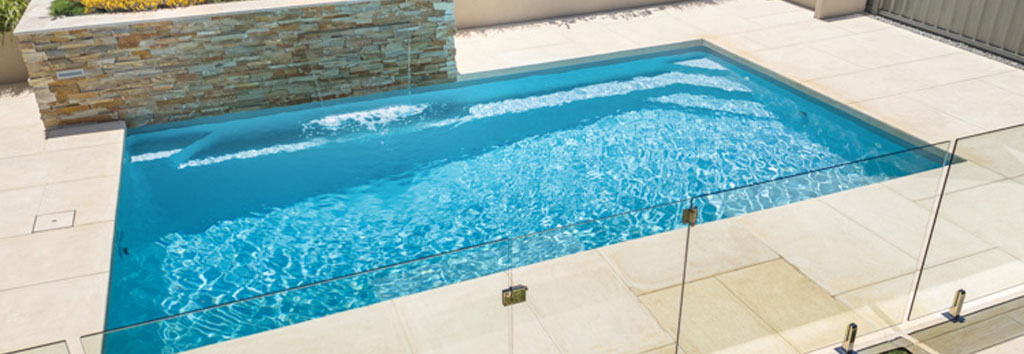
  • How It Works: Provide materials like small cups, plastic straws, and craft foam. Encourage kids to build a small “boat” using a cut-up pool noodle as the base. Place them in the pool and watch how they float or tip based on the design.
  • The Science: This activity lets kids test out concepts like weight distribution and balance, showing how heavier materials need more buoyant support to stay afloat.

  • Challenge It: Add small weights or objects to the boats to see how much they can carry before tipping over.

9. Splash-Proof Bubble Experiment

Make bubbles in the pool! This experiment is perfect for a sunny day when you want to show kids how bubbles behave differently in water versus the air.

  • How It Works: Submerge a straw underwater, blow a bubble, and watch how it floats up and eventually pops when it hits the surface.
  • The Science: This is a fun introduction to surface tension. Bubbles pop when they reach the water’s surface because the thin film of the bubble can’t hold together outside of the water.
  • Adding Layers: Try creating a bubble within a bubble and observe how it behaves underwater for added curiosity!

10. Hydrodynamics and Speed Challenge

This experiment teaches kids about resistance and hydrodynamics. Challenge them to “race” using different swimming methods or equipment to see which creates the least resistance.

  • How It Works: Have the kids swim the length of the pool in different ways (freestyle, breaststroke, etc.) or try using kickboards and fins to see which is faster.
  • The Science: This is a hands-on way to understand hydrodynamics and how body shape, movement, and water resistance affect speed.
  • Time It: Keep track of each method’s speed and let the kids try different techniques to see what works best.

With these pool-friendly experiments, you can easily turn your backyard pool into an interactive learning lab. Kids will be having so much fun; they won’t even realise they’re picking up valuable science knowledge along the way! We’re dedicated to helping families make the most of their pools, creating fun memories with safe, high-quality pool options designed for relaxation and enjoyment.
Imagine stepping outside to a peaceful sanctuary where you can escape from daily stress and connect with nature—right by your pool. Turning your poolside into a meditation oasis can transform your backyard into a serene haven for relaxation, mindfulness, and self-care. At The Fibreglass Pool Company, we know that a pool is more than a place to swim; it can be the centrepiece of a calming retreat where you can unwind and recharge. Here are some tips to help you create the ultimate meditation oasis by your poolside.

how-to-create-a-meditation-oasis-by-your-poolside-banner
how-to-create-a-meditation-oasis-by-your-poolside-banner-m

1. Choose the Right Location for Meditation

When setting up a meditation area, find a location close to your pool that offers tranquillity and privacy. Look for a spot that’s away from busy areas in your backyard, sheltered from direct sunlight but still close to the calming effect of the water.

  • Designate a Meditation Zone: This can be as simple as a shaded corner by the pool or an elevated deck with a clear view of the water.
  • Create Privacy with Plants: Add potted plants or a trellis with climbing vines to create a natural, tranquil barrier between your meditation space and the rest of the yard.

2. Embrace Calming Colours and Decor

Colours play an essential role in creating a soothing environment. Soft, neutral tones like beige, cream, light grey, and gentle greens or blues can help you feel relaxed and balanced. Incorporate these colours through furniture, cushions, or outdoor decor.

  • Natural Elements: Opt for wooden furniture, stone accents, or bamboo mats to evoke a grounding, natural vibe.
  • Soothing Accessories: Scatter comfortable floor cushions or a cosy rug, and add an outdoor curtain or canopy for a touch of elegance and intimacy. These additions make your space feel intentionally designed for relaxation.
how-to-create-a-meditation-oasis-by-your-poolside-blogimage1
how-to-create-a-meditation-oasis-by-your-poolside-blogimage1-m

3. Integrate Water Features for Sound Therapy

One of the best features of having a pool is the potential for natural sound therapy. The gentle sound of water flowing can be incredibly soothing and helps drown out external noise, allowing you to focus during meditation.

  • Add a Fountain or Waterfall: Incorporate a small fountain or waterfall feature into your pool to create a continuous, calming flow of water.
  • Floating Candles or Flower Petals: During evening meditation, placing floating candles or petals in the pool can enhance the calming ambiance while reflecting soft light off the water’s surface.

4. Lighting for a Calm Atmosphere

Lighting is key to setting a meditative mood, especially for early morning or evening sessions. Soft, ambient lighting around your meditation area can create a cosy glow that encourages relaxation.

  • Pathway Lights: Use soft pathway lights leading to your meditation zone. Solar-powered lights are a great, energy-efficient option.
  • String Lights or Lanterns: Hang string lights or place lanterns around the poolside for a warm and welcoming effect.
  • LED Pool Lights: Set your pool lights to a tranquil colour, like blue or purple, to enhance the sense of calm.

5. Include Greenery for Natural Serenity

Plants have a unique way of bringing nature closer to us, which is perfect for a meditation space. Adding a mix of potted plants and garden beds around your pool and meditation area can enhance the sense of seclusion and tranquillity.

  • Low-Maintenance Plants: Look for plants that thrive in your local climate and require minimal upkeep, such as succulents, lavender, or palms.
  • Aromatherapy with Herbs: Incorporate fragrant herbs like rosemary, basil, or jasmine around your meditation space. Their calming aromas can support relaxation and focus during your sessions.
how-to-create-a-meditation-oasis-by-your-poolside-blogimage2
how-to-create-a-meditation-oasis-by-your-poolside-blogimage2-m

6. Incorporate Mindfulness Tools

Enhance your meditation space with a few tools that can help deepen your practice. These items don’t need to be elaborate, but a few thoughtful additions can make your poolside oasis feel more inviting.

  • Meditation Cushions and Mats: A comfortable cushion or mat can make a big difference during meditation. Look for water-resistant options that can handle outdoor use.
  • Wind Chimes: Add gentle wind chimes that can provide occasional soft tones, creating a harmonious background sound.
  • Outdoor Bluetooth Speaker: Play calming nature sounds, ambient music, or guided meditations through a waterproof speaker to help you stay focused and relaxed.

7. Create a Ritual for Your Meditation Oasis

Finally, having a simple ritual can help make your meditation time feel special and become a cherished part of your day. It can be as simple as lighting a candle, taking a deep breath, or setting an intention before each session.

  • Start with Deep Breathing: Begin each meditation by taking a few deep breaths to centre yourself and connect with the serene environment around you.
  • Practice Gratitude: Before ending your session, take a moment to appreciate the peace and beauty of your meditation space. Reflect on the positive impact it has on your day-to-day life.

With some thoughtful planning, you can create a poolside meditation oasis that offers you peace, clarity, and a refreshing escape from the hustle and bustle of daily life. The soothing presence of water, natural surroundings, and the intentional design of your space can make all the difference in your meditation experience.

As the sun blazes and the temperatures rise, there's nothing quite like lounging by the pool with a refreshing drink in hand. However, the key to making the most of your poolside experience lies not just in the water, but also in the comfort of your seating. At The Fibreglass Pool Company, we understand that choosing the right loungers can enhance your relaxation and enjoyment. After all, a perfect pool day is all about unwinding in style and comfort. Here’s a comprehensive guide to help you select the ideal pool loungers for your ultimate chill-out zone!

choosing-the-right-seat-for-the-ultimate-chill-banner
choosing-the-right-seat-for-the-ultimate-chill-banner-m

1. Consider the Material

The material of your pool loungers significantly impacts comfort, durability, and maintenance. Here are some popular options:

  • Textilene Fabric: This breathable material is perfect for poolside seating. It’s easy to clean, dries quickly, and resists fading and mildew, making it an excellent choice for outdoor use. Textilene loungers also provide great support, keeping you comfortable whether you’re sunbathing or reading a book.
  • Aluminium Frames: Lightweight and rust-resistant, aluminium loungers are easy to move around and withstand the elements without compromising style. They often come in sleek designs, adding a modern touch to your pool area.
  • Wooden Loungers: If you’re looking for a natural, rustic feel, wooden loungers can add warmth and character. Opt for teak or eucalyptus for their durability against moisture and UV rays. Wooden loungers often require a bit more maintenance, but their aesthetic appeal can be worth it.
  • Plastic or Resin: Affordable and lightweight, plastic loungers come in various styles and colours. They’re easy to clean and resistant to fading, making them ideal for poolside use. Look for high-quality resin loungers that mimic the look of more expensive materials without the hefty price tag.

2. Prioritise Comfort

When it comes to lounging, comfort is key. Look for loungers that offer adjustable reclining positions, allowing you to find the perfect angle for soaking up the sun or taking a nap. Some loungers come with padded cushions for extra comfort; make sure to choose weather-resistant fabric to prolong their life.

  • Ergonomic Designs: Consider loungers with ergonomic shapes that provide support to your back and neck. Models that contour to the body can help you relax for hours without discomfort.
  • Padded Cushions: If you love sinking into a plush seat, choose loungers with thick padding or memory foam. These loungers often have removable covers for easy cleaning.

3. Size Matters

Before purchasing pool loungers, measure your available space to ensure a good fit. Consider the layout of your pool area and how many loungers you want to accommodate.

  • Compact Loungers: If space is limited, opt for smaller, stackable loungers that can be easily stored when not in use. These loungers are ideal for urban settings where space is at a premium.
  • Spacious Loungers: If you have plenty of room, larger loungers or daybeds can create a luxurious poolside oasis, perfect for lounging with a friend or enjoying a book. Daybeds often provide ample space for two, making them ideal for couples or families.
choosing-the-right-seat-for-the-ultimate-chill-logimage2
choosing-the-right-seat-for-the-ultimate-chill-blogimage2-m

4. Look for Style and Design

Your loungers should complement the overall aesthetic of your backyard and pool area. From modern minimalist styles to classic designs, there are countless options to match your personal taste.

  • Colour Choices: Choose colours that harmonise with your pool’s tile and your outdoor decor. Bright colours can add a fun pop, while neutrals offer a more sophisticated look. Don’t hesitate to mix and match colours for a playful vibe.
  • Unique Shapes: Consider loungers with unique shapes or built-in features, such as cup holders or side tables, to enhance your relaxation experience. A lounge chair that reclines with a side table can be perfect for setting down a drink or snack.

5. Add Shade Options

To make your lounging experience even more enjoyable, consider loungers with built-in shade features. Umbrella attachments or loungers with adjustable canopies can protect you from the sun while you relax.

  • Integrated Canopies: Some loungers come with adjustable canopies that provide shade when you need it and can be retracted when you want to bask in the sun. This flexibility allows you to tailor your experience based on the time of day and your personal preferences.

Pro Tip: If your loungers don’t have built-in shade, think about placing them under a patio cover or using portable umbrellas for added sun protection.

6. Easy Maintenance

Choose loungers that are easy to maintain, especially when they’re frequently exposed to water, sun, and chlorine. Look for materials that resist mould, mildew, and fading to ensure longevity.

  • Removable Cushions: If you opt for cushioned loungers, consider those with removable, washable covers for easy cleaning. This feature allows you to keep your loungers looking fresh and new throughout the summer.
  • Simple Cleaning: Lightweight materials that can be easily wiped down or hosed off will make your life easier when it comes to maintenance. Look for loungers with smooth surfaces that don’t trap dirt and grime.
choosing-the-right-seat-for-the-ultimate-chill-blogimage1
choosing-the-right-seat-for-the-ultimate-chill-blogimage1-m

7. Accessories for Comfort

Once you’ve chosen the perfect loungers, don’t forget to accessorise! Throw pillows, blankets, and outdoor rugs can add comfort and style to your poolside seating.

  • Throw Pillows: Add a pop of colour and extra comfort with outdoor pillows that are weather-resistant and easy to clean. Mixing patterns and textures can create an inviting and cosy atmosphere.
  • Side Tables: Consider placing small side tables next to your loungers to hold drinks, snacks, or books, making it easy to enjoy your time poolside without getting up. Look for tables with built-in storage for added functionality.

8. Consider Storage Options

When it comes to pool loungers, storage is often overlooked. However, having a designated space to store your loungers can help keep your pool area organised and clutter-free.

  • Storage Solutions: Look for loungers that are stackable or foldable, making them easy to store during the off-season or when not in use. Some loungers even come with built-in storage compartments, adding convenience.

9. Personalise Your Space

Finally, make your poolside area truly yours. Consider adding personal touches that reflect your style and make lounging more enjoyable.

  • Outdoor Lighting: String lights, lanterns, or LED fixtures can add ambiance to your pool area, allowing you to enjoy evenings by the water.
  • Artwork and Decor: Incorporate outdoor artwork or decorative elements to enhance your poolside aesthetic. This can include sculptures, planters, or even a stylish outdoor rug.

Choosing the right pool loungers is essential for creating the ultimate chill-out zone in your backyard. By considering materials, comfort, size, style, and maintenance, you can select loungers that enhance your pool experience and help you relax in style.

As the temperatures rise and the days get longer, it’s time to revamp your wardrobe for the swim season! Whether you’re planning a relaxing day lounging by the pool or gearing up for an exciting pool party, looking fabulous while enjoying the sun is essential. At The Fibreglass Pool Company, we believe that poolside style should be as fun and refreshing as a dip in the water. Here’s your ultimate guide to the latest swimwear trends and stylish accessories that will have you turning heads by the pool this summer!

swim-season-fasion-the-ultimate-guide-to-poolside-style-banner
swim-season-fasion-the-ultimate-guide-to-poolside-style-banner-m

1. The Latest Swimwear Trends

Bold Prints and Vibrant Colours

This season, bold prints and vibrant colours are making waves! From tropical florals to geometric patterns, eye-catching designs are perfect for making a statement. Look for swimsuits in bright hues like coral, turquoise, and sunny yellow to reflect the joyful spirit of summer. Mix and match your bikini tops and bottoms for a personalised touch, or opt for a one-piece with a striking pattern that showcases your personality.

Sustainable Swimwear

With a growing emphasis on eco-conscious living, sustainable swimwear is a trend that’s here to stay. Brands are now offering stylish swimsuits made from recycled materials, such as ocean plastic and recycled nylon. Not only will you look great, but you’ll also feel good about your purchase. Seek out pieces that combine fashion and sustainability, and embrace the trend of environmentally friendly swimwear.

High-Waisted Styles

High-waisted bikini bottoms are making a comeback, offering both style and comfort. They provide a flattering silhouette while allowing for easy movement and sunbathing. Pair them with a matching bikini top or a trendy crop top for a chic poolside look. This style is perfect for those who want to feel confident and comfortable while lounging by the water.

Cut-Outs and Asymmetrical Designs

For those looking to add a touch of edginess to their swimwear collection, cut-out swimsuits and asymmetrical designs are the way to go. These styles create visual interest and add a modern twist to traditional swimwear. A one-piece with a daring cut-out or a bikini with an asymmetrical top will have you standing out at any pool gathering.

swim-season-fasion-the-ultimate-guide-to-poolside-style-blogimage1
swim-season-fasion-the-ultimate-guide-to-poolside-style-blogimage1-m

2. Stylish Accessories

Chic Cover-Ups

Cover-ups are essential for transitioning from the pool to the patio. Lightweight kaftans, flowy maxi dresses, or stylish sarongs can elevate your poolside look while providing sun protection. Opt for vibrant prints or solid colours that complement your swimwear. A well-chosen cover-up not only adds style but also ensures you’re ready for a quick lunch or a stroll around the pool area.

Statement Sunglasses

A stylish pair of sunglasses is a must-have accessory for any pool day. Look for oversized frames or retro styles that provide ample sun protection while making a bold statement. Sunglasses not only shield your eyes from harmful UV rays but also enhance your overall look. Choose a pair that complements your face shape and reflects your personal style—classic black, funky patterns, or vibrant colours are all great options!

Trendy Hats

Protect yourself from the sun in style with a trendy wide-brimmed hat. Not only does it provide shade, but it also adds a touch of glamour to your poolside ensemble. Look for hats made from lightweight materials that are easy to pack for your summer getaways. Whether you prefer a floppy hat, a fedora, or a stylish straw hat, this accessory will elevate your poolside fashion game.

Poolside Footwear

When it comes to footwear, comfort meets style at the pool! Slide sandals, espadrilles, or stylish flip-flops are perfect for easy on-and-off as you move between the pool and lounging areas. Look for options with fun prints or embellishments to express your personality. Remember, you want to keep it stylish yet practical for those quick trips to the snack bar!

swim-season-fasion-the-ultimate-guide-to-poolside-style-blogimage2
swim-season-fasion-the-ultimate-guide-to-poolside-style-blogimage2-m

3. Swimwear Care Tips

To keep your swimwear looking fresh all season long, consider these care tips:

  • Rinse After Use: Always rinse your swimwear with fresh water after swimming. This helps remove chlorine, salt, and sunscreen residue that can damage the fabric.
  • Dry Flat: Avoid wringing out your swimwear; instead, lay it flat to dry in the shade. Hanging it in direct sunlight can cause fading and damage.
  • Store Properly: When not in use, store your swimwear in a cool, dry place away from direct sunlight to maintain its elasticity and colour.

Swim season is the perfect time to express your style and enjoy the sun by the pool. With the latest swimwear trends and stylish accessories, you can create a poolside look that’s both chic and comfortable. Whether you prefer bold prints, sustainable choices, or eye-catching accessories, there’s something for everyone this summer.

As the sun shines bright and the temperatures rise, there's nothing quite like sipping a delicious cocktail by the pool. At The Fibreglass Pool Company, we believe that your poolside experience should be as refreshing and vibrant as the Australian summer. What better way to enhance your pool days than with cocktails that showcase the unique and bold flavours of Australia? Here’s a selection of the best poolside cocktails inspired by Aussie ingredients that are sure to keep you cool and happy all summer long!

the-best-poolside-cocktails-inspied-by-aussie-flavours-banner-

1. Tropical Sunset Spritz

Start your pool day with a vibrant cocktail that captures the essence of the tropics.

Ingredients:

  • Sparkling wine or soda water
  • Fresh orange juice
  • A splash of passionfruit syrup
  • Fresh mint leaves for garnish

Description: This delightful drink combines the sweetness of fresh orange juice with a hint of passionfruit, topped with sparkling wine for that fizzy finish. Garnish with mint leaves for a refreshing aroma that pairs perfectly with sunny skies.

2. Aussie Lemonade

A classic twist on a beloved favourite, this Aussie Lemonade will keep you refreshed during those hot summer days.
Ingredients:

  • 1 cup of fresh lemon juice
  • 1/2 cup of honey or sugar
  • 4 cups of chilled soda water
  • Lemon slices and sprigs of rosemary for garnish.

Description: This light and zesty drink is perfect for those who love a tangy flavour. The combination of fresh lemon juice and a touch of sweetness from honey or sugar will leave you feeling revitalised. Garnish with rosemary and lemon slices for a visually appealing touch.

3. Bush Tucker Mojito

Put a unique spin on the classic mojito by incorporating native Australian flavours.

Ingredients:

  • 2 oz white rum
  • Fresh lime juice
  • Lemon myrtle leaves or mint
  • 1 oz simple syrup
  • Soda water
  • Lime wedges for garnish

Description: This refreshing cocktail uses lemon myrtle, a native Australian plant, to add a citrusy twist to the classic mojito. The fresh lime juice and rum make for a perfect blend, and the soda water gives it that delightful fizz, making it ideal for lounging by the pool.

the-best-poolside-cocktails-inspied-by-aussie-flavours-blgimage1

4. Chilled Pineapple and Coconut Daiquiri

Transport yourself to a tropical paradise with this fruity cocktail that captures the flavours of the Australian summer.

Ingredients:

  • 2 oz white rum
  • 1 oz coconut cream
  • 2 oz fresh pineapple juice
  • Pineapple wedge for garnish

Description: This frozen cocktail combines the sweetness of pineapple and creaminess of coconut for a smooth, refreshing drink. Blend all ingredients with ice for a frosty treat that’s perfect for sipping as you soak up the sun.

5. Native Berry Fizz

Celebrate Australia’s native fruits with a cocktail that’s bursting with flavour.

Ingredients:

  • 2 oz gin
  • 1 oz fresh lemon juice
  • 1 oz blueberry syrup or muddled blueberries
  • Soda water
  • Fresh berries for garnish

Description: This refreshing drink features the delightful tartness of native berries, enhanced by the crispness of gin and soda. The fizzy finish makes it a bubbly delight that’s sure to impress your guests!

the-best-poolside-cocktails-inspied-by-aussie-flavours-blogimage2

6. Aussie Espresso Martini

For those who love a pick-me-up while lounging by the pool, this cocktail is perfect!

Ingredients:

  • 2 oz vodka
  • 1 oz fresh espresso
  • 1 oz coffee liqueur
  • Coffee beans for garnish

Description: This sophisticated cocktail combines rich espresso with vodka and coffee liqueur, creating a delightful mix of flavours that’s both energising and refreshing. It’s the perfect way to add a bit of sophistication to your poolside gathering!

7. Mango and Ginger Cooler

Embrace the tropical vibes of Australia with this zesty, fruity cocktail.

Ingredients:

  • 2 oz vodka or gin
  • 2 oz fresh mango puree
  • 1 oz ginger beer
  • Lime wedges for garnish

Description: The sweetness of fresh mango combined with the zing of ginger beer makes this cocktail a refreshing treat on a hot day. Serve it over ice and garnish with lime wedges for a splash of colour and flavour.

As the sun shines bright and the temperatures rise, there's nothing quite like sipping a delicious cocktail by the pool. At The Fibreglass Pool Company, we believe that your poolside experience should be as refreshing and vibrant as the Australian summer. What better way to enhance your pool days than with cocktails that showcase the unique and bold flavours of Australia? Here’s a selection of the best poolside cocktails inspired by Aussie ingredients that are sure to keep you cool and happy all summer long!

the-best-poolside-cocktails-inspied-by-aussie-flavours-banner-m

1. Tropical Sunset Spritz

Start your pool day with a vibrant cocktail that captures the essence of the tropics.

Ingredients:

  • Sparkling wine or soda water
  • Fresh orange juice
  • A splash of passionfruit syrup
  • Fresh mint leaves for garnish

Description: This delightful drink combines the sweetness of fresh orange juice with a hint of passionfruit, topped with sparkling wine for that fizzy finish. Garnish with mint leaves for a refreshing aroma that pairs perfectly with sunny skies.

2. Aussie Lemonade

A classic twist on a beloved favourite, this Aussie Lemonade will keep you refreshed during those hot summer days.
Ingredients:

  • 1 cup of fresh lemon juice
  • 1/2 cup of honey or sugar
  • 4 cups of chilled soda water
  • Lemon slices and sprigs of rosemary for garnish.

Description: This light and zesty drink is perfect for those who love a tangy flavour. The combination of fresh lemon juice and a touch of sweetness from honey or sugar will leave you feeling revitalised. Garnish with rosemary and lemon slices for a visually appealing touch.

3. Bush Tucker Mojito

Put a unique spin on the classic mojito by incorporating native Australian flavours.

Ingredients:

  • 2 oz white rum
  • Fresh lime juice
  • Lemon myrtle leaves or mint
  • 1 oz simple syrup
  • Soda water
  • Lime wedges for garnish

Description: This refreshing cocktail uses lemon myrtle, a native Australian plant, to add a citrusy twist to the classic mojito. The fresh lime juice and rum make for a perfect blend, and the soda water gives it that delightful fizz, making it ideal for lounging by the pool.

the-best-poolside-cocktails-inspied-by-aussie-flavours-blogimage1-m

4. Chilled Pineapple and Coconut Daiquiri

Transport yourself to a tropical paradise with this fruity cocktail that captures the flavours of the Australian summer.

Ingredients:

  • 2 oz white rum
  • 1 oz coconut cream
  • 2 oz fresh pineapple juice
  • Pineapple wedge for garnish

Description: This frozen cocktail combines the sweetness of pineapple and creaminess of coconut for a smooth, refreshing drink. Blend all ingredients with ice for a frosty treat that’s perfect for sipping as you soak up the sun.

5. Native Berry Fizz

Celebrate Australia’s native fruits with a cocktail that’s bursting with flavour.

Ingredients:

  • 2 oz gin
  • 1 oz fresh lemon juice
  • 1 oz blueberry syrup or muddled blueberries
  • Soda water
  • Fresh berries for garnish

Description: This refreshing drink features the delightful tartness of native berries, enhanced by the crispness of gin and soda. The fizzy finish makes it a bubbly delight that’s sure to impress your guests!

the-best-poolside-cocktails-inspied-by-aussie-flavours-blogimage2-m

6. Aussie Espresso Martini

For those who love a pick-me-up while lounging by the pool, this cocktail is perfect!

Ingredients:

  • 2 oz vodka
  • 1 oz fresh espresso
  • 1 oz coffee liqueur
  • Coffee beans for garnish

Description: This sophisticated cocktail combines rich espresso with vodka and coffee liqueur, creating a delightful mix of flavours that’s both energising and refreshing. It’s the perfect way to add a bit of sophistication to your poolside gathering!

7. Mango and Ginger Cooler

Embrace the tropical vibes of Australia with this zesty, fruity cocktail.

Ingredients:

  • 2 oz vodka or gin
  • 2 oz fresh mango puree
  • 1 oz ginger beer
  • Lime wedges for garnish

Description: The sweetness of fresh mango combined with the zing of ginger beer makes this cocktail a refreshing treat on a hot day. Serve it over ice and garnish with lime wedges for a splash of colour and flavour.

As we welcome 2025, many pool owners are eager to ensure their pools remain pristine throughout the year. A crystal-clear pool not only enhances the beauty of your backyard but also provides a safe and inviting environment for family and friends. At The Fibreglass Pool Company, we believe that maintaining clear water is essential for enjoyable swims and overall pool health. Here are some practical tips to help you achieve sparkling, clean water all year round:

new-year-clear-water-how-to-keep-your-pool-crystal-clear-in-2025-banner

1. Regular Water Testing

Testing your pool water regularly is crucial for maintaining chemical balance. Use a reliable testing kit to check the pH, chlorine levels, and alkalinity at least once a week. This will help you identify any imbalances and make necessary adjustments, ensuring your water remains safe for swimming. Consider keeping a log of your test results to track changes and patterns over time.

2. Consistent Filtration

Ensure your pool’s filtration system runs efficiently. Aim to filter your pool water for at least 8-12 hours a day, especially during peak usage times. Clean or replace your filter cartridges regularly to prevent clogging and maintain optimal water clarity. Additionally, inspect your pump for any signs of wear or malfunction to avoid unexpected issues.

3. Skim and Brush Frequently

Regularly skimming debris, leaves, and insects from the surface of your pool keeps your water clear and prevents buildup on the pool floor. Brushing the walls and floor of your pool helps remove dirt and algae, keeping surfaces smooth and inviting. For best results, create a cleaning schedule that includes both skimming and brushing to ensure consistency.

4. Shock the Pool

Shocking your pool once a month, or after heavy usage, helps eliminate contaminants and restore water clarity. Use a quality pool shock product to quickly raise chlorine levels, effectively killing bacteria and algae that can cloud your water. Be sure to follow the manufacturer’s instructions and allow the pool to circulate before swimming.

new-year-clear-water-how-to-keep-your-pool-crystal-clear-in-2025-blogimage1

5. Maintain Water Levels

Keep an eye on your pool’s water level, especially after heavy rains or evaporation. Low water levels can disrupt your filtration system’s effectiveness. If needed, top up your pool to ensure optimal functioning. Monitoring water levels is particularly important during dry spells when evaporation rates can increase.

6. Invest in Pool Covers

Using a pool cover when your pool is not in use can help keep debris out and reduce the need for cleaning. This not only saves time but also helps maintain water temperature, which can be beneficial during cooler months. Choosing a cover that allows for easy access while still providing protection is essential for convenience.

7. Algae Prevention

Preventing algae growth is key to keeping your pool clear. Regularly use algaecide as a preventive measure and ensure your pool’s chlorine levels are consistently maintained. If you notice any algae forming, act quickly to treat it before it spreads. Keeping your pool’s water moving can also help deter algae growth, as stagnant water is more prone to algae blooms.

new-year-clear-water-how-to-keep-your-pool-crystal-clear-in-2025blogimage2

8. Keep Pool Surroundings Clean

The area around your pool plays a significant role in maintaining water clarity. Regularly sweep up leaves, dirt, and other debris from the deck to minimise what can fall into the pool. Encourage family and friends to follow your poolside rules regarding food and drinks to reduce waste around the water.

9. Monitor Pool Equipment

Take the time to inspect your pool equipment regularly, including the pump, filter, and skimmer. Ensuring everything is in good working condition will help maintain clarity and prevent larger issues down the line. Don’t hesitate to call a professional if you notice any unusual sounds or reduced efficiency.

10. Professional Maintenance

If maintaining your pool seems overwhelming, consider hiring professionals for routine maintenance. A pool service can help with water testing, chemical balancing, and equipment checks, ensuring your pool remains in top condition year-round. Investing in professional help can save you time and ensure your pool stays crystal clear.

By following these tips, you can enjoy a crystal-clear pool that enhances your outdoor space and provides endless enjoyment for you and your loved ones. We’re here to support you in your pool maintenance journey. Let’s make 2025 a year of clear water and fun in the sun!

As we welcome 2025, many pool owners are eager to ensure their pools remain pristine throughout the year. A crystal-clear pool not only enhances the beauty of your backyard but also provides a safe and inviting environment for family and friends. At The Fibreglass Pool Company, we believe that maintaining clear water is essential for enjoyable swims and overall pool health. Here are some practical tips to help you achieve sparkling, clean water all year round:

new-year-clear-water-how-to-keep-your-pool-crystal-clear-in-2025-banner-m

1. Regular Water Testing

Testing your pool water regularly is crucial for maintaining chemical balance. Use a reliable testing kit to check the pH, chlorine levels, and alkalinity at least once a week. This will help you identify any imbalances and make necessary adjustments, ensuring your water remains safe for swimming. Consider keeping a log of your test results to track changes and patterns over time.

2. Consistent Filtration

Ensure your pool’s filtration system runs efficiently. Aim to filter your pool water for at least 8-12 hours a day, especially during peak usage times. Clean or replace your filter cartridges regularly to prevent clogging and maintain optimal water clarity. Additionally, inspect your pump for any signs of wear or malfunction to avoid unexpected issues.

3. Skim and Brush Frequently

Regularly skimming debris, leaves, and insects from the surface of your pool keeps your water clear and prevents buildup on the pool floor. Brushing the walls and floor of your pool helps remove dirt and algae, keeping surfaces smooth and inviting. For best results, create a cleaning schedule that includes both skimming and brushing to ensure consistency.

new-year-clear-water-how-to-keep-your-pool-crystal-clear-in-2025blogimage1-m

4. Shock the Pool

Shocking your pool once a month, or after heavy usage, helps eliminate contaminants and restore water clarity. Use a quality pool shock product to quickly raise chlorine levels, effectively killing bacteria and algae that can cloud your water. Be sure to follow the manufacturer’s instructions and allow the pool to circulate before swimming.

5. Maintain Water Levels

Keep an eye on your pool’s water level, especially after heavy rains or evaporation. Low water levels can disrupt your filtration system’s effectiveness. If needed, top up your pool to ensure optimal functioning. Monitoring water levels is particularly important during dry spells when evaporation rates can increase.

6. Invest in Pool Covers

Using a pool cover when your pool is not in use can help keep debris out and reduce the need for cleaning. This not only saves time but also helps maintain water temperature, which can be beneficial during cooler months. Choosing a cover that allows for easy access while still providing protection is essential for convenience.

7. Algae Prevention

Preventing algae growth is key to keeping your pool clear. Regularly use algaecide as a preventive measure and ensure your pool’s chlorine levels are consistently maintained. If you notice any algae forming, act quickly to treat it before it spreads. Keeping your pool’s water moving can also help deter algae growth, as stagnant water is more prone to algae blooms.

new-year-clear-water-how-to-keep-your-pool-crystal-clear-in-2025-blogimage2-m

8. Keep Pool Surroundings Clean

The area around your pool plays a significant role in maintaining water clarity. Regularly sweep up leaves, dirt, and other debris from the deck to minimise what can fall into the pool. Encourage family and friends to follow your poolside rules regarding food and drinks to reduce waste around the water.

9. Monitor Pool Equipment

Take the time to inspect your pool equipment regularly, including the pump, filter, and skimmer. Ensuring everything is in good working condition will help maintain clarity and prevent larger issues down the line. Don’t hesitate to call a professional if you notice any unusual sounds or reduced efficiency.

10. Professional Maintenance

If maintaining your pool seems overwhelming, consider hiring professionals for routine maintenance. A pool service can help with water testing, chemical balancing, and equipment checks, ensuring your pool remains in top condition year-round. Investing in professional help can save you time and ensure your pool stays crystal clear.

By following these tips, you can enjoy a crystal-clear pool that enhances your outdoor space and provides endless enjoyment for you and your loved ones. We’re here to support you in your pool maintenance journey. Let’s make 2025 a year of clear water and fun in the sun!

The holiday season is the perfect time to transform your backyard into a sparkling wonderland, and there’s no better way to do this than with stunning pool lighting. At The Fibreglass Pool Company, we believe that well-designed lighting can elevate your pool area, creating an inviting atmosphere for evening swims and festive gatherings. Here are some ideas to illuminate your pool and make it the centrepiece of your holiday celebrations.

chrsitmas-pool-lighting-create-a-festive-glow-for-evening-swims-banner

1. Underwater LED Lights

Underwater LED lights not only enhance the beauty of your pool but also ensure safety during night time swims. Choose colours that match your holiday theme—warm whites for a cosy feel, or vibrant reds and greens for a more festive look. These lights can be programmed to change colours, allowing you to switch up the ambiance as the evening progresses.

2. Floating Lanterns and Lights

Add a magical touch with floating lanterns or lights. These can be placed in the pool or around its edges, casting a warm glow on the water’s surface. They create a serene atmosphere, perfect for relaxing evenings or festive gatherings. You can even make DIY floating lanterns using waterproof materials for a personal touch.

chrsitmas-pool-lighting-create-a-festive-glow-for-evening-swims-blogimage1

3. String Lights

String lights are a classic choice for creating a festive ambiance. Drape them along the pool fence, overhead structures, or around trees in your yard. Opt for warm white lights for a classic look, or go for multicoloured options to add a playful twist. String lights not only brighten up the space but also set a cheerful mood for your Christmas celebrations.

4. Spotlights and Pathway Lighting

Use spotlights to highlight key features in your pool area, such as waterfalls, plants, or decorative elements. Pair these with pathway lighting to illuminate walkways leading to your pool, ensuring guests can navigate safely while enhancing the overall aesthetic. Solar-powered lights are an eco-friendly option that requires minimal effort for setup.

christmas-pool-lighting-create-a-festive-glow-for-evening-swims-blogimage2

5. Chandeliers and Decorative Fixtures

For a touch of elegance, consider hanging chandeliers or decorative fixtures above your pool area. These can serve as a focal point and provide ambient lighting that complements your holiday decor. Choose fixtures that are weather-resistant to withstand the elements while adding a sophisticated flair to your outdoor space.

6. Personalised Light Displays

Take your lighting to the next level with personalised displays. Consider using programmable lights to create patterns, shapes, or even holiday messages that reflect your family’s spirit. This unique touch will not only impress your guests but also make your Christmas pool party unforgettable.

This holiday season, don’t let your pool area fall into darkness as the sun sets. With the right lighting, you can create a magical atmosphere for evening swims and festive gatherings. We’re here to help you bring your vision to life, ensuring your pool becomes the star of the show.

The holiday season is the perfect time to transform your backyard into a sparkling wonderland, and there’s no better way to do this than with stunning pool lighting. At The Fibreglass Pool Company, we believe that well-designed lighting can elevate your pool area, creating an inviting atmosphere for evening swims and festive gatherings. Here are some ideas to illuminate your pool and make it the centrepiece of your holiday celebrations.

christmas-pool-lighting-create-a-festive-glow-for-evening-swims-banner-m

1. Underwater LED Lights

Underwater LED lights not only enhance the beauty of your pool but also ensure safety during night time swims. Choose colours that match your holiday theme—warm whites for a cosy feel, or vibrant reds and greens for a more festive look. These lights can be programmed to change colours, allowing you to switch up the ambiance as the evening progresses.

2. Floating Lanterns and Lights

Add a magical touch with floating lanterns or lights. These can be placed in the pool or around its edges, casting a warm glow on the water’s surface. They create a serene atmosphere, perfect for relaxing evenings or festive gatherings. You can even make DIY floating lanterns using waterproof materials for a personal touch.

chrstmas-pool-light-create-a-festive-glow-for-evening-swims-blogimage1-m

3. String Lights

String lights are a classic choice for creating a festive ambiance. Drape them along the pool fence, overhead structures, or around trees in your yard. Opt for warm white lights for a classic look, or go for multicoloured options to add a playful twist. String lights not only brighten up the space but also set a cheerful mood for your Christmas celebrations.

4. Spotlights and Pathway Lighting

Use spotlights to highlight key features in your pool area, such as waterfalls, plants, or decorative elements. Pair these with pathway lighting to illuminate walkways leading to your pool, ensuring guests can navigate safely while enhancing the overall aesthetic. Solar-powered lights are an eco-friendly option that requires minimal effort for setup.

christmas-pool-lighting-create-a-festive-glow-for-evening-swims-blogimage2-m

5. Chandeliers and Decorative Fixtures

For a touch of elegance, consider hanging chandeliers or decorative fixtures above your pool area. These can serve as a focal point and provide ambient lighting that complements your holiday decor. Choose fixtures that are weather-resistant to withstand the elements while adding a sophisticated flair to your outdoor space.

6. Personalised Light Displays

Take your lighting to the next level with personalised displays. Consider using programmable lights to create patterns, shapes, or even holiday messages that reflect your family’s spirit. This unique touch will not only impress your guests but also make your Christmas pool party unforgettable.

This holiday season, don’t let your pool area fall into darkness as the sun sets. With the right lighting, you can create a magical atmosphere for evening swims and festive gatherings. We’re here to help you bring your vision to life, ensuring your pool becomes the star of the show.

There's nothing quite like lounging by a sparkling, crystal-clear pool on a sunny day. However, for many pool owners, this dream is often marred by the unwelcome appearance of algae. These sneaky invaders can transform your pristine oasis into a murky green swamp, causing frustration and extra work for homeowners. Algae growth in pools isn't just an eyesore; it can also lead to slippery surfaces, clog filters, and create unpleasant odours. In this blog post, we’ll explore a simple and effective solution to tackle poolside algae. Whether you're a new pool owner or someone who's battled algae for years, you'll find valuable tips and insights to keep your pool looking its best.

the-simple-solution-to-poolside-algae-banner

Understanding Algae

The Different Types of Algae

Algae come in various forms, but the most common types that plague pools are green, yellow, and black algae. Green algae are the most prevalent and easiest to get rid of, turning your pool water a vibrant green. Yellow algae, also known as mustard algae, cling to walls and can be more resistant to chlorine. Black algae, the toughest of all, form deep root structures that embed into pool surfaces, making them particularly stubborn.

Causes of Algae Growth

Understanding what causes algae to flourish in your pool is essential to prevent it. Algae thrive in warm, stagnant water with poor circulation and low chlorine levels. Factors such as heavy rainfall, inconsistent pool maintenance, and even swimmers introducing contaminants can contribute to algae growth. Knowing these factors helps in taking preventive measures.

The Impact of Algae

Algae not only make your pool unappealing but also pose safety risks. Slippery surfaces increase the risk of accidents, and clogged filters can reduce circulation, further exacerbating the problem. Additionally, algae can harbour harmful bacteria, posing health risks to swimmers. Addressing algae growth promptly ensures a safer and more enjoyable swimming experience.

The Simple Solution to Poolside Algae

Introducing the Algae Eliminator

The key to conquering poolside algae lies in a simple yet powerful solution: an algae eliminator. This product is designed to target and eliminate algae effectively, without causing harm to your pool’s surfaces or the environment. Unlike traditional methods that rely heavily on chlorine, algae eliminators work by disrupting the algae’s cellular structure, rendering it incapable of reproduction and growth.

Benefits of Using an Algae Eliminator

One of the main benefits of an algae eliminator is its ease of use. It requires minimal effort and provides long-lasting results. Additionally, algae eliminators are formulated to be safe for swimmers and the environment, giving you peace of mind. They also help in preventing future algae outbreaks, keeping your pool sparkling clean with less maintenance.

the-simple-solution-to-poolside-algae-blogimage1

How It Works

Algae eliminators work by releasing active ingredients that target algae cells directly. These ingredients penetrate the algae’s protective layers, disrupt its cellular functions, and ultimately cause its demise. The process is highly effective and works quickly, often showing visible results within a few days.

Step-by-Step Guide: Implementing the Solution

Step 1: Test and Balance Your Pool Water

Before using an algae eliminator, it’s crucial to test your pool water to ensure it’s properly balanced. Use a pool testing kit to check the pH, alkalinity, and chlorine levels. Adjust them as needed to create an optimal environment for the algae eliminator to work effectively.

Step 2: Clean and Brush Your Pool

Remove any visible debris from your pool and brush all surfaces thoroughly to loosen algae. This step ensures that the algae eliminator can reach all affected areas. Pay special attention to areas with poor circulation, such as corners and steps.

Step 3: Apply the Algae Eliminator

Follow the manufacturer’s instructions for the correct dosage and application method. Typically, you’ll need to pour the recommended amount directly into the pool while the pump is running to ensure even distribution. For severe algae infestations, a double dose may be required.

Step 4: Circulate and Filter

Run your pool pump continuously for at least 24 to 48 hours after applying the algae eliminator. This helps circulate the product throughout the pool and ensures it reaches all affected areas. Clean or backwash your filter regularly during this period to remove dead algae.

the-simple-solution-to-poolside-algae-blogimage2

Step 5: Monitor and Maintain

Keep an eye on your pool water and test it regularly to ensure the algae eliminator is working. You should start to see improvements within a few days. Continue with regular maintenance, including brushing and vacuuming, to prevent algae from returning.

Maintenance Tips

Regular Water Testing

Consistent water testing is key to maintaining a healthy pool. Test your water at least once a week, paying close attention to pH, alkalinity, and chlorine levels. Balanced water chemistry prevents algae growth and keeps your pool safe for swimming.

Proper Circulation

Ensure your pool pump and filtration system are running efficiently. Proper circulation is crucial for distributing chemicals evenly and preventing algae from settling in stagnant areas. Run your pump for at least 8 to 12 hours a day, especially during the summer months.

Routine Cleaning

Regular cleaning is essential for algae prevention. Skim the surface, vacuum the pool floor, and brush the walls at least once a week. This removes debris and prevents algae from finding a foothold. Don’t forget to clean your pool filter regularly to maintain optimal performance.

In conclusion, algae can be a persistent and frustrating problem for pool owners, but it doesn’t have to be. Understanding the types of algae and their causes, combined with the use of an effective algae eliminator, can transform your pool into the sparkling oasis you’ve always wanted.

With regular maintenance and the right tools, you can enjoy a clean, safe, and beautiful pool all year round. Remember to test your water regularly, maintain proper circulation, and keep up with routine cleaning to prevent algae from making a comeback.

We invite you to share your experiences and tips for keeping your pool algae-free. Let’s help each other create perfect poolside paradises!

There's nothing quite like lounging by a sparkling, crystal-clear pool on a sunny day. However, for many pool owners, this dream is often marred by the unwelcome appearance of algae. These sneaky invaders can transform your pristine oasis into a murky green swamp, causing frustration and extra work for homeowners. Algae growth in pools isn't just an eyesore; it can also lead to slippery surfaces, clog filters, and create unpleasant odours. In this blog post, we’ll explore a simple and effective solution to tackle poolside algae. Whether you're a new pool owner or someone who's battled algae for years, you'll find valuable tips and insights to keep your pool looking its best.

the-simple-solution-to-poolside-algae-banner-m

Understanding Algae

The Different Types of Algae

Algae come in various forms, but the most common types that plague pools are green, yellow, and black algae. Green algae are the most prevalent and easiest to get rid of, turning your pool water a vibrant green. Yellow algae, also known as mustard algae, cling to walls and can be more resistant to chlorine. Black algae, the toughest of all, form deep root structures that embed into pool surfaces, making them particularly stubborn.

Causes of Algae Growth

Understanding what causes algae to flourish in your pool is essential to prevent it. Algae thrive in warm, stagnant water with poor circulation and low chlorine levels. Factors such as heavy rainfall, inconsistent pool maintenance, and even swimmers introducing contaminants can contribute to algae growth. Knowing these factors helps in taking preventive measures.

The Impact of Algae

Algae not only make your pool unappealing but also pose safety risks. Slippery surfaces increase the risk of accidents, and clogged filters can reduce circulation, further exacerbating the problem. Additionally, algae can harbour harmful bacteria, posing health risks to swimmers. Addressing algae growth promptly ensures a safer and more enjoyable swimming experience.

The Simple Solution to Poolside Algae

Introducing the Algae Eliminator

The key to conquering poolside algae lies in a simple yet powerful solution: an algae eliminator. This product is designed to target and eliminate algae effectively, without causing harm to your pool’s surfaces or the environment. Unlike traditional methods that rely heavily on chlorine, algae eliminators work by disrupting the algae’s cellular structure, rendering it incapable of reproduction and growth.

Benefits of Using an Algae Eliminator

One of the main benefits of an algae eliminator is its ease of use. It requires minimal effort and provides long-lasting results. Additionally, algae eliminators are formulated to be safe for swimmers and the environment, giving you peace of mind. They also help in preventing future algae outbreaks, keeping your pool sparkling clean with less maintenance.

the-simple-solution-to-poolside-algae-blogimage1-m

How It Works

Algae eliminators work by releasing active ingredients that target algae cells directly. These ingredients penetrate the algae’s protective layers, disrupt its cellular functions, and ultimately cause its demise. The process is highly effective and works quickly, often showing visible results within a few days.

Step-by-Step Guide: Implementing the Solution

Step 1: Test and Balance Your Pool Water

Before using an algae eliminator, it’s crucial to test your pool water to ensure it’s properly balanced. Use a pool testing kit to check the pH, alkalinity, and chlorine levels. Adjust them as needed to create an optimal environment for the algae eliminator to work effectively.

Step 2: Clean and Brush Your Pool

Remove any visible debris from your pool and brush all surfaces thoroughly to loosen algae. This step ensures that the algae eliminator can reach all affected areas. Pay special attention to areas with poor circulation, such as corners and steps.

Step 3: Apply the Algae Eliminator

Follow the manufacturer’s instructions for the correct dosage and application method. Typically, you’ll need to pour the recommended amount directly into the pool while the pump is running to ensure even distribution. For severe algae infestations, a double dose may be required.

Step 4: Circulate and Filter

Run your pool pump continuously for at least 24 to 48 hours after applying the algae eliminator. This helps circulate the product throughout the pool and ensures it reaches all affected areas. Clean or backwash your filter regularly during this period to remove dead algae.

the-simple-solution-to-poolside-algae-blogimage2-m

Step 5: Monitor and Maintain

Keep an eye on your pool water and test it regularly to ensure the algae eliminator is working. You should start to see improvements within a few days. Continue with regular maintenance, including brushing and vacuuming, to prevent algae from returning.

Maintenance Tips

Regular Water Testing

Consistent water testing is key to maintaining a healthy pool. Test your water at least once a week, paying close attention to pH, alkalinity, and chlorine levels. Balanced water chemistry prevents algae growth and keeps your pool safe for swimming.

Proper Circulation

Ensure your pool pump and filtration system are running efficiently. Proper circulation is crucial for distributing chemicals evenly and preventing algae from settling in stagnant areas. Run your pump for at least 8 to 12 hours a day, especially during the summer months.

Routine Cleaning

Regular cleaning is essential for algae prevention. Skim the surface, vacuum the pool floor, and brush the walls at least once a week. This removes debris and prevents algae from finding a foothold. Don’t forget to clean your pool filter regularly to maintain optimal performance.

In conclusion, algae can be a persistent and frustrating problem for pool owners, but it doesn’t have to be. Understanding the types of algae and their causes, combined with the use of an effective algae eliminator, can transform your pool into the sparkling oasis you’ve always wanted.

With regular maintenance and the right tools, you can enjoy a clean, safe, and beautiful pool all year round. Remember to test your water regularly, maintain proper circulation, and keep up with routine cleaning to prevent algae from making a comeback.

We invite you to share your experiences and tips for keeping your pool algae-free. Let’s help each other create perfect poolside paradises!

tfpc-view-brochure-cta-m

In this comprehensive guide, we will take you through a step-by-step approach to poolside cleaning routines. By the end of this blog, you’ll be equipped with practical tips and techniques to keep your pool in immaculate condition all year round.

a-step-by-step-guide-to-poolside-cleaning-routines-banner

The Importance of Regular Poolside Maintenance

Step 1: Clearing Debris

The first step in effective pool maintenance is clearing debris. Leaves, twigs, insects, and other debris can quickly accumulate on the pool surface, leading to unsightly and unhygienic conditions. Regularly removing this debris is essential for maintaining water clarity and preventing filter clogs.

Essential Tools for Debris Removal

To efficiently clear debris, you’ll need the right tools. A good-quality net skimmer is indispensable for removing floating debris. Ensure the skimmer has a sturdy handle and a fine mesh net capable of capturing even small particles. Additionally, a reliable pool rake can help gather larger items from the pool’s bottom.

Techniques for Efficient Skimming

Skimming should be performed daily, especially during peak swimming season. Start by skimming the surface, moving methodically from one end of the pool to the other. Use smooth, sweeping motions to gather debris into the skimmer net. For hard-to-reach corners and edges, use the net skimmer to guide debris toward the centre of the pool before collecting it.

Removing Settled Debris

Settled debris on the pool floor requires more effort. Use a pool rake or a vacuum cleaner designed for pools to collect these particles. Regularly empty the collected debris to maintain your cleaning tools’ efficiency.

Step 2: Skimming and Scrubbing

Maintaining a clear water surface and spotless pool walls is essential for aesthetics and hygiene. Regular skimming and scrubbing prevent algae build-up and keep your pool inviting.

Daily Skimming Routine

Daily skimming is a quick task that makes a big impact. Start each day by skimming the pool’s surface to remove debris. This 10-15 minute routine prevents larger issues and reduces the need for extensive cleaning.

Weekly Scrubbing Schedule

Scrubbing the pool walls and floor is a crucial weekly task. Use a pool brush with nylon or stainless steel bristles, depending on your pool’s surface. Start from the top and work down, applying firm pressure to dislodge algae or dirt. Pay extra attention to areas with poor water circulation, as these are prone to algae growth.

Addressing Stains and Algae

For stubborn stains and algae patches, a specialised pool cleaner or algaecide may be necessary. Apply the cleaner directly to the area and scrub thoroughly. Regularly check and treat these spots to maintain a clean and healthy pool.

a-step-by-step-guide-to-poolside-cleaning-routines-blogimage1

Step 3: Filter Maintenance

Your pool’s filter system is essential for maintaining water quality by removing contaminants and particles. Regular filter maintenance keeps your pool clean and safe for swimming.

Types of Pool Filters

There are three main types of pool filters: sand, cartridge, and diatomaceous earth (DE). Each type requires specific upkeep. Sand filters need backwashing, cartridge filters require periodic cleaning or replacement, and DE filters need cleaning and recharging with fresh DE powder.

Weekly Filter Checks

Inspect your filter system every week. Look for damage or wear and tear. Clean or backwash the filter as recommended by the manufacturer. Regular maintenance helps prevent clogs and maintains filtration efficiency.

Deep Cleaning the Filter

Once a month, perform a deep cleaning of your filter system. Remove the filter and clean it thoroughly with a hose or cleaning solution. For cartridge filters, soak them in a filter cleaner to remove oils and debris. Reassemble the filter system and ensure it’s working correctly.

Step 4: Checking and Adjusting Chemical Levels

Maintaining balanced chemical levels is essential for pool safety and water clarity. Proper pool chemistry prevents harmful bacteria and algae growth, ensuring a safe swimming environment.

Understanding Pool Chemicals

The main chemicals used in pool maintenance are chlorine, pH balancers, alkalinity adjusters, and stabilisers. Chlorine kills bacteria and sanitises the water, while pH balancers maintain the correct acidity. Alkalinity adjusters prevent pH swings, and stabilisers protect chlorine from UV breakdown.

Testing Chemical Levels

Test your pool water regularly with a reliable test kit. Check chlorine, pH, and alkalinity at least twice a week. Ideal pH is between 7.2 and 7.6, and chlorine should be 1-3 ppm (parts per million). Adjust as needed to maintain balance.

Adding Chemicals Safely

When adding chemicals, follow manufacturer instructions carefully. Always add chemicals to water, not water to chemicals, to prevent reactions. Distribute chemicals evenly around the pool and let the water circulate for several hours before retesting.

Step 5: Vacuuming

Vacuuming the pool floor is essential for maintaining a clean and inviting pool. This process removes debris and contaminants from the bottom, ensuring a sparkling clean pool.

a-step-by-step-guide-to-poolside-cleaning-routines-blogimage2
Choosing the Right Vacuum

There are three types of pool vacuums: manual, automatic, and robotic. Manual vacuums require your guidance, automatic vacuums move independently, and robotic vacuums offer the most convenience and efficiency but are more expensive.

Weekly Vacuuming Routine

Vacuum the pool floor at least once a week. Attach the vacuum to the pool’s filtration system and submerge it fully. Move the vacuum slowly across the pool floor, overlapping each pass for thorough cleaning. Focus on areas with visible debris or dirt.

Deep Cleaning with a Robotic Vacuum

Robotic vacuums are ideal for deep cleaning the pool floor, walls, and waterline. Schedule your robotic vacuum to run once or twice a week, depending on your pool’s usage and debris levels.

Step 6: Final Tips for Year-Round Pool Maintenance

Maintaining your pool throughout the year involves more than just regular cleaning. Implementing a few additional practices will ensure your pool remains in top condition, regardless of the season.

Seasonal Maintenance

Each season brings unique challenges for pool maintenance. In spring, remove any winter covers and clean the pool thoroughly. Summer requires more frequent cleaning and chemical adjustments due to increased usage. In autumn, focus on removing fallen leaves and preparing the pool for winter. Winterisation involves covering the pool and adding winterising chemicals to prevent algae growth.

Preventative Measures

Preventative measures can save you time and effort in the long run. Install a pool cover to keep debris out when the pool is not in use. Regularly trim nearby trees and bushes to minimise leaf and debris accumulation. Maintain proper water circulation and filtration to prevent stagnant water and algae growth.

Professional Pool Services

Consider hiring a professional pool service for periodic inspections and maintenance. Professionals can identify and address potential issues before they become major problems. Regular inspections ensure your pool equipment is functioning correctly and prolong its lifespan.

The Rewards of a Well-Maintained Pool

Investing time and effort into maintaining your pool will yield lasting rewards, allowing you to fully enjoy the benefits of your backyard oasis. So, grab your cleaning tools, test your water, and dive into a routine that keeps your pool sparkling and inviting for years to come.

In this comprehensive guide, we will take you through a step-by-step approach to poolside cleaning routines. By the end of this blog, you’ll be equipped with practical tips and techniques to keep your pool in immaculate condition all year round.

a-step-by-step-guide-to-poolside-cleaning-routines-banner-m

The Importance of Regular Poolside Maintenance

Step 1: Clearing Debris

The first step in effective pool maintenance is clearing debris. Leaves, twigs, insects, and other debris can quickly accumulate on the pool surface, leading to unsightly and unhygienic conditions. Regularly removing this debris is essential for maintaining water clarity and preventing filter clogs.

Essential Tools for Debris Removal

To efficiently clear debris, you’ll need the right tools. A good-quality net skimmer is indispensable for removing floating debris. Ensure the skimmer has a sturdy handle and a fine mesh net capable of capturing even small particles. Additionally, a reliable pool rake can help gather larger items from the pool’s bottom.

Techniques for Efficient Skimming

Skimming should be performed daily, especially during peak swimming season. Start by skimming the surface, moving methodically from one end of the pool to the other. Use smooth, sweeping motions to gather debris into the skimmer net. For hard-to-reach corners and edges, use the net skimmer to guide debris toward the centre of the pool before collecting it.

Removing Settled Debris

Settled debris on the pool floor requires more effort. Use a pool rake or a vacuum cleaner designed for pools to collect these particles. Regularly empty the collected debris to maintain your cleaning tools’ efficiency.

Step 2: Skimming and Scrubbing

Maintaining a clear water surface and spotless pool walls is essential for aesthetics and hygiene. Regular skimming and scrubbing prevent algae build-up and keep your pool inviting.

Daily Skimming Routine

Daily skimming is a quick task that makes a big impact. Start each day by skimming the pool’s surface to remove debris. This 10-15 minute routine prevents larger issues and reduces the need for extensive cleaning.

Weekly Scrubbing Schedule

Scrubbing the pool walls and floor is a crucial weekly task. Use a pool brush with nylon or stainless steel bristles, depending on your pool’s surface. Start from the top and work down, applying firm pressure to dislodge algae or dirt. Pay extra attention to areas with poor water circulation, as these are prone to algae growth.

Addressing Stains and Algae

For stubborn stains and algae patches, a specialised pool cleaner or algaecide may be necessary. Apply the cleaner directly to the area and scrub thoroughly. Regularly check and treat these spots to maintain a clean and healthy pool.

a-step-by-step-guide-to-poolside-cleaning-routines-blogimage1-m

Step 3: Filter Maintenance

Your pool’s filter system is essential for maintaining water quality by removing contaminants and particles. Regular filter maintenance keeps your pool clean and safe for swimming.

Types of Pool Filters

There are three main types of pool filters: sand, cartridge, and diatomaceous earth (DE). Each type requires specific upkeep. Sand filters need backwashing, cartridge filters require periodic cleaning or replacement, and DE filters need cleaning and recharging with fresh DE powder.

Weekly Filter Checks

Inspect your filter system every week. Look for damage or wear and tear. Clean or backwash the filter as recommended by the manufacturer. Regular maintenance helps prevent clogs and maintains filtration efficiency.

Deep Cleaning the Filter

Once a month, perform a deep cleaning of your filter system. Remove the filter and clean it thoroughly with a hose or cleaning solution. For cartridge filters, soak them in a filter cleaner to remove oils and debris. Reassemble the filter system and ensure it’s working correctly.

Step 4: Checking and Adjusting Chemical Levels

Maintaining balanced chemical levels is essential for pool safety and water clarity. Proper pool chemistry prevents harmful bacteria and algae growth, ensuring a safe swimming environment.

Understanding Pool Chemicals

The main chemicals used in pool maintenance are chlorine, pH balancers, alkalinity adjusters, and stabilisers. Chlorine kills bacteria and sanitises the water, while pH balancers maintain the correct acidity. Alkalinity adjusters prevent pH swings, and stabilisers protect chlorine from UV breakdown.

Testing Chemical Levels

Test your pool water regularly with a reliable test kit. Check chlorine, pH, and alkalinity at least twice a week. Ideal pH is between 7.2 and 7.6, and chlorine should be 1-3 ppm (parts per million). Adjust as needed to maintain balance.

Adding Chemicals Safely

When adding chemicals, follow manufacturer instructions carefully. Always add chemicals to water, not water to chemicals, to prevent reactions. Distribute chemicals evenly around the pool and let the water circulate for several hours before retesting.

Step 5: Vacuuming

Vacuuming the pool floor is essential for maintaining a clean and inviting pool. This process removes debris and contaminants from the bottom, ensuring a sparkling clean pool.

a-step-by-step-guide-to-poolside-cleaning-routines-blogimage2-m
Choosing the Right Vacuum

There are three types of pool vacuums: manual, automatic, and robotic. Manual vacuums require your guidance, automatic vacuums move independently, and robotic vacuums offer the most convenience and efficiency but are more expensive.

Weekly Vacuuming Routine

Vacuum the pool floor at least once a week. Attach the vacuum to the pool’s filtration system and submerge it fully. Move the vacuum slowly across the pool floor, overlapping each pass for thorough cleaning. Focus on areas with visible debris or dirt.

Deep Cleaning with a Robotic Vacuum

Robotic vacuums are ideal for deep cleaning the pool floor, walls, and waterline. Schedule your robotic vacuum to run once or twice a week, depending on your pool’s usage and debris levels.

Step 6: Final Tips for Year-Round Pool Maintenance

Maintaining your pool throughout the year involves more than just regular cleaning. Implementing a few additional practices will ensure your pool remains in top condition, regardless of the season.

Seasonal Maintenance

Each season brings unique challenges for pool maintenance. In spring, remove any winter covers and clean the pool thoroughly. Summer requires more frequent cleaning and chemical adjustments due to increased usage. In autumn, focus on removing fallen leaves and preparing the pool for winter. Winterisation involves covering the pool and adding winterising chemicals to prevent algae growth.

Preventative Measures

Preventative measures can save you time and effort in the long run. Install a pool cover to keep debris out when the pool is not in use. Regularly trim nearby trees and bushes to minimise leaf and debris accumulation. Maintain proper water circulation and filtration to prevent stagnant water and algae growth.

Professional Pool Services

Consider hiring a professional pool service for periodic inspections and maintenance. Professionals can identify and address potential issues before they become major problems. Regular inspections ensure your pool equipment is functioning correctly and prolong its lifespan.

The Rewards of a Well-Maintained Pool

Investing time and effort into maintaining your pool will yield lasting rewards, allowing you to fully enjoy the benefits of your backyard oasis. So, grab your cleaning tools, test your water, and dive into a routine that keeps your pool sparkling and inviting for years to come.

Maintaining a sparkling clean pool can be both satisfying and challenging. One of the most pivotal chores for any pool owner is regular vacuuming to keep the water inviting and hygienic. However, with the myriad of pool vacuums available on the market, it can be overwhelming to select the right one that aligns with your budget and meets your pool's needs. In this comprehensive guide, we will traverse the world of pool vacuums, compare options across various price points, and help you make an informed decision without breaking the bank.

which pool vacuum is the right for your budget banner

Understanding the Types of Pool Vacuums

Manual Pool Vacuums: Ideal for those who don’t mind putting in some elbow grease, manual pool vacuums are the most affordable option. They require physical effort as you push them across the pool’s surfaces.

  • Pros: Lower initial cost, simple to use, no additional energy required for operation.
  • Cons: Time-consuming, requires manual labour, and may not clean as thoroughly as automated options.

Automatic Pool Vacuums: A step up in convenience, automatic pool vacuums operate off the pool’s existing filtration system.

  • Pros: More efficient than manual cleaning, relatively affordable, minimal effort required.
  • Cons: Dependence on pool’s pump and filter, might not handle larger debris well, often less powerful than robotic cleaners.

Robotic Pool Vacuums: These self-contained units are the pinnacle of pool cleaning technology, offering powerful and efficient cleaning with little human intervention.

  • Pros: Superior cleaning capabilities, energy-efficient, operate independently from the pool’s filtration system.
  • Cons: Higher upfront cost, occasional maintenance required, more complex components.

Assessing Your Pool's Needs

Understanding your pool’s particularities is crucial before investing in a vacuum. Consider the size and shape of your pool, the type of debris you usually encounter (leaves, dirt, sand), and how frequently the pool is used. A large pool with substantial foliage around might require a more robust solution than a small, seldom-used plunge pool. Additionally, think about the pool’s surface material, which can impact the type of vacuum that will work best. For example, a pool with a vinyl liner might need a softer, more gentle vacuum to avoid damage. Furthermore, take into account the pool’s filtration system and how it integrates with the vacuum, ensuring compatibility and efficient operation. Balancing all these factors will help you choose the best vacuum to keep your pool clean and inviting.

which pool vacuum is the right for your budget bloggimage1

Pool Vacuums for the Budget-Conscious

For those who are mindful of their purse strings, there are high-quality options that won’t demand a hefty investment. Manual pool vacuums can be quite effective for smaller pools or for those who enjoy the hands-on approach. These vacuums often require some physical effort and time, but they allow for precise cleaning and can be quite rewarding for those who like to personally ensure every corner of their pool is spotless. Look for models with high user ratings for durability and efficiency, as these will last longer and provide a better clean.

Automatic vacuums, on the other hand, are slightly more expensive but offer better convenience. These devices can save you time and effort, making them a popular choice for busy pool owners. When opting for an automatic model, it is crucial to pay attention to the compatibility with your pool’s filter system to ensure smooth operation. Additionally, consider the ease of maintenance, as some models might require more frequent cleaning or part replacements. Automatic vacuums can provide a more consistent clean with minimal effort, making them a worthwhile investment for those willing to spend a bit more.

Mid-Range Pool Vacuums

If you’re able to budget a bit more for comfort and performance, a mid-range automatic or even an entry-level robotic vacuum might be within reach. These vacuums can offer a balance between functionality and cost, often presenting a broader array of features such as programmable timers, improved navigation systems, and better suction power. Many models also come with enhancements like HEPA filters for better air quality, the ability to connect with smart home systems, and multiple cleaning modes to handle different floor types. Investing in such a vacuum can save time and effort in maintaining a clean home, making it a worthwhile consideration for those looking to upgrade their cleaning routine.

Top-Tier Pool Vacuum Options

At the premium end of the spectrum lie the robotic vacuums, brimming with features such as advanced navigation, remote control, and efficient cleaning cycles. These models represent a significant investment but justify their cost over time through energy savings, durability, and exceptional cleaning performance.

which pool vacuum is the right for your budget blogimage2

Making the Decision

It’s important to weigh your options and consider the long-term savings on energy, replacement parts, and your own time before making a final decision. Carefully analyse the potential benefits and drawbacks of each choice to ensure you make the most informed decision possible. Review the specific models that fall under each category, paying close attention to their unique features and specifications. Reflect on how each option aligns with your pool’s requirements, taking into account factors such as size, shape, and usage frequency. Additionally, consider your personal preferences, such as ease of maintenance and aesthetic appeal, to ensure that your final choice not only meets practical needs but also enhances your overall experience.

Conclusion

Choosing the perfect pool vacuum is key to keeping your pool a place of leisure rather than labour. With so many options, it can be overwhelming to pick the right one. However, by considering your pool’s specific needs, such as its size, shape, and typical debris, along with your budget, you can find a tool that makes pool maintenance easy.

There are various types of vacuums: manual, automatic, and robotic. Manual vacuums are cost-effective and offer more control, while automatic vacuums save time by working on their own. Robotic vacuums, although more expensive, provide the highest level of convenience and efficiency, as they can clean your pool even when you’re not around.

Share your experiences with different pool vacuums and any tips that have helped you choose the right one. Whether you’ve found a great model or have maintenance hacks, we’d love to hear from you. For more advice on pool maintenance and product comparisons, stay tuned to our future posts. We aim to provide comprehensive support for all your pool needs, from selecting the right vacuum to tips on water chemistry and seasonal care.

Maintaining a sparkling clean pool can be both satisfying and challenging. One of the most pivotal chores for any pool owner is regular vacuuming to keep the water inviting and hygienic. However, with the myriad of pool vacuums available on the market, it can be overwhelming to select the right one that aligns with your budget and meets your pool's needs. In this comprehensive guide, we will traverse the world of pool vacuums, compare options across various price points, and help you make an informed decision without breaking the bank.

which pool vacuum is the right for your budget banner m

Understanding the Types of Pool Vacuums

Manual Pool Vacuums: Ideal for those who don’t mind putting in some elbow grease, manual pool vacuums are the most affordable option. They require physical effort as you push them across the pool’s surfaces.

  • Pros: Lower initial cost, simple to use, no additional energy required for operation.
  • Cons: Time-consuming, requires manual labour, and may not clean as thoroughly as automated options.

Automatic Pool Vacuums: A step up in convenience, automatic pool vacuums operate off the pool’s existing filtration system.

  • Pros: More efficient than manual cleaning, relatively affordable, minimal effort required.
  • Cons: Dependence on pool’s pump and filter, might not handle larger debris well, often less powerful than robotic cleaners.

Robotic Pool Vacuums: These self-contained units are the pinnacle of pool cleaning technology, offering powerful and efficient cleaning with little human intervention.

  • Pros: Superior cleaning capabilities, energy-efficient, operate independently from the pool’s filtration system.
  • Cons: Higher upfront cost, occasional maintenance required, more complex components.

Assessing Your Pool's Needs

Understanding your pool’s particularities is crucial before investing in a vacuum. Consider the size and shape of your pool, the type of debris you usually encounter (leaves, dirt, sand), and how frequently the pool is used. A large pool with substantial foliage around might require a more robust solution than a small, seldom-used plunge pool. Additionally, think about the pool’s surface material, which can impact the type of vacuum that will work best. For example, a pool with a vinyl liner might need a softer, more gentle vacuum to avoid damage. Furthermore, take into account the pool’s filtration system and how it integrates with the vacuum, ensuring compatibility and efficient operation. Balancing all these factors will help you choose the best vacuum to keep your pool clean and inviting.

which pool vacuum is the right for your budget blogimage1 m

Pool Vacuums for the Budget-Conscious

For those who are mindful of their purse strings, there are high-quality options that won’t demand a hefty investment. Manual pool vacuums can be quite effective for smaller pools or for those who enjoy the hands-on approach. These vacuums often require some physical effort and time, but they allow for precise cleaning and can be quite rewarding for those who like to personally ensure every corner of their pool is spotless. Look for models with high user ratings for durability and efficiency, as these will last longer and provide a better clean.

Automatic vacuums, on the other hand, are slightly more expensive but offer better convenience. These devices can save you time and effort, making them a popular choice for busy pool owners. When opting for an automatic model, it is crucial to pay attention to the compatibility with your pool’s filter system to ensure smooth operation. Additionally, consider the ease of maintenance, as some models might require more frequent cleaning or part replacements. Automatic vacuums can provide a more consistent clean with minimal effort, making them a worthwhile investment for those willing to spend a bit more.

Mid-Range Pool Vacuums

If you’re able to budget a bit more for comfort and performance, a mid-range automatic or even an entry-level robotic vacuum might be within reach. These vacuums can offer a balance between functionality and cost, often presenting a broader array of features such as programmable timers, improved navigation systems, and better suction power. Many models also come with enhancements like HEPA filters for better air quality, the ability to connect with smart home systems, and multiple cleaning modes to handle different floor types. Investing in such a vacuum can save time and effort in maintaining a clean home, making it a worthwhile consideration for those looking to upgrade their cleaning routine.

Top-Tier Pool Vacuum Options

At the premium end of the spectrum lie the robotic vacuums, brimming with features such as advanced navigation, remote control, and efficient cleaning cycles. These models represent a significant investment but justify their cost over time through energy savings, durability, and exceptional cleaning performance.

which pool vacuum is the right for your budget blogimage2 m

Making the Decision

It’s important to weigh your options and consider the long-term savings on energy, replacement parts, and your own time before making a final decision. Carefully analyse the potential benefits and drawbacks of each choice to ensure you make the most informed decision possible. Review the specific models that fall under each category, paying close attention to their unique features and specifications. Reflect on how each option aligns with your pool’s requirements, taking into account factors such as size, shape, and usage frequency. Additionally, consider your personal preferences, such as ease of maintenance and aesthetic appeal, to ensure that your final choice not only meets practical needs but also enhances your overall experience.

Conclusion

Choosing the perfect pool vacuum is key to keeping your pool a place of leisure rather than labour. With so many options, it can be overwhelming to pick the right one. However, by considering your pool’s specific needs, such as its size, shape, and typical debris, along with your budget, you can find a tool that makes pool maintenance easy.

There are various types of vacuums: manual, automatic, and robotic. Manual vacuums are cost-effective and offer more control, while automatic vacuums save time by working on their own. Robotic vacuums, although more expensive, provide the highest level of convenience and efficiency, as they can clean your pool even when you’re not around.

Share your experiences with different pool vacuums and any tips that have helped you choose the right one. Whether you’ve found a great model or have maintenance hacks, we’d love to hear from you. For more advice on pool maintenance and product comparisons, stay tuned to our future posts. We aim to provide comprehensive support for all your pool needs, from selecting the right vacuum to tips on water chemistry and seasonal care.

Whether it's the crystal clear waters inviting a refreshing dip on a hot summer's day or the pride of maintaining your private oasis, owning a pool is a luxury many aspire to. However, with the ownership of a pool comes the responsibility of upkeep. For many pool owners, a DIY approach to pool repairs is an attractive option both to save costs and to engage in hands-on management of their property. Ironically, DIY pool repair can sometimes lead to more harm than good when done incorrectly. This post will explore some of the most common DIY pool repair mistakes and offer insights on how to avoid them, ensuring your pool stays in top condition throughout the year.

diy pool repair mistakes and how to avoid them banner

Most Common DIY Pool Warning Signs

Incorrect Water Chemistry Adjustment

The delicate balance of your pool’s water chemistry is pivotal. It’s not merely about keeping the water looking clear but ensuring it’s safe for swimmers. Proper water chemistry involves a harmonious mix of pH levels, alkalinity, and sanitiser levels. DIY enthusiasts often mistakenly add too much chlorine or incorrect pH balancing chemicals, leading to skin irritations, pool equipment damage, or ineffective sanitisation. Additionally, imbalanced water can encourage the growth of algae and bacteria, making the swimming environment unsafe. Regular testing and adjustments are vital to maintain a healthy and enjoyable pool experience.

Using Incorrect Materials for Repairs

Faced with a crack or leak, some pool owners reach for the handiest solution in the shed, which may not always be suitable for pool repairs. The use of non-marine-grade materials, inappropriate sealants, or temporary fixes can escalate the damage. For instance, using regular household adhesives may provide a quick fix, but they aren’t designed to withstand prolonged exposure to water and pool chemicals. Over time, these makeshift solutions can deteriorate, leading to more significant issues such as structural damage or increased leakage, ultimately resulting in costly repairs. Therefore, it is crucial to invest in proper pool repair materials and techniques to ensure the longevity and safety of your pool.

Neglecting Professional Inspection

Skipping a professional inspection may seem like a savings hack, but it can often result in overlooking underlying problems. Not all pool issues are visible to the untrained eye, and misdiagnosing the problem can exacerbate the situation. Professionals have the experience and tools to detect issues that might go unnoticed, such as minor cracks, plumbing leaks, or faulty equipment. Regular inspections can save you money in the long run by preventing small issues from turning into costly repairs. Investing in a thorough inspection ensures your pool remains safe, functional, and enjoyable for years to come.

diy pool repair mistakes and how to avoid them blogimage1

How to Avoid These Mistakes

Avoiding these common DIY pitfalls is not as daunting as it might seem. With a bit of knowledge and care, you can ensure that your DIY efforts are successful and cost-effective. Start by thoroughly planning your project and gathering all necessary materials beforehand. Take the time to educate yourself on the best practices and techniques for the task at hand. Additionally, don’t hesitate to seek advice from experienced DIY enthusiasts or refer to reliable resources. With patience and attention to detail, you can avoid mistakes and achieve great results in your DIY projects.

Understanding Proper Water Chemistry

Educate yourself on the importance of maintaining proper pH, alkalinity, and sanitiser levels in your pool or spa. These factors are crucial for ensuring water safety and comfort. Invest in a reliable testing kit that can provide accurate readings. Gradually adjust the chemical levels according to the manufacturer’s instructions to avoid sudden changes that could harm the water quality. It’s essential to test the water regularly, ideally once a week, to keep everything balanced and to prevent any potential issues from arising. Taking these steps will help you maintain a clean, safe, and enjoyable environment for swimming and relaxation.

Choosing the Right Materials and Tools

Research the materials and tools specific to pool repairs thoroughly. Ensure you use marine-grade products specifically designed for underwater usage, as these will withstand prolonged exposure to water without degrading. Additionally, select materials that are appropriate for the specific type of repair you’re undertaking, whether it involves fixing tiles, sealing leaks, or replacing pool liners. Taking the time to choose the right products will help ensure the longevity and effectiveness of your repairs.

Knowing When to Seek Professional Help

Recognise the limits of your expertise. Complex problems such as plumbing issues, electrical work, or structural repairs often warrant professional intervention. Getting it right the first time can save you money in the long run.

diy pool repair mistakes and how to avoid them blogimage2

Practical Tips for Effective DIY Pool Repairs

Even with the best intentions, effective DIY pool maintenance requires a strategy. Here’s how to stay afloat in the maintenance game:

Regular Pool Maintenance Checklist

Keep ahead of repairs by performing regular maintenance checks. This should include checking water levels, cleaning filters, and inspecting for early signs of damage.

Step-by-Step Guide for Common Pool Repairs

Tackle common repairs with confidence by following a step-by-step guide. From patching up liners to fixing loose tiles, methodical procedures ensure you cover all the bases.

Recommended Resources and Tools

Gather a pool repair toolkit with essentials such as a telescoping pole, pool patch kit, pumice stone, and waterproof sealant. Refer to trusted online resources or publications dedicated to pool maintenance for guidance.

With proper maintenance, your pool can provide years of enjoyment. Avoiding common DIY repair mistakes is not only about saving money—it’s about preserving the longevity of your private retreat. Empower yourself with knowledge, understand when to call the professionals, and don’t forget to rejoice in the satisfaction that comes from skillfully maintaining your poolside haven. Remember, an ounce of prevention is worth a pound of cure!

Whether you’re about to skim the surface for leaves or planning a deeper dive into pool repairs, carry with you the confidence that comes with being an informed and prepared pool owner. Happy swimming!

Whether it's the crystal clear waters inviting a refreshing dip on a hot summer's day or the pride of maintaining your private oasis, owning a pool is a luxury many aspire to. However, with the ownership of a pool comes the responsibility of upkeep. For many pool owners, a DIY approach to pool repairs is an attractive option both to save costs and to engage in hands-on management of their property. Ironically, DIY pool repair can sometimes lead to more harm than good when done incorrectly. This post will explore some of the most common DIY pool repair mistakes and offer insights on how to avoid them, ensuring your pool stays in top condition throughout the year.

diy pool repair mistakes and how to avoid them banner m

Most Common DIY Pool Warning Signs

Incorrect Water Chemistry Adjustment

The delicate balance of your pool’s water chemistry is pivotal. It’s not merely about keeping the water looking clear but ensuring it’s safe for swimmers. Proper water chemistry involves a harmonious mix of pH levels, alkalinity, and sanitiser levels. DIY enthusiasts often mistakenly add too much chlorine or incorrect pH balancing chemicals, leading to skin irritations, pool equipment damage, or ineffective sanitisation. Additionally, imbalanced water can encourage the growth of algae and bacteria, making the swimming environment unsafe. Regular testing and adjustments are vital to maintain a healthy and enjoyable pool experience.

Using Incorrect Materials for Repairs

Faced with a crack or leak, some pool owners reach for the handiest solution in the shed, which may not always be suitable for pool repairs. The use of non-marine-grade materials, inappropriate sealants, or temporary fixes can escalate the damage. For instance, using regular household adhesives may provide a quick fix, but they aren’t designed to withstand prolonged exposure to water and pool chemicals. Over time, these makeshift solutions can deteriorate, leading to more significant issues such as structural damage or increased leakage, ultimately resulting in costly repairs. Therefore, it is crucial to invest in proper pool repair materials and techniques to ensure the longevity and safety of your pool.

Neglecting Professional Inspection

Skipping a professional inspection may seem like a savings hack, but it can often result in overlooking underlying problems. Not all pool issues are visible to the untrained eye, and misdiagnosing the problem can exacerbate the situation. Professionals have the experience and tools to detect issues that might go unnoticed, such as minor cracks, plumbing leaks, or faulty equipment. Regular inspections can save you money in the long run by preventing small issues from turning into costly repairs. Investing in a thorough inspection ensures your pool remains safe, functional, and enjoyable for years to come.

diy pool repair mistakes and how to avoid them blogimage1 m

How to Avoid These Mistakes

Avoiding these common DIY pitfalls is not as daunting as it might seem. With a bit of knowledge and care, you can ensure that your DIY efforts are successful and cost-effective. Start by thoroughly planning your project and gathering all necessary materials beforehand. Take the time to educate yourself on the best practices and techniques for the task at hand. Additionally, don’t hesitate to seek advice from experienced DIY enthusiasts or refer to reliable resources. With patience and attention to detail, you can avoid mistakes and achieve great results in your DIY projects.

Understanding Proper Water Chemistry

Educate yourself on the importance of maintaining proper pH, alkalinity, and sanitiser levels in your pool or spa. These factors are crucial for ensuring water safety and comfort. Invest in a reliable testing kit that can provide accurate readings. Gradually adjust the chemical levels according to the manufacturer’s instructions to avoid sudden changes that could harm the water quality. It’s essential to test the water regularly, ideally once a week, to keep everything balanced and to prevent any potential issues from arising. Taking these steps will help you maintain a clean, safe, and enjoyable environment for swimming and relaxation.

Choosing the Right Materials and Tools

Research the materials and tools specific to pool repairs thoroughly. Ensure you use marine-grade products specifically designed for underwater usage, as these will withstand prolonged exposure to water without degrading. Additionally, select materials that are appropriate for the specific type of repair you’re undertaking, whether it involves fixing tiles, sealing leaks, or replacing pool liners. Taking the time to choose the right products will help ensure the longevity and effectiveness of your repairs.

Knowing When to Seek Professional Help

Recognise the limits of your expertise. Complex problems such as plumbing issues, electrical work, or structural repairs often warrant professional intervention. Getting it right the first time can save you money in the long run.

diy pool repair mistakes and how to avoid them blogimage2 m

Practical Tips for Effective DIY Pool Repairs

Even with the best intentions, effective DIY pool maintenance requires a strategy. Here’s how to stay afloat in the maintenance game:

Regular Pool Maintenance Checklist

Keep ahead of repairs by performing regular maintenance checks. This should include checking water levels, cleaning filters, and inspecting for early signs of damage.

Step-by-Step Guide for Common Pool Repairs

Tackle common repairs with confidence by following a step-by-step guide. From patching up liners to fixing loose tiles, methodical procedures ensure you cover all the bases.

Recommended Resources and Tools

Gather a pool repair toolkit with essentials such as a telescoping pole, pool patch kit, pumice stone, and waterproof sealant. Refer to trusted online resources or publications dedicated to pool maintenance for guidance.

With proper maintenance, your pool can provide years of enjoyment. Avoiding common DIY repair mistakes is not only about saving money—it’s about preserving the longevity of your private retreat. Empower yourself with knowledge, understand when to call the professionals, and don’t forget to rejoice in the satisfaction that comes from skillfully maintaining your poolside haven. Remember, an ounce of prevention is worth a pound of cure!

Whether you’re about to skim the surface for leaves or planning a deeper dive into pool repairs, carry with you the confidence that comes with being an informed and prepared pool owner. Happy swimming!

Adding a pool to your home can be more than just a splashy luxury; it might also be a smart financial decision. For homeowners and real estate aficionados alike, the shimmering allure of a private oasis carries the promise of elevating both lifestyle and property value. In this post, we'll dive into the five persuasive reasons that installing a pool is a shrewd investment for any property.

5-reasons-why-a-pool-makes-your-home-more-valuable-banner

Pools as Lifestyle Enhancements

The idea of lounging by your very own pool on a warm day needs no hard sell. Imagine dipping your toes in the refreshing water, basking in the sun, or enjoying a cool drink by the poolside without ever leaving your home. A well-maintained pool area becomes the heart of the home, inviting spontaneous get-togethers, offering a personal retreat, and serving as a recreational hub for family and friends. It provides an ideal setting for summer barbecues, children’s birthday parties, or quiet evenings under the stars. It’s a tangible upgrade to your everyday life, enabling relaxation and entertainment right in your backyard.

Integrating a swimming pool into your home extends your living space outdoors, creating a seamless transition between indoor comfort and outdoor leisure. It fosters a healthier, more active lifestyle without needing to step out of your front door, encouraging regular exercise through swimming and water-based activities. The joy and convenience of this kind of lifestyle enhancement can often be a deciding factor for buyers when comparing properties. Furthermore, a pool can increase the aesthetic appeal and value of your home, making it a worthwhile investment for both personal enjoyment and future resale potential.

Increased Property Value

There’s clear evidence to suggest that homes with pools command higher prices on the market. Pools are viewed as premium additions that bolster both the desirability and the exclusivity of a property. Potential buyers often perceive pools as indicators of a higher quality of life—which can translate into a willingness to pay a premium. The presence of a pool can enhance the outdoor living experience, providing a private oasis for relaxation, exercise, and entertainment.

Furthermore, a well-maintained pool can serve as a focal point for social gatherings, offering a space where families and friends can create lasting memories. While the return on investment may vary based on geographic location and climate—with warmer areas getting the most value—the inclusion of a pool generally increases a home’s marketability and opens it up to a broader set of buyers looking for that ‘extra something.’ Additionally, properties with pools may attract buyers seeking to elevate their lifestyle, offering them a unique feature that sets the home apart from others on the market.

While the initial investment in a pool may be significant, the long-term benefits in terms of increased property value, enhanced lifestyle, and broader market appeal make it a worthwhile consideration for many homeowners.

5-reasons-why-a-pool-makes-your-home-more-valuable-blogimage1

Energy Efficiency and Sustainable Pool Options

Pools have come a long way in terms of sustainable options and energy efficiency. Modern pools can be equipped with features like solar heating, energy-efficient pumps, and saltwater systems that appeal to environmentally conscious buyers. These eco-friendly enhancements not only reduce the running costs of maintaining a pool but also align with a growing expectation for sustainable living solutions.

Investing in these pool technologies can significantly improve the attractiveness of your pool to future buyers who are considerate of their environmental impact and looking to minimise energy consumption.

Health and Wellness Benefits

Swimming is an exceptionally beneficial form of exercise, renowned for improving cardiovascular health, increasing strength and flexibility, and providing a low-impact workout suitable for people of all ages. This form of exercise engages almost all major muscle groups, making it a comprehensive fitness routine. Beyond the physical benefits, the calming presence of water has been linked to reduced stress levels and improved mental well-being, creating a serene escape from daily life pressures.

A pool offers the chance to weave these health and wellness advantages seamlessly into daily routines, presenting an appealing prospect for health-conscious individuals. It’s an ideal setting for family activities, social gatherings, and personal relaxation. Additionally, swimming can aid in rehabilitation and recovery for those with injuries or chronic conditions. By integrating a pool into your living space, you not only enhance the aesthetic and recreational value of your home but also bolster its therapeutic potential, promoting a holistic approach to health and well-being.

5-reasons-why-a-pool-makes-your-home-more-valuable-blogimage2-2

Aesthetic and Home Appeal

A well-designed pool is a statement of style. It enhances the aesthetic appeal of your outdoor space, often becoming a visual focal point and a tasteful extension of your home’s architecture. Thoughtful landscaping and the integration of a pool into the overall design of your yard can significantly elevate the property’s external charm.

Whether it’s an infinity edge that blends with the horizon or a classic tiled design with elegant fountains, a pool can enhance the sophistication and appeal of your property, making it stand out in the real estate market. Beyond aesthetics, a pool also offers functional benefits, providing a space for relaxation, exercise, and entertainment. With features like underwater lighting, automated cleaning systems, and energy-efficient heating, a modern pool can be both a luxurious and practical addition to any home.

The investment in a well-designed pool can also yield financial returns by increasing the property’s value. In competitive real estate markets, the presence of a stylish, well-maintained pool can be a decisive factor for potential buyers, setting your home apart from others. Moreover, it creates a personal oasis that can be enjoyed for years to come, turning everyday living into a resort-like experience.

Conclusion

A pool is far from being just a summertime amusement; it’s an investment that radiates value through lifestyle enhancement, increased desirability, and eco-conscious options. It offers undeniable physical and psychological health benefits while simultaneously beautifying your abode and enriching your domestic experience.

If you’re contemplating a pool for your property or evaluating its worth in the real estate market, remember these five compelling reasons that underscore a pool’s contribution to a home’s value. With thoughtful planning and design, a pool can become an asset that promises a return both in quality of life and financial gain.

Adding a pool to your home can be more than just a splashy luxury; it might also be a smart financial decision. For homeowners and real estate aficionados alike, the shimmering allure of a private oasis carries the promise of elevating both lifestyle and property value. In this post, we'll dive into the five persuasive reasons that installing a pool is a shrewd investment for any property.

5-reasons-why-a-pool-makes-your-home-more-valuable-banner-m

Pools as Lifestyle Enhancements

The idea of lounging by your very own pool on a warm day needs no hard sell. Imagine dipping your toes in the refreshing water, basking in the sun, or enjoying a cool drink by the poolside without ever leaving your home. A well-maintained pool area becomes the heart of the home, inviting spontaneous get-togethers, offering a personal retreat, and serving as a recreational hub for family and friends. It provides an ideal setting for summer barbecues, children’s birthday parties, or quiet evenings under the stars. It’s a tangible upgrade to your everyday life, enabling relaxation and entertainment right in your backyard.

Integrating a swimming pool into your home extends your living space outdoors, creating a seamless transition between indoor comfort and outdoor leisure. It fosters a healthier, more active lifestyle without needing to step out of your front door, encouraging regular exercise through swimming and water-based activities. The joy and convenience of this kind of lifestyle enhancement can often be a deciding factor for buyers when comparing properties. Furthermore, a pool can increase the aesthetic appeal and value of your home, making it a worthwhile investment for both personal enjoyment and future resale potential.

Increased Property Value

There’s clear evidence to suggest that homes with pools command higher prices on the market. Pools are viewed as premium additions that bolster both the desirability and the exclusivity of a property. Potential buyers often perceive pools as indicators of a higher quality of life—which can translate into a willingness to pay a premium. The presence of a pool can enhance the outdoor living experience, providing a private oasis for relaxation, exercise, and entertainment.

Furthermore, a well-maintained pool can serve as a focal point for social gatherings, offering a space where families and friends can create lasting memories. While the return on investment may vary based on geographic location and climate—with warmer areas getting the most value—the inclusion of a pool generally increases a home’s marketability and opens it up to a broader set of buyers looking for that ‘extra something.’ Additionally, properties with pools may attract buyers seeking to elevate their lifestyle, offering them a unique feature that sets the home apart from others on the market.

While the initial investment in a pool may be significant, the long-term benefits in terms of increased property value, enhanced lifestyle, and broader market appeal make it a worthwhile consideration for many homeowners.

5-reasons-why-a-pool-makes-your-home-more-valuable-blogimage1-m

Energy Efficiency and Sustainable Pool Options

Pools have come a long way in terms of sustainable options and energy efficiency. Modern pools can be equipped with features like solar heating, energy-efficient pumps, and saltwater systems that appeal to environmentally conscious buyers. These eco-friendly enhancements not only reduce the running costs of maintaining a pool but also align with a growing expectation for sustainable living solutions.

Investing in these pool technologies can significantly improve the attractiveness of your pool to future buyers who are considerate of their environmental impact and looking to minimise energy consumption.

Health and Wellness Benefits

Swimming is an exceptionally beneficial form of exercise, renowned for improving cardiovascular health, increasing strength and flexibility, and providing a low-impact workout suitable for people of all ages. This form of exercise engages almost all major muscle groups, making it a comprehensive fitness routine. Beyond the physical benefits, the calming presence of water has been linked to reduced stress levels and improved mental well-being, creating a serene escape from daily life pressures.

A pool offers the chance to weave these health and wellness advantages seamlessly into daily routines, presenting an appealing prospect for health-conscious individuals. It’s an ideal setting for family activities, social gatherings, and personal relaxation. Additionally, swimming can aid in rehabilitation and recovery for those with injuries or chronic conditions. By integrating a pool into your living space, you not only enhance the aesthetic and recreational value of your home but also bolster its therapeutic potential, promoting a holistic approach to health and well-being.

5-reasons-why-a-pool-makes-your-home-more-valuable-blogimage2-m-2

Aesthetic and Home Appeal

A well-designed pool is a statement of style. It enhances the aesthetic appeal of your outdoor space, often becoming a visual focal point and a tasteful extension of your home’s architecture. Thoughtful landscaping and the integration of a pool into the overall design of your yard can significantly elevate the property’s external charm.

Whether it’s an infinity edge that blends with the horizon or a classic tiled design with elegant fountains, a pool can enhance the sophistication and appeal of your property, making it stand out in the real estate market. Beyond aesthetics, a pool also offers functional benefits, providing a space for relaxation, exercise, and entertainment. With features like underwater lighting, automated cleaning systems, and energy-efficient heating, a modern pool can be both a luxurious and practical addition to any home.

The investment in a well-designed pool can also yield financial returns by increasing the property’s value. In competitive real estate markets, the presence of a stylish, well-maintained pool can be a decisive factor for potential buyers, setting your home apart from others. Moreover, it creates a personal oasis that can be enjoyed for years to come, turning everyday living into a resort-like experience.

Conclusion

A pool is far from being just a summertime amusement; it’s an investment that radiates value through lifestyle enhancement, increased desirability, and eco-conscious options. It offers undeniable physical and psychological health benefits while simultaneously beautifying your abode and enriching your domestic experience.

If you’re contemplating a pool for your property or evaluating its worth in the real estate market, remember these five compelling reasons that underscore a pool’s contribution to a home’s value. With thoughtful planning and design, a pool can become an asset that promises a return both in quality of life and financial gain.

tfpc-pool-ranges-cta-m

Owning a pool is one of the greatest luxuries one can have, offering a retreat from the heat and a place for fun and relaxation. Whether it's a refreshing dip on a hot summer day or a gathering spot for family and friends, a pool can significantly enhance your quality of life. However, maintaining a clean, safe, and inviting pool requires regular upkeep and attention to detail. This blog post aims to guide pool owners through the essential steps of weekly pool maintenance. By following these tips, such as skimming debris, checking chemical levels, and ensuring proper filtration, you can ensure your pool remains in top shape. This not only prolongs the life of your pool but also provides years of enjoyment and cherished memories for you and your family.

how-to-perform-weekly-pool-maintenance-banner

Weekly Pool Maintenance Checklist: Step-by-Step Guide

Testing and Adjusting Water Chemistry

Ensuring your pool’s water chemistry is balanced is crucial for the safety of swimmers and the longevity of your pool equipment. Here’s what you need to do:

  • Test the Water: Use a reliable pool testing kit to measure the levels of chlorine, pH, alkalinity, and calcium hardness. The ideal pH level should be between 7.2 and 7.8; chlorine should be between 1 and 3 ppm (parts per million); alkalinity should be between 80 and 120 ppm, and calcium hardness should be between 200 and 400 ppm. It’s important to test the water regularly, especially during peak swimming season, to ensure a safe and enjoyable swimming experience.
  • Adjust Chemical Levels: Based on your test results, add the necessary chemicals to bring the water chemistry within the recommended ranges. Common chemicals used include chlorine or bromine for sanitation, pH increaser or decreaser, alkalinity increaser, and calcium hardness increaser. Always follow the manufacturer’s instructions for safe handling and dosing, and consider wearing protective gear like gloves and goggles. Proper chemical balance not only keeps the water clear and clean but also protects the pool equipment from damage.
  • Retest After Adjustment: After adding chemicals, wait a few hours and retest the water to ensure the levels are within the desired range. This step is crucial to confirm that the adjustments you’ve made are accurate and the pool water is safe for swimmers. If the levels are still off, you may need to repeat the adjustment process. Consistent monitoring and adjustment of pool chemistry are key to maintaining a healthy swimming environment.

Skimming and Vacuuming Debris

Debris such as leaves, insects, and dirt can accumulate quickly, affecting water quality and potentially damaging your pool’s filtration system. Here’s how to keep your pool debris-free:

  • Skim the Surface: Use a pool skimmer to remove floating debris from the water surface. It’s best to do this daily to prevent debris from sinking to the bottom.
  • Vacuum the Pool Floor: Use a pool vacuum to clean the floor and walls of the pool. You can choose between manual and automatic pool vacuums based on your preference and budget.
  • Brush the Walls: Brushing the walls and tile line helps prevent algae and calcium deposits from forming. Use a pool brush appropriate for your pool’s surface type.
how-to-perform-weekly-pool-maintenance-blogimage1

Cleaning Pool Filters

Filters play a critical role in keeping your pool water clean by trapping dirt, debris, and contaminants. Regular cleaning of the pool filter ensures it functions effectively:

  • Check Filter Pressure: Monitor the filter pressure gauge. A significant increase in pressure indicates that the filter needs cleaning.
  • Clean or Backwash: Depending on your filter type (sand, cartridge, or DE), follow the manufacturer’s instructions for cleaning or backwashing. For cartridge filters, remove and rinse the cartridges thoroughly. For sand and DE filters, perform a backwash to clear out trapped debris.

Checking Equipment and Safety Features

Ensuring that your pool’s equipment and safety features are in good working order is essential for both performance and safety:

  • Inspect Equipment: Check the pump, heater, and other equipment for any signs of wear, leaks, or damage. Make sure all components are functioning correctly.
  • Examine Safety Features: Inspect the pool’s safety features, including fences, gates, and pool covers, to ensure they are secure and in good condition. Replace or repair any faulty equipment immediately.
how-to-perform-weekly-pool-maintenance-blogimage2

Reasons Why Weekly Maintenance Is Crucial for Pool Longevity

Performing regular weekly maintenance has several long-term benefits:

  • Prevents Equipment Damage: Regular cleaning and chemical balancing help prevent scale build-up, corrosion, and other issues that can damage your pool equipment.
  • Maintains Water Quality: Consistent maintenance keeps the water clean and safe for swimming, reducing the risk of waterborne illnesses and algae growth.
  • Extends Pool Life: By addressing minor issues before they become major problems, you can extend the life of your pool and its components, saving you money on repairs and replacements.

Tips for Making Weekly Maintenance Easier and More Efficient

To make your weekly maintenance routine more manageable, consider the following tips:

  • Create a Schedule: Set aside specific days and times each week dedicated to pool maintenance. Consistency is key to keeping up with the tasks.
  • Use Quality Tools: Invest in high-quality pool maintenance tools and equipment to make the job easier and more efficient.
  • Automate Where Possible: Consider using automatic pool cleaners, chlorinators, and filtration systems to reduce the manual labour involved.
  • Keep a Log: Maintain a log of your maintenance activities, including water test results and any adjustments made. This will help you track trends and identify any recurring issues.

Encouragement for Regular Maintenance

Regular pool maintenance might seem like a chore, but it’s an essential part of pool ownership. By dedicating some time each week to these tasks, you can ensure that your pool remains a clean, safe, and enjoyable space for you and your family year-round. This involves not just skimming leaves and debris off the surface, but also testing the water’s chemical balance to prevent any harmful bacteria from developing. Brushing the walls and floor of the pool helps to keep algae at bay, while checking the filtration system ensures it works efficiently. So grab your skimmer, test kit, and pool brush, and take pride in maintaining your backyard oasis.

Owning a pool is one of the greatest luxuries one can have, offering a retreat from the heat and a place for fun and relaxation. Whether it's a refreshing dip on a hot summer day or a gathering spot for family and friends, a pool can significantly enhance your quality of life. However, maintaining a clean, safe, and inviting pool requires regular upkeep and attention to detail. This blog post aims to guide pool owners through the essential steps of weekly pool maintenance. By following these tips, such as skimming debris, checking chemical levels, and ensuring proper filtration, you can ensure your pool remains in top shape. This not only prolongs the life of your pool but also provides years of enjoyment and cherished memories for you and your family.

how-to-perform-weekly-pool-maintenance-banner-m

Weekly Pool Maintenance Checklist: Step-by-Step Guide

Testing and Adjusting Water Chemistry

Ensuring your pool’s water chemistry is balanced is crucial for the safety of swimmers and the longevity of your pool equipment. Here’s what you need to do:

  • Test the Water: Use a reliable pool testing kit to measure the levels of chlorine, pH, alkalinity, and calcium hardness. The ideal pH level should be between 7.2 and 7.8; chlorine should be between 1 and 3 ppm (parts per million); alkalinity should be between 80 and 120 ppm, and calcium hardness should be between 200 and 400 ppm. It’s important to test the water regularly, especially during peak swimming season, to ensure a safe and enjoyable swimming experience.
  • Adjust Chemical Levels: Based on your test results, add the necessary chemicals to bring the water chemistry within the recommended ranges. Common chemicals used include chlorine or bromine for sanitation, pH increaser or decreaser, alkalinity increaser, and calcium hardness increaser. Always follow the manufacturer’s instructions for safe handling and dosing, and consider wearing protective gear like gloves and goggles. Proper chemical balance not only keeps the water clear and clean but also protects the pool equipment from damage.
  • Retest After Adjustment: After adding chemicals, wait a few hours and retest the water to ensure the levels are within the desired range. This step is crucial to confirm that the adjustments you’ve made are accurate and the pool water is safe for swimmers. If the levels are still off, you may need to repeat the adjustment process. Consistent monitoring and adjustment of pool chemistry are key to maintaining a healthy swimming environment.

Skimming and Vacuuming Debris

Debris such as leaves, insects, and dirt can accumulate quickly, affecting water quality and potentially damaging your pool’s filtration system. Here’s how to keep your pool debris-free:

  • Skim the Surface: Use a pool skimmer to remove floating debris from the water surface. It’s best to do this daily to prevent debris from sinking to the bottom.
  • Vacuum the Pool Floor: Use a pool vacuum to clean the floor and walls of the pool. You can choose between manual and automatic pool vacuums based on your preference and budget.
  • Brush the Walls: Brushing the walls and tile line helps prevent algae and calcium deposits from forming. Use a pool brush appropriate for your pool’s surface type.
how-to-perform-weekly-pool-maintenance-blogimage1-m

Cleaning Pool Filters

Filters play a critical role in keeping your pool water clean by trapping dirt, debris, and contaminants. Regular cleaning of the pool filter ensures it functions effectively:

  • Check Filter Pressure: Monitor the filter pressure gauge. A significant increase in pressure indicates that the filter needs cleaning.
  • Clean or Backwash: Depending on your filter type (sand, cartridge, or DE), follow the manufacturer’s instructions for cleaning or backwashing. For cartridge filters, remove and rinse the cartridges thoroughly. For sand and DE filters, perform a backwash to clear out trapped debris.

Checking Equipment and Safety Features

Ensuring that your pool’s equipment and safety features are in good working order is essential for both performance and safety:

  • Inspect Equipment: Check the pump, heater, and other equipment for any signs of wear, leaks, or damage. Make sure all components are functioning correctly.
  • Examine Safety Features: Inspect the pool’s safety features, including fences, gates, and pool covers, to ensure they are secure and in good condition. Replace or repair any faulty equipment immediately.
how-to-perform-weekly-pool-maintenance-blogimage2-m

Reasons Why Weekly Maintenance Is Crucial for Pool Longevity

Performing regular weekly maintenance has several long-term benefits:

  • Prevents Equipment Damage: Regular cleaning and chemical balancing help prevent scale build-up, corrosion, and other issues that can damage your pool equipment.
  • Maintains Water Quality: Consistent maintenance keeps the water clean and safe for swimming, reducing the risk of waterborne illnesses and algae growth.
  • Extends Pool Life: By addressing minor issues before they become major problems, you can extend the life of your pool and its components, saving you money on repairs and replacements.

Tips for Making Weekly Maintenance Easier and More Efficient

To make your weekly maintenance routine more manageable, consider the following tips:

  • Create a Schedule: Set aside specific days and times each week dedicated to pool maintenance. Consistency is key to keeping up with the tasks.
  • Use Quality Tools: Invest in high-quality pool maintenance tools and equipment to make the job easier and more efficient.
  • Automate Where Possible: Consider using automatic pool cleaners, chlorinators, and filtration systems to reduce the manual labour involved.
  • Keep a Log: Maintain a log of your maintenance activities, including water test results and any adjustments made. This will help you track trends and identify any recurring issues.

Encouragement for Regular Maintenance

Regular pool maintenance might seem like a chore, but it’s an essential part of pool ownership. By dedicating some time each week to these tasks, you can ensure that your pool remains a clean, safe, and enjoyable space for you and your family year-round. This involves not just skimming leaves and debris off the surface, but also testing the water’s chemical balance to prevent any harmful bacteria from developing. Brushing the walls and floor of the pool helps to keep algae at bay, while checking the filtration system ensures it works efficiently. So grab your skimmer, test kit, and pool brush, and take pride in maintaining your backyard oasis.

The Importance of Pool Maintenance

Owning a pool is a wonderful luxury, providing endless hours of fun, exercise, and relaxation. However, along with the joys of pool ownership comes the responsibility of regular maintenance. Proper pool maintenance is crucial for ensuring water hygiene, extending the lifespan of your pool, and providing a safe environment for swimmers. While traditional chlorine treatments are well-known, pool enzyme treatments have emerged as an effective and eco-friendly alternative. In this guide, we'll delve into the world of pool enzyme treatments, exploring their benefits and offering practical advice on how to use them effectively.

a-complete-guide-to-pool-enzyme-treatment-banner

Understanding the Role of Enzymes in Pool Water Treatment

Enzymes are natural proteins that act as catalysts in biochemical reactions. They are not living organisms but are produced by living organisms. In the context of pool maintenance, enzymes help break down organic contaminants such as oils, lotions, sweat, and other waste that accumulate in the water. These contaminants, if left unchecked, can lead to cloudy water, unpleasant odours, and even promote the growth of harmful bacteria.

Types of Pool Enzymes and Their Specific Functions

There are various types of pool enzymes, each serving a unique function:

Protease Enzymes: These enzymes break down proteins, such as those found in body oils and sweat.

Lipase Enzymes: Lipase enzymes target fats and oils, helping to remove sunscreen residue, makeup, and other greasy substances.

Amylase Enzymes: These enzymes focus on breaking down carbohydrates, such as those found in leaves and plant matter that may fall into the pool.

By targeting specific contaminants, enzyme treatments can enhance the effectiveness of your overall pool maintenance routine.

a-complete-guide-to-pool-enzyme-treatment-blogimage1

Step-by-Step Guide to Using Pool Enzymes Effectively

Using pool enzymes is a straightforward process, but it requires some understanding of your pool’s needs and regular monitoring. Here’s a step-by-step guide:

  1. Assess Your Pool’s Condition: Before adding enzymes, check your pool’s current condition, including pH levels, chlorine levels, and overall cleanliness. Ensure that the water chemistry is balanced.
  2. Choose the Right Enzyme Product: Select an enzyme treatment that suits your pool’s specific requirements. Read the label to understand the type and concentration of enzymes.
  3. Calculate the Required Dosage: Based on your pool’s volume (usually measured in gallons or litres), determine the correct amount of enzyme product to use. Follow the manufacturer’s guidelines meticulously.
  4. Apply the Enzyme Treatment: Pour the enzyme solution into the pool, ensuring even distribution. It’s best to add enzymes during the evening when the pool is not in use.
  5. Run the Pump: After adding the enzymes, run your pool pump for at least six to eight hours. This ensures the enzymes are circulated and can start breaking down contaminants effectively.
  6. Monitor and Adjust: Regularly test your pool water to monitor enzyme levels and make any necessary adjustments. Consistent monitoring helps maintain optimal enzyme activity and ensures a clean, clear pool.

Tips for Maintaining Optimal Enzyme Levels in Your Pool

  1. Regular Testing: Use enzyme test kits to regularly check enzyme levels. Maintaining a consistent enzyme presence will prevent the build-up of organic contaminants.
  2. Routine Cleaning: Skim the pool surface, clean filters, and vacuum the pool floor regularly. Removing debris helps enzymes focus on breaking down smaller particles.
  3. Balance Water Chemistry: Keep your pool’s pH, chlorine, and other chemical levels balanced. Enzymes perform best in well-maintained water conditions.
  4. Use Enzymes Proactively: Instead of waiting for problems to arise, use enzyme treatments as part of your regular maintenance routine. This proactive approach ensures ongoing pool cleanliness and clarity.

The Benefits of Enzyme Treatments for Your Pool and Swimmers

  • Enhanced Water Clarity: Enzymes break down organic matter that clouds the water, resulting in a crystal-clear pool.
  • Reduced Chemical Usage: By using enzymes, you can lower the amount of chlorine and other chemicals needed to maintain your pool, making it safer for swimmers.
  • Improved Water Quality: Enzymes help maintain a balanced pool ecosystem, reducing the risk of harmful bacteria and algae growth.
  • Eco-Friendly Option: Enzyme treatments are biodegradable and environmentally friendly, promoting a sustainable approach to pool maintenance.
  • Pleasant Swimming Experience: Clean, clear, and well-maintained pools enhance the overall swimming experience, making it more enjoyable and inviting.
a-complete-guide-to-pool-enzyme-treatment-blogimage2

FAQs on Pool Enzyme Treatments

No, enzymes are not a replacement for chlorine. They work in conjunction with chlorine to enhance water quality by breaking down organic matter. Chlorine is still necessary for sanitising the water and killing harmful pathogens.

It depends on your pool’s usage and environmental factors. Generally, applying enzyme treatments once a week or biweekly is recommended for optimal results.

Yes, enzyme treatments are safe for all types of pools, including saltwater, freshwater, and above-ground pools. Always follow the manufacturer’s instructions for best results.

Yes, enzyme treatments are safe for swimmers. However, for optimal effectiveness, it’s best to add enzymes during the evening when the pool is not in use.

No, enzyme treatments do not significantly impact pH levels. However, maintaining balanced water chemistry is essential for overall pool health.

The Role of Enzymes in Regular Pool Maintenance

Regular pool maintenance is the key to ensuring a safe, hygienic, and enjoyable swimming environment. Pool enzyme treatments offer a natural and effective way to enhance your maintenance routine by breaking down organic contaminants, reducing chemical usage, and improving water clarity. By understanding the role of enzymes and following the guidelines provided in this guide, you can maintain a pristine pool all season long.

Remember, a well-maintained pool not only extends the lifespan of your investment but also provides a healthier and more pleasant experience for all swimmers. Embrace the power of enzymes, and take the first step towards a cleaner, clearer, and more environmentally friendly pool today.

The Importance of Pool Maintenance

Owning a pool is a wonderful luxury, providing endless hours of fun, exercise, and relaxation. However, along with the joys of pool ownership comes the responsibility of regular maintenance. Proper pool maintenance is crucial for ensuring water hygiene, extending the lifespan of your pool, and providing a safe environment for swimmers. While traditional chlorine treatments are well-known, pool enzyme treatments have emerged as an effective and eco-friendly alternative. In this guide, we'll delve into the world of pool enzyme treatments, exploring their benefits and offering practical advice on how to use them effectively.

a-complete-guide-to-pool-enzyme-treatment-banner-m

Understanding the Role of Enzymes in Pool Water Treatment

Enzymes are natural proteins that act as catalysts in biochemical reactions. They are not living organisms but are produced by living organisms. In the context of pool maintenance, enzymes help break down organic contaminants such as oils, lotions, sweat, and other waste that accumulate in the water. These contaminants, if left unchecked, can lead to cloudy water, unpleasant odours, and even promote the growth of harmful bacteria.

Types of Pool Enzymes and Their Specific Functions

There are various types of pool enzymes, each serving a unique function:

Protease Enzymes: These enzymes break down proteins, such as those found in body oils and sweat.

Lipase Enzymes: Lipase enzymes target fats and oils, helping to remove sunscreen residue, makeup, and other greasy substances.

Amylase Enzymes: These enzymes focus on breaking down carbohydrates, such as those found in leaves and plant matter that may fall into the pool.

By targeting specific contaminants, enzyme treatments can enhance the effectiveness of your overall pool maintenance routine.

a-complete-guide-to-pool-enzyme-treatment-blogimage1-m

Step-by-Step Guide to Using Pool Enzymes Effectively

Using pool enzymes is a straightforward process, but it requires some understanding of your pool’s needs and regular monitoring. Here’s a step-by-step guide:

  1. Assess Your Pool’s Condition: Before adding enzymes, check your pool’s current condition, including pH levels, chlorine levels, and overall cleanliness. Ensure that the water chemistry is balanced.
  2. Choose the Right Enzyme Product: Select an enzyme treatment that suits your pool’s specific requirements. Read the label to understand the type and concentration of enzymes.
  3. Calculate the Required Dosage: Based on your pool’s volume (usually measured in gallons or litres), determine the correct amount of enzyme product to use. Follow the manufacturer’s guidelines meticulously.
  4. Apply the Enzyme Treatment: Pour the enzyme solution into the pool, ensuring even distribution. It’s best to add enzymes during the evening when the pool is not in use.
  5. Run the Pump: After adding the enzymes, run your pool pump for at least six to eight hours. This ensures the enzymes are circulated and can start breaking down contaminants effectively.
  6. Monitor and Adjust: Regularly test your pool water to monitor enzyme levels and make any necessary adjustments. Consistent monitoring helps maintain optimal enzyme activity and ensures a clean, clear pool.

Tips for Maintaining Optimal Enzyme Levels in Your Pool

  1. Regular Testing: Use enzyme test kits to regularly check enzyme levels. Maintaining a consistent enzyme presence will prevent the build-up of organic contaminants.
  2. Routine Cleaning: Skim the pool surface, clean filters, and vacuum the pool floor regularly. Removing debris helps enzymes focus on breaking down smaller particles.
  3. Balance Water Chemistry: Keep your pool’s pH, chlorine, and other chemical levels balanced. Enzymes perform best in well-maintained water conditions.
  4. Use Enzymes Proactively: Instead of waiting for problems to arise, use enzyme treatments as part of your regular maintenance routine. This proactive approach ensures ongoing pool cleanliness and clarity.

The Benefits of Enzyme Treatments for Your Pool and Swimmers

  • Enhanced Water Clarity: Enzymes break down organic matter that clouds the water, resulting in a crystal-clear pool.
  • Reduced Chemical Usage: By using enzymes, you can lower the amount of chlorine and other chemicals needed to maintain your pool, making it safer for swimmers.
  • Improved Water Quality: Enzymes help maintain a balanced pool ecosystem, reducing the risk of harmful bacteria and algae growth.
  • Eco-Friendly Option: Enzyme treatments are biodegradable and environmentally friendly, promoting a sustainable approach to pool maintenance.
  • Pleasant Swimming Experience: Clean, clear, and well-maintained pools enhance the overall swimming experience, making it more enjoyable and inviting.
a-complete-guide-to-pool-enzyme-treatment-blogimage2-m

FAQs on Pool Enzyme Treatments

No, enzymes are not a replacement for chlorine. They work in conjunction with chlorine to enhance water quality by breaking down organic matter. Chlorine is still necessary for sanitising the water and killing harmful pathogens.

It depends on your pool’s usage and environmental factors. Generally, applying enzyme treatments once a week or biweekly is recommended for optimal results.

Yes, enzyme treatments are safe for all types of pools, including saltwater, freshwater, and above-ground pools. Always follow the manufacturer’s instructions for best results.

Yes, enzyme treatments are safe for swimmers. However, for optimal effectiveness, it’s best to add enzymes during the evening when the pool is not in use.

No, enzyme treatments do not significantly impact pH levels. However, maintaining balanced water chemistry is essential for overall pool health.

The Role of Enzymes in Regular Pool Maintenance

Regular pool maintenance is the key to ensuring a safe, hygienic, and enjoyable swimming environment. Pool enzyme treatments offer a natural and effective way to enhance your maintenance routine by breaking down organic contaminants, reducing chemical usage, and improving water clarity. By understanding the role of enzymes and following the guidelines provided in this guide, you can maintain a pristine pool all season long.

Remember, a well-maintained pool not only extends the lifespan of your investment but also provides a healthier and more pleasant experience for all swimmers. Embrace the power of enzymes, and take the first step towards a cleaner, clearer, and more environmentally friendly pool today.

Creating a contemporary poolside design isn't just about aesthetics—it's about enhancing your outdoor living space in a way that blends style, functionality, and comfort. For homeowners, the poolside area can serve as a personal retreat, a social hub, or a family fun zone, making it an essential part of modern home design. In this blog post, we'll explore everything you need to know about contemporary poolside design, from the latest trends to practical considerations. Whether you're considering a complete overhaul or subtle upgrades, read on to discover how to create a stunning and functional poolside that elevates your outdoor experience.

creating a contemporary poolside design banner

The Aesthetic and Functional Elements of Contemporary Poolside Design

Latest Trends in Pool Design

Contemporary poolside designs are characterised by clean lines, minimalism, and a seamless blend of indoor and outdoor elements. Modern materials like sleek concrete, glass, and stone are popular choices. Additionally, geometric shapes and infinity edges create a visually striking appearance. Colour schemes often include neutral tones like grey, beige, and white, which can be accented with vibrant hues through furniture and accessories.

Enhancing Appearance and Functionality

Functionality is just as important as aesthetics. Consider incorporating built-in seating, tanning ledges, and swim-up bars to enhance usability. Landscaping features such as vertical gardens, water walls, and strategically placed greenery can add to the visual appeal while providing privacy and shade. These elements work together to create a cohesive and inviting space.

Sustainable and Eco-Friendly Poolside Solutions

Eco-Friendly Options

Environmental consciousness is a growing trend among homeowners. Eco-friendly poolside solutions not only contribute to sustainability but can also reduce operational costs. Solar pool heating systems and energy-efficient pumps are excellent options for maintaining a comfortable swim temperature without the high energy bill. LED lighting is another sustainable choice, offering long-lasting and energy-efficient illumination for evening swims.

Water Conservation Techniques

Water conservation techniques should also be considered. Installing a pool cover can significantly reduce evaporation, and using native plants in landscaping can minimise water usage. Additionally, advanced filtration systems can reduce the need for frequent water changes, making your pool more sustainable overall.

creating a contemporary poolside design blogimage1

Integration with Smart Home Technology

Smart Home Integration

The integration of smart home technology into poolside design can elevate the user experience to new heights. Imagine being able to control your pool’s temperature, lighting, and filtration system from your smartphone or tablet, providing convenience and flexibility at your fingertips. Smart home systems like Google Home and Amazon Alexa can be synced with pool equipment to provide voice command functionalities. This means you can adjust settings while lounging by the pool or even when you are away from home, ensuring that your pool is always ready for use when you need it.

Enhanced User Experience

Automated maintenance systems can take the hassle out of pool care, allowing you to spend more time enjoying your pool rather than maintaining it. Robotic pool cleaners efficiently scrub and vacuum the pool’s surfaces, while automated chemical dispensers precisely balance the water’s chemistry. These systems ensure your pool remains clean and balanced with minimal effort on your part. This technology not only saves valuable time but also ensures optimal performance and longevity of your pool equipment. By reducing the manual workload and increasing the efficiency of maintenance, you can enjoy a pristine pool environment with less stress and more leisure.

Creating a Relaxing and Entertaining Poolside Atmosphere

Furniture and Accessories

Furniture and accessories play a crucial role in creating a relaxing and entertaining poolside atmosphere. Opt for weather-resistant materials like teak, aluminium, and rattan for durability, as these materials can withstand the elements and maintain their appearance over time. Comfortable loungers are perfect for sunbathing, while plush outdoor sofas provide a cozy spot for relaxation and conversation. Stylish dining sets enable you to enjoy meals al fresco, transforming the poolside into an inviting space for both casual gatherings and more formal occasions.

Lighting and Decoration

Lighting is essential for setting the mood and ensuring safety around the pool area. String lights hung overhead can create a festive, twinkling effect, while lanterns placed strategically around the space add a rustic charm. Underwater LED lights not only enhance visibility at night but also create a mesmerizing glow in the water, adding to the overall ambience. Decorative elements like outdoor rugs can define different areas, cushions can provide extra comfort and color, and potted plants can bring a touch of nature, making your poolside area feel like an extension of your living room. Consider adding themed decorations for special events or holidays to personalize the space even further.

creating a contemporary poolside design blogimage2

Practical Considerations for Poolside Design

Budgeting

Budgeting is a critical aspect of any poolside design project. Start by defining your priorities and allocating funds accordingly. Consider the overall aesthetic you want to achieve and how each element fits into your financial plan. High-quality materials and advanced technology may come at a higher initial cost, but they can offer long-term savings through durability, reduced maintenance, and energy efficiency. Additionally, factor in the costs of professional labor and any potential unforeseen expenses that may arise during the construction process.

Maintenance and Safety

Maintenance and safety are other important considerations in a poolside design project. Choose materials and finishes that are easy to clean and resistant to wear and tear over time. Non-slip surfaces are crucial for preventing slips and falls, especially in wet areas. Secure fencing and proper barriers are essential to ensuring the safety of children and pets. Additionally, consider incorporating features like pool covers and automatic cleaning systems to simplify upkeep. Ensure that your design complies with local safety regulations and building codes to avoid any legal issues and to create a safe, enjoyable environment for all users.

Creating a contemporary poolside design is an exciting opportunity to enhance your outdoor living space. By focusing on aesthetic and functional elements, incorporating sustainable solutions, and integrating smart home technology, you can create a poolside area that is both beautiful and practical. Don’t forget to consider important factors like budgeting, maintenance, and safety to ensure a successful project. Ready to transform your outdoor oasis? Start planning your contemporary poolside design today and enjoy a stylish, functional, and inviting space for years to come.

Creating a contemporary poolside design isn't just about aesthetics—it's about enhancing your outdoor living space in a way that blends style, functionality, and comfort. For homeowners, the poolside area can serve as a personal retreat, a social hub, or a family fun zone, making it an essential part of modern home design. In this blog post, we'll explore everything you need to know about contemporary poolside design, from the latest trends to practical considerations. Whether you're considering a complete overhaul or subtle upgrades, read on to discover how to create a stunning and functional poolside that elevates your outdoor experience.

creating a contemporary poolside design banner m

The Aesthetic and Functional Elements of Contemporary Poolside Design

Latest Trends in Pool Design

Contemporary poolside designs are characterised by clean lines, minimalism, and a seamless blend of indoor and outdoor elements. Modern materials like sleek concrete, glass, and stone are popular choices. Additionally, geometric shapes and infinity edges create a visually striking appearance. Colour schemes often include neutral tones like grey, beige, and white, which can be accented with vibrant hues through furniture and accessories.

Enhancing Appearance and Functionality

Functionality is just as important as aesthetics. Consider incorporating built-in seating, tanning ledges, and swim-up bars to enhance usability. Landscaping features such as vertical gardens, water walls, and strategically placed greenery can add to the visual appeal while providing privacy and shade. These elements work together to create a cohesive and inviting space.

Sustainable and Eco-Friendly Poolside Solutions

Eco-Friendly Options

Environmental consciousness is a growing trend among homeowners. Eco-friendly poolside solutions not only contribute to sustainability but can also reduce operational costs. Solar pool heating systems and energy-efficient pumps are excellent options for maintaining a comfortable swim temperature without the high energy bill. LED lighting is another sustainable choice, offering long-lasting and energy-efficient illumination for evening swims.

Water Conservation Techniques

Water conservation techniques should also be considered. Installing a pool cover can significantly reduce evaporation, and using native plants in landscaping can minimise water usage. Additionally, advanced filtration systems can reduce the need for frequent water changes, making your pool more sustainable overall.

creating a contemporary poolside design blogimage1 m

Integration with Smart Home Technology

Smart Home Integration

The integration of smart home technology into poolside design can elevate the user experience to new heights. Imagine being able to control your pool’s temperature, lighting, and filtration system from your smartphone or tablet, providing convenience and flexibility at your fingertips. Smart home systems like Google Home and Amazon Alexa can be synced with pool equipment to provide voice command functionalities. This means you can adjust settings while lounging by the pool or even when you are away from home, ensuring that your pool is always ready for use when you need it.

Enhanced User Experience

Automated maintenance systems can take the hassle out of pool care, allowing you to spend more time enjoying your pool rather than maintaining it. Robotic pool cleaners efficiently scrub and vacuum the pool’s surfaces, while automated chemical dispensers precisely balance the water’s chemistry. These systems ensure your pool remains clean and balanced with minimal effort on your part. This technology not only saves valuable time but also ensures optimal performance and longevity of your pool equipment. By reducing the manual workload and increasing the efficiency of maintenance, you can enjoy a pristine pool environment with less stress and more leisure.

Creating a Relaxing and Entertaining Poolside Atmosphere

Furniture and Accessories

Furniture and accessories play a crucial role in creating a relaxing and entertaining poolside atmosphere. Opt for weather-resistant materials like teak, aluminium, and rattan for durability, as these materials can withstand the elements and maintain their appearance over time. Comfortable loungers are perfect for sunbathing, while plush outdoor sofas provide a cozy spot for relaxation and conversation. Stylish dining sets enable you to enjoy meals al fresco, transforming the poolside into an inviting space for both casual gatherings and more formal occasions.

Lighting and Decoration

Lighting is essential for setting the mood and ensuring safety around the pool area. String lights hung overhead can create a festive, twinkling effect, while lanterns placed strategically around the space add a rustic charm. Underwater LED lights not only enhance visibility at night but also create a mesmerizing glow in the water, adding to the overall ambience. Decorative elements like outdoor rugs can define different areas, cushions can provide extra comfort and color, and potted plants can bring a touch of nature, making your poolside area feel like an extension of your living room. Consider adding themed decorations for special events or holidays to personalize the space even further.

creating a contemporary poolside design blogimage2 m

Practical Considerations for Poolside Design

Budgeting

Budgeting is a critical aspect of any poolside design project. Start by defining your priorities and allocating funds accordingly. Consider the overall aesthetic you want to achieve and how each element fits into your financial plan. High-quality materials and advanced technology may come at a higher initial cost, but they can offer long-term savings through durability, reduced maintenance, and energy efficiency. Additionally, factor in the costs of professional labor and any potential unforeseen expenses that may arise during the construction process.

Maintenance and Safety

Maintenance and safety are other important considerations in a poolside design project. Choose materials and finishes that are easy to clean and resistant to wear and tear over time. Non-slip surfaces are crucial for preventing slips and falls, especially in wet areas. Secure fencing and proper barriers are essential to ensuring the safety of children and pets. Additionally, consider incorporating features like pool covers and automatic cleaning systems to simplify upkeep. Ensure that your design complies with local safety regulations and building codes to avoid any legal issues and to create a safe, enjoyable environment for all users.

Creating a contemporary poolside design is an exciting opportunity to enhance your outdoor living space. By focusing on aesthetic and functional elements, incorporating sustainable solutions, and integrating smart home technology, you can create a poolside area that is both beautiful and practical. Don’t forget to consider important factors like budgeting, maintenance, and safety to ensure a successful project. Ready to transform your outdoor oasis? Start planning your contemporary poolside design today and enjoy a stylish, functional, and inviting space for years to come.

A pool in your backyard is a source of excitement and joy for the entire family, offering countless hours of fun, relaxation, and quality bonding time. However, it's crucial to remember that with great fun comes great responsibility. Ensuring pool safety isn't just about knowing how to swim; it involves having the right safety gear to prevent accidents and protect your loved ones. This includes items like pool covers, fences, alarms, and life-saving devices, all of which play a critical role in maintaining a safe swimming environment. In this blog post, we’ll guide you through the must-have pool safety gear that every family should consider, and we'll also provide tips on how to use each piece of equipment effectively. By understanding and implementing these safety measures, you can create a safe and enjoyable environment for everyone, allowing you to fully enjoy the benefits of having a pool without compromising on safety.

must-have-pool-safety-gear-for-families-banner

Life Jackets and Floatation Devices

Why Life Jackets are a Must-Have

Even if your children are strong swimmers, life jackets are essential for added safety. These devices provide buoyancy, helping to keep the wearer afloat, which is especially important for younger or less confident swimmers. Life jackets are designed to turn an unconscious person face up in the water, reducing the risk of drowning.

Choosing the Right Floatation Devices

When selecting life jackets and other floatation devices, ensure they are coast guard-approved and fit correctly. A well-fitted life jacket should snugly hug the body without being too tight or too loose. Besides life jackets, consider adding floatation devices such as arm floaties, swim vests, and pool noodles that cater to different activities and preferences.

Benefits for All Ages

Floatation devices aren’t just for kids. Adults can benefit from them too, particularly those who are not strong swimmers or are just learning how to swim. Having a variety of floatation aids ensures everyone, regardless of age or skill level, can enjoy the pool safely.

must-have-pool-safety-gear-for-families-blogimage1

Pool Alarms and Safety Covers

Understanding the Role of Pool Alarms

Pool alarms are an excellent addition to your pool safety arsenal. These devices alert you when someone enters the pool area, which is particularly useful if you have young children or pets. There are different types of pool alarms available, such as surface wave alarms, subsurface disturbance alarms, and wearable alarms.

Choosing the Best Safety Covers

Safety covers are another essential piece of pool safety gear. They not only keep debris out of your pool but also provide a barrier that prevents accidental falls into the water. Make sure to choose a cover made from durable materials that can support the weight of a child or pet.

Combining Alarms and Covers for Maximum Safety

For the best protection, combine pool alarms with safety covers. This dual approach ensures that you are alerted to any potential danger while also providing a physical barrier to prevent accidents. Regularly inspect and maintain both alarms and covers to ensure they function correctly.

First Aid Kits

The Importance of Being Prepared

Accidents can happen, even in the safest environments. Having a well-stocked first aid kit by your pool is crucial for addressing minor injuries quickly and efficiently. Your first aid kit should include items such as bandages, antiseptic wipes, adhesive tape, and scissors.

Customising Your First Aid Kit

Consider customising your first aid kit to cater to common poolside injuries. Include waterproof bandages, instant cold packs, and a CPR face shield. Additionally, keep emergency contact numbers and a list of any family members’ allergies or medical conditions in the kit.

Regularly Updating Your Kit

First aid kits should be checked regularly to ensure all items are in good condition and not expired. Replace used or outdated supplies promptly, and take the time to familiarise yourself with the contents and their uses. A well-maintained first aid kit can make a significant difference in an emergency.

must-have-pool-safety-gear-for-families-blogimage2

Importance of Regular Maintenance and Inspections

Keeping Your Equipment in Top Shape

Regular maintenance and inspections are key to ensuring that your pool safety gear remains effective. Check life jackets, floatation devices, alarms, and covers for wear and tear. Address any issues immediately to maintain their protective capabilities.

Inspecting the Pool Area

Don’t forget to inspect the pool area itself. Ensure that the pool fence is secure, gates latch properly, and the area around the pool is free of hazards that could cause trips or falls. Regularly clean the pool to prevent slippery surfaces and maintain clear water.

Involving the Whole Family

Make maintenance and inspections a family activity. Teach your children the importance of pool safety and involve them in checking the equipment. This not only ensures the safety gear is in good condition but also instills a sense of responsibility and awareness in your children.

Tips for Establishing Pool Safety Rules at Home

Setting Clear Guidelines

Establishing clear and consistent pool safety rules is vital for preventing accidents. Set rules such as no running near the pool, always swim with a buddy, and never enter the pool without an adult’s permission. Display these rules prominently near the pool area.

Educating Your Children

Educate your children about the reasons behind each rule. Explain the potential dangers of not following the rules and encourage them to ask questions. The more they understand, the more likely they are to adhere to the guidelines.

Reinforcing the Rules Consistently

Consistency is key when it comes to enforcing pool safety rules. Regularly remind your children of the rules and the importance of following them. Use positive reinforcement to encourage good behaviour, and address any lapses in rule-following immediately.

Investing in the right pool safety gear and establishing clear safety rules are essential steps in creating a safe and enjoyable swimming environment for your family. From life jackets and pool alarms to regular maintenance and education, every measure you take contributes to a safer pool experience. Prioritise safety and ensure that your pool remains a source of joy and relaxation for everyone.

A pool in your backyard is a source of excitement and joy for the entire family, offering countless hours of fun, relaxation, and quality bonding time. However, it's crucial to remember that with great fun comes great responsibility. Ensuring pool safety isn't just about knowing how to swim; it involves having the right safety gear to prevent accidents and protect your loved ones. This includes items like pool covers, fences, alarms, and life-saving devices, all of which play a critical role in maintaining a safe swimming environment. In this blog post, we’ll guide you through the must-have pool safety gear that every family should consider, and we'll also provide tips on how to use each piece of equipment effectively. By understanding and implementing these safety measures, you can create a safe and enjoyable environment for everyone, allowing you to fully enjoy the benefits of having a pool without compromising on safety.

must-have-pool-safety-gear-for-families-banner-m

Life Jackets and Floatation Devices

Why Life Jackets are a Must-Have

Even if your children are strong swimmers, life jackets are essential for added safety. These devices provide buoyancy, helping to keep the wearer afloat, which is especially important for younger or less confident swimmers. Life jackets are designed to turn an unconscious person face up in the water, reducing the risk of drowning.

Choosing the Right Floatation Devices

When selecting life jackets and other floatation devices, ensure they are coast guard-approved and fit correctly. A well-fitted life jacket should snugly hug the body without being too tight or too loose. Besides life jackets, consider adding floatation devices such as arm floaties, swim vests, and pool noodles that cater to different activities and preferences.

Benefits for All Ages

Floatation devices aren’t just for kids. Adults can benefit from them too, particularly those who are not strong swimmers or are just learning how to swim. Having a variety of floatation aids ensures everyone, regardless of age or skill level, can enjoy the pool safely.

must-have-pool-safety-gear-for-families-blogimage1-m

Pool Alarms and Safety Covers

Understanding the Role of Pool Alarms

Pool alarms are an excellent addition to your pool safety arsenal. These devices alert you when someone enters the pool area, which is particularly useful if you have young children or pets. There are different types of pool alarms available, such as surface wave alarms, subsurface disturbance alarms, and wearable alarms.

Choosing the Best Safety Covers

Safety covers are another essential piece of pool safety gear. They not only keep debris out of your pool but also provide a barrier that prevents accidental falls into the water. Make sure to choose a cover made from durable materials that can support the weight of a child or pet.

Combining Alarms and Covers for Maximum Safety

For the best protection, combine pool alarms with safety covers. This dual approach ensures that you are alerted to any potential danger while also providing a physical barrier to prevent accidents. Regularly inspect and maintain both alarms and covers to ensure they function correctly.

First Aid Kits

The Importance of Being Prepared

Accidents can happen, even in the safest environments. Having a well-stocked first aid kit by your pool is crucial for addressing minor injuries quickly and efficiently. Your first aid kit should include items such as bandages, antiseptic wipes, adhesive tape, and scissors.

Customising Your First Aid Kit

Consider customising your first aid kit to cater to common poolside injuries. Include waterproof bandages, instant cold packs, and a CPR face shield. Additionally, keep emergency contact numbers and a list of any family members’ allergies or medical conditions in the kit.

Regularly Updating Your Kit

First aid kits should be checked regularly to ensure all items are in good condition and not expired. Replace used or outdated supplies promptly, and take the time to familiarise yourself with the contents and their uses. A well-maintained first aid kit can make a significant difference in an emergency.

must-have-pool-safety-gear-for-families-blogimage2-m

Importance of Regular Maintenance and Inspections

Keeping Your Equipment in Top Shape

Regular maintenance and inspections are key to ensuring that your pool safety gear remains effective. Check life jackets, floatation devices, alarms, and covers for wear and tear. Address any issues immediately to maintain their protective capabilities.

Inspecting the Pool Area

Don’t forget to inspect the pool area itself. Ensure that the pool fence is secure, gates latch properly, and the area around the pool is free of hazards that could cause trips or falls. Regularly clean the pool to prevent slippery surfaces and maintain clear water.

Involving the Whole Family

Make maintenance and inspections a family activity. Teach your children the importance of pool safety and involve them in checking the equipment. This not only ensures the safety gear is in good condition but also instills a sense of responsibility and awareness in your children.

Tips for Establishing Pool Safety Rules at Home

Setting Clear Guidelines

Establishing clear and consistent pool safety rules is vital for preventing accidents. Set rules such as no running near the pool, always swim with a buddy, and never enter the pool without an adult’s permission. Display these rules prominently near the pool area.

Educating Your Children

Educate your children about the reasons behind each rule. Explain the potential dangers of not following the rules and encourage them to ask questions. The more they understand, the more likely they are to adhere to the guidelines.

Reinforcing the Rules Consistently

Consistency is key when it comes to enforcing pool safety rules. Regularly remind your children of the rules and the importance of following them. Use positive reinforcement to encourage good behaviour, and address any lapses in rule-following immediately.

Investing in the right pool safety gear and establishing clear safety rules are essential steps in creating a safe and enjoyable swimming environment for your family. From life jackets and pool alarms to regular maintenance and education, every measure you take contributes to a safer pool experience. Prioritise safety and ensure that your pool remains a source of joy and relaxation for everyone.

Imagine taking a dip in your pool with music playing seamlessly around you, or hosting a movie night with friends and family on a summer evening. With the right sound systems and entertainment technologies, your pool can become the ultimate oasis for relaxation and fun. This blog will guide you through the latest ideas for pool sound systems and entertainment technologies, helping you turn your pool into a high-tech sanctuary.

Enjoying Your Pool with Sound and Entertainment

Owning a pool is already a luxury, but adding sound systems and entertainment technologies can take your experience to the next level. These upgrades not only boost your enjoyment but also increase your property’s value. Imagine creating the perfect ambiance for pool parties or relaxing weekends with your favourite tunes, immersive lighting, and even movie nights. The possibilities are endless, and this blog will explore the best options available to make your pool a hub of entertainment.

Types of Sound Systems for Pools

Wireless Sound Systems

Wireless sound systems are a popular choice for pool owners due to their flexibility and ease of installation. These systems typically use Bluetooth or Wi-Fi to connect to your music source, allowing you to control the sound from your smartphone or tablet. Waterproof and weather-resistant models ensure that your investment is protected from the elements.

Wireless systems are ideal for those who want a hassle-free setup without the need for extensive wiring. They can be easily moved or adjusted to suit different occasions, whether you’re hosting a party or enjoying a quiet swim.

In-Wall Sound Systems

For a more permanent and aesthetically pleasing option, consider in-wall sound systems. These systems involve installing speakers directly into the walls surrounding your pool area. While they require more planning and installation work, they offer superior sound quality and a clean, uncluttered look.

In-wall systems are perfect for pool owners who want a seamless integration of technology into their outdoor space. They are often more powerful than portable options and can be customised to blend in with your pool’s design.

Floating Sound Systems

Floating sound systems are a fun and innovative way to bring music into your pool. These waterproof speakers float on the water’s surface, delivering sound that moves with you. Many floating speakers are equipped with LED lights, adding an extra layer of ambiance to your pool during evening swims.

These systems are perfect for casual use and can be easily removed when not needed. They are also great conversation starters and can add a whimsical touch to your pool parties.

Smart Pool Technologies for Entertainment

Underwater Speakers

Underwater speakers offer a unique and immersive audio experience for swimmers. These speakers are designed to work underwater, allowing you to enjoy your favourite tracks while swimming laps or simply floating in the pool. They are typically installed during pool construction or major renovations, as they require integration into the pool’s structure.

Underwater speakers are ideal for serious swimmers who want to combine their workout with entertainment. They can also enhance the atmosphere of your pool, making it feel like a high-end resort.

Lighting Systems

Lighting plays a crucial role in setting the mood for your pool area. Smart lighting systems allow you to control the colour, intensity, and timing of your pool lights through a mobile app or remote control. LED lights are a popular choice due to their energy efficiency and vibrant colours.

These systems are perfect for creating a visually stunning pool environment that can be customised to suit any occasion. Whether you want a calming blue glow for relaxation or dynamic, colourful lights for a party, smart lighting can transform your pool area.

Projectors

Imagine watching your favourite films while floating in your pool. Outdoor projectors can make this dream a reality by projecting movies onto a screen or blank wall near your pool. Paired with a good sound system, projectors can turn your pool area into an open-air cinema.

Projectors are ideal for pool owners who love hosting movie nights and want to offer a unique entertainment experience. They are relatively easy to set up and can be used for other outdoor activities as well.

Choosing the Right System

Budget Considerations

When selecting a sound system or entertainment technology for your pool, it’s essential to consider your budget. Prices can vary widely, so it’s important to determine how much you are willing to spend. While higher-end systems offer more features and better quality, there are also plenty of affordable options that provide excellent performance.

Research different products and read reviews to find the best value for your money. Remember, sometimes spending a bit more initially can save you money on maintenance and replacements in the long run.

Maintenance Needs

Maintenance is another critical factor to consider. Some systems require regular upkeep to ensure they function correctly and last longer. For instance, in-wall sound systems may need occasional cleaning and inspection, while wireless and floating systems might only need battery replacements or software updates.

Choose a system that fits your lifestyle and willingness to perform maintenance tasks. If you prefer a low-maintenance option, look for products that are durable and come with comprehensive warranties.

Installation Challenges

The complexity of installation can also influence your decision. Wireless and floating systems are generally easy to set up and don’t require professional help. In contrast, in-wall sound systems and underwater speakers might require professional installation to ensure they are correctly integrated and safe to use.

Consider hiring a professional if you opt for a more complex system. Proper installation is crucial for both performance and safety, and professionals can offer valuable advice on system placement and configuration.

Enhancing Safety with Pool Entertainment Technologies

Safety should always be a priority when incorporating entertainment technologies into your pool area. Some smart systems offer features that can enhance pool safety, such as integrated alarms and lighting that activates when someone enters the pool area.

Choose technology that not only entertains but also contributes to a safer pool environment. For example, motion sensors and automated lighting can deter unauthorised use and improve visibility during nighttime swims.

Ensure all electrical components are waterproof and comply with safety standards to prevent accidents. Regularly inspect your systems to ensure they are in good working condition and address any issues promptly.

Transforming your pool area with cutting-edge sound systems and entertainment technologies can significantly enhance your enjoyment and create a space that is both fun and functional. Imagine lounging by the pool, listening to your favourite music through a state-of-the-art sound system, or hosting a movie night with friends using an outdoor projector and screen. By carefully considering your options and choosing the right systems for your needs, you can create a poolside paradise that reflects your style and preferences. Whether you want a tranquil oasis for relaxation or an energetic hub for social gatherings, the right technology can make all the difference.

Imagine taking a dip in your pool with music playing seamlessly around you, or hosting a movie night with friends and family on a summer evening. With the right sound systems and entertainment technologies, your pool can become the ultimate oasis for relaxation and fun. This blog will guide you through the latest ideas for pool sound systems and entertainment technologies, helping you turn your pool into a high-tech sanctuary.

Enjoying Your Pool with Sound and Entertainment

Owning a pool is already a luxury, but adding sound systems and entertainment technologies can take your experience to the next level. These upgrades not only boost your enjoyment but also increase your property’s value. Imagine creating the perfect ambiance for pool parties or relaxing weekends with your favourite tunes, immersive lighting, and even movie nights. The possibilities are endless, and this blog will explore the best options available to make your pool a hub of entertainment.

Types of Sound Systems for Pools

Wireless Sound Systems

Wireless sound systems are a popular choice for pool owners due to their flexibility and ease of installation. These systems typically use Bluetooth or Wi-Fi to connect to your music source, allowing you to control the sound from your smartphone or tablet. Waterproof and weather-resistant models ensure that your investment is protected from the elements.

Wireless systems are ideal for those who want a hassle-free setup without the need for extensive wiring. They can be easily moved or adjusted to suit different occasions, whether you’re hosting a party or enjoying a quiet swim.

In-Wall Sound Systems

For a more permanent and aesthetically pleasing option, consider in-wall sound systems. These systems involve installing speakers directly into the walls surrounding your pool area. While they require more planning and installation work, they offer superior sound quality and a clean, uncluttered look.

In-wall systems are perfect for pool owners who want a seamless integration of technology into their outdoor space. They are often more powerful than portable options and can be customised to blend in with your pool’s design.

Floating Sound Systems

Floating sound systems are a fun and innovative way to bring music into your pool. These waterproof speakers float on the water’s surface, delivering sound that moves with you. Many floating speakers are equipped with LED lights, adding an extra layer of ambiance to your pool during evening swims.

These systems are perfect for casual use and can be easily removed when not needed. They are also great conversation starters and can add a whimsical touch to your pool parties.

Smart Pool Technologies for Entertainment

Underwater Speakers

Underwater speakers offer a unique and immersive audio experience for swimmers. These speakers are designed to work underwater, allowing you to enjoy your favourite tracks while swimming laps or simply floating in the pool. They are typically installed during pool construction or major renovations, as they require integration into the pool’s structure.

Underwater speakers are ideal for serious swimmers who want to combine their workout with entertainment. They can also enhance the atmosphere of your pool, making it feel like a high-end resort.

Lighting Systems

Lighting plays a crucial role in setting the mood for your pool area. Smart lighting systems allow you to control the colour, intensity, and timing of your pool lights through a mobile app or remote control. LED lights are a popular choice due to their energy efficiency and vibrant colours.

These systems are perfect for creating a visually stunning pool environment that can be customised to suit any occasion. Whether you want a calming blue glow for relaxation or dynamic, colourful lights for a party, smart lighting can transform your pool area.

Projectors

Imagine watching your favourite films while floating in your pool. Outdoor projectors can make this dream a reality by projecting movies onto a screen or blank wall near your pool. Paired with a good sound system, projectors can turn your pool area into an open-air cinema.

Projectors are ideal for pool owners who love hosting movie nights and want to offer a unique entertainment experience. They are relatively easy to set up and can be used for other outdoor activities as well.

Choosing the Right System

Budget Considerations

When selecting a sound system or entertainment technology for your pool, it’s essential to consider your budget. Prices can vary widely, so it’s important to determine how much you are willing to spend. While higher-end systems offer more features and better quality, there are also plenty of affordable options that provide excellent performance.

Research different products and read reviews to find the best value for your money. Remember, sometimes spending a bit more initially can save you money on maintenance and replacements in the long run.

Maintenance Needs

Maintenance is another critical factor to consider. Some systems require regular upkeep to ensure they function correctly and last longer. For instance, in-wall sound systems may need occasional cleaning and inspection, while wireless and floating systems might only need battery replacements or software updates.

Choose a system that fits your lifestyle and willingness to perform maintenance tasks. If you prefer a low-maintenance option, look for products that are durable and come with comprehensive warranties.

Installation Challenges

The complexity of installation can also influence your decision. Wireless and floating systems are generally easy to set up and don’t require professional help. In contrast, in-wall sound systems and underwater speakers might require professional installation to ensure they are correctly integrated and safe to use.

Consider hiring a professional if you opt for a more complex system. Proper installation is crucial for both performance and safety, and professionals can offer valuable advice on system placement and configuration.

Enhancing Safety with Pool Entertainment Technologies

Safety should always be a priority when incorporating entertainment technologies into your pool area. Some smart systems offer features that can enhance pool safety, such as integrated alarms and lighting that activates when someone enters the pool area.

Choose technology that not only entertains but also contributes to a safer pool environment. For example, motion sensors and automated lighting can deter unauthorised use and improve visibility during nighttime swims.

Ensure all electrical components are waterproof and comply with safety standards to prevent accidents. Regularly inspect your systems to ensure they are in good working condition and address any issues promptly.

Transforming your pool area with cutting-edge sound systems and entertainment technologies can significantly enhance your enjoyment and create a space that is both fun and functional. Imagine lounging by the pool, listening to your favourite music through a state-of-the-art sound system, or hosting a movie night with friends using an outdoor projector and screen. By carefully considering your options and choosing the right systems for your needs, you can create a poolside paradise that reflects your style and preferences. Whether you want a tranquil oasis for relaxation or an energetic hub for social gatherings, the right technology can make all the difference.

Imagine dipping into your pool no matter the season – pure bliss, right? While the thought of year-round pool enjoyment is tempting, the costs associated with heating can deter homeowners. But here's the good news: you can have a warm pool, even in the dead of winter, without emptying your wallet. This blog dives into cost-effective methods for heating your pool all year round. We’ll explore various strategies that ensure your pool remains a pleasant temperature, from understanding your heating needs to DIY solutions. By the end of this post, you'll have a comprehensive guide to keeping your pool warm without overspending.

Understanding Your Pool Heating Needs

Factors Affecting Heating Requirements

Before jumping into the best heating solutions, it’s essential to understand what influences your pool’s heating needs. Factors like pool size, location, and usage frequency play significant roles. Larger pools require more energy to heat, while pools situated in windy or shaded areas lose heat faster. Consider how often you use the pool and the desired water temperature to determine your heating requirements.

Calculating Optimal Heating Capacity

Knowing your specific heating requirements helps you choose the most efficient heating solution. The kilojoule (kJ) is a standard measure used to calculate heating capacity. To find the optimal kJ for your pool, consider factors such as your pool’s surface area and the difference between your pool water temperature and the average air temperature. Various online calculators can help simplify this, ensuring you get it right.

Solar Pool Heating

How Solar Panels Work

Solar pool heating systems harness the sun’s energy to warm your pool water. Solar panels installed on your roof or a sunny area on your property collect and convert sunlight into heat. Water is pumped through these panels, heated by the sun, and then returned to your pool, creating a continuous cycle of warmth.

Cost-Benefit Analysis

Solar pool heating systems are an environmentally friendly and cost-effective option in the long term. While the initial installation costs can be high, the ongoing operational expenses are minimal since the energy source – the sun – is free. Over time, this investment pays off, making solar heating a practical choice for many homeowners.

Installation Considerations

When considering solar pool heating, take into account the amount of sunlight your property receives and the available installation space. It’s crucial to position the solar panels where they receive maximum sunlight exposure. Professional installation is recommended to ensure optimal performance and durability.

Heat Pumps

Efficient Heating with Heat Pumps

Heat pumps are another effective way to heat your pool. They function by extracting heat from the air and transferring it to the pool water. This method is energy-efficient as it uses electricity primarily to operate the pump and fan rather than to generate heat.

Comparison with Other Methods

Compared to gas heaters, heat pumps are more energy-efficient and have lower operational costs. While they may take longer to heat the pool initially, their consistent and reliable performance makes them ideal for regular use. They also have a longer lifespan, adding to their cost-effectiveness.

Ideal Usage Scenarios

Heat pumps work best in moderate climates, where the air temperature remains consistently above 10°C. In colder regions, their efficiency decreases, and alternative or supplementary heating solutions may be required. However, for many homeowners, a heat pump provides a balanced mix of efficiency and affordability.

Pool Covers and Blankets

Types of Pool Covers

Pool covers are essential for maintaining your pool’s temperature. Different types include solar blankets, thermal blankets, and automatic covers. Solar blankets are designed to capture and retain heat from the sun, while thermal blankets provide insulation to prevent heat loss.

Effectiveness in Retaining Heat

Using a pool cover is one of the simplest yet most effective ways to reduce heat loss. Pool covers can retain up to 95% of a pool’s heat, significantly reducing the energy required to maintain a comfortable temperature. This results in lower heating costs and improved energy efficiency.

Additional Benefits

Beyond heat retention, pool covers help reduce water evaporation and chemical use. They keep debris out, maintaining cleaner water and reducing maintenance efforts. By using a pool cover, you’re not only saving on heating costs but also contributing to overall pool upkeep savings.

DIY Solutions

Creative Low-Cost Ideas

For those looking for budget-friendly options, DIY solutions can offer significant savings. One simple method is to use black polyethylene sheets, which absorb sunlight and transfer heat to the pool water. Another idea is to create a solar heating coil using black garden hoses, which can be set up to circulate and warm the water.

Safety and Effectiveness Considerations

While DIY solutions can be cost-effective, safety should always be a priority. Ensure that any materials used are safe for pool use and won’t introduce harmful chemicals into the water. Additionally, regularly monitor the effectiveness of these solutions to maintain consistent water temperatures.

Technologies for Automation and Energy Efficiency

Overview of Smart Pool Heating Systems

Advancements in technology have introduced smart pool heating systems that optimise energy use and enhance convenience. These systems can be controlled remotely via smartphone apps, allowing you to adjust settings and monitor performance from anywhere.

Advantages of Automation

Automation offers several benefits, including precise temperature control and scheduling. By programming your heating system to operate during off-peak hours, you can take advantage of lower energy rates. Smart systems also provide real-time data, helping you track energy consumption and identify areas for improvement.

Integrating Automation for Savings

Integrating automation with your pool heating system maximises cost savings. Smart thermostats and energy-efficient pumps work together to maintain optimal temperatures while minimising energy use. This combination ensures your pool remains comfortable year-round without incurring excessive costs.

Year-round pool enjoyment doesn’t have to come with a hefty price tag. By understanding your heating needs and exploring various cost-effective solutions, you can maintain a warm and inviting pool throughout the year. From solar panels and heat pumps to pool covers and DIY ideas, there are numerous ways to achieve this goal.

Investing in smart technologies and automation further enhances these savings, providing convenience and efficiency. Explore these options and find the best fit for your home, ensuring endless swimming pleasure without the financial strain.

Imagine dipping into your pool no matter the season – pure bliss, right? While the thought of year-round pool enjoyment is tempting, the costs associated with heating can deter homeowners. But here's the good news: you can have a warm pool, even in the dead of winter, without emptying your wallet. This blog dives into cost-effective methods for heating your pool all year round. We’ll explore various strategies that ensure your pool remains a pleasant temperature, from understanding your heating needs to DIY solutions. By the end of this post, you'll have a comprehensive guide to keeping your pool warm without overspending.

Understanding Your Pool Heating Needs

Factors Affecting Heating Requirements

Before jumping into the best heating solutions, it’s essential to understand what influences your pool’s heating needs. Factors like pool size, location, and usage frequency play significant roles. Larger pools require more energy to heat, while pools situated in windy or shaded areas lose heat faster. Consider how often you use the pool and the desired water temperature to determine your heating requirements.

Calculating Optimal Heating Capacity

Knowing your specific heating requirements helps you choose the most efficient heating solution. The kilojoule (kJ) is a standard measure used to calculate heating capacity. To find the optimal kJ for your pool, consider factors such as your pool’s surface area and the difference between your pool water temperature and the average air temperature. Various online calculators can help simplify this, ensuring you get it right.

Solar Pool Heating

How Solar Panels Work

Solar pool heating systems harness the sun’s energy to warm your pool water. Solar panels installed on your roof or a sunny area on your property collect and convert sunlight into heat. Water is pumped through these panels, heated by the sun, and then returned to your pool, creating a continuous cycle of warmth.

Cost-Benefit Analysis

Solar pool heating systems are an environmentally friendly and cost-effective option in the long term. While the initial installation costs can be high, the ongoing operational expenses are minimal since the energy source – the sun – is free. Over time, this investment pays off, making solar heating a practical choice for many homeowners.

Installation Considerations

When considering solar pool heating, take into account the amount of sunlight your property receives and the available installation space. It’s crucial to position the solar panels where they receive maximum sunlight exposure. Professional installation is recommended to ensure optimal performance and durability.

Heat Pumps

Efficient Heating with Heat Pumps

Heat pumps are another effective way to heat your pool. They function by extracting heat from the air and transferring it to the pool water. This method is energy-efficient as it uses electricity primarily to operate the pump and fan rather than to generate heat.

Comparison with Other Methods

Compared to gas heaters, heat pumps are more energy-efficient and have lower operational costs. While they may take longer to heat the pool initially, their consistent and reliable performance makes them ideal for regular use. They also have a longer lifespan, adding to their cost-effectiveness.

Ideal Usage Scenarios

Heat pumps work best in moderate climates, where the air temperature remains consistently above 10°C. In colder regions, their efficiency decreases, and alternative or supplementary heating solutions may be required. However, for many homeowners, a heat pump provides a balanced mix of efficiency and affordability.

Pool Covers and Blankets

Types of Pool Covers

Pool covers are essential for maintaining your pool’s temperature. Different types include solar blankets, thermal blankets, and automatic covers. Solar blankets are designed to capture and retain heat from the sun, while thermal blankets provide insulation to prevent heat loss.

Effectiveness in Retaining Heat

Using a pool cover is one of the simplest yet most effective ways to reduce heat loss. Pool covers can retain up to 95% of a pool’s heat, significantly reducing the energy required to maintain a comfortable temperature. This results in lower heating costs and improved energy efficiency.

Additional Benefits

Beyond heat retention, pool covers help reduce water evaporation and chemical use. They keep debris out, maintaining cleaner water and reducing maintenance efforts. By using a pool cover, you’re not only saving on heating costs but also contributing to overall pool upkeep savings.

DIY Solutions

Creative Low-Cost Ideas

For those looking for budget-friendly options, DIY solutions can offer significant savings. One simple method is to use black polyethylene sheets, which absorb sunlight and transfer heat to the pool water. Another idea is to create a solar heating coil using black garden hoses, which can be set up to circulate and warm the water.

Safety and Effectiveness Considerations

While DIY solutions can be cost-effective, safety should always be a priority. Ensure that any materials used are safe for pool use and won’t introduce harmful chemicals into the water. Additionally, regularly monitor the effectiveness of these solutions to maintain consistent water temperatures.

Technologies for Automation and Energy Efficiency

Overview of Smart Pool Heating Systems

Advancements in technology have introduced smart pool heating systems that optimise energy use and enhance convenience. These systems can be controlled remotely via smartphone apps, allowing you to adjust settings and monitor performance from anywhere.

Advantages of Automation

Automation offers several benefits, including precise temperature control and scheduling. By programming your heating system to operate during off-peak hours, you can take advantage of lower energy rates. Smart systems also provide real-time data, helping you track energy consumption and identify areas for improvement.

Integrating Automation for Savings

Integrating automation with your pool heating system maximises cost savings. Smart thermostats and energy-efficient pumps work together to maintain optimal temperatures while minimising energy use. This combination ensures your pool remains comfortable year-round without incurring excessive costs.

Year-round pool enjoyment doesn’t have to come with a hefty price tag. By understanding your heating needs and exploring various cost-effective solutions, you can maintain a warm and inviting pool throughout the year. From solar panels and heat pumps to pool covers and DIY ideas, there are numerous ways to achieve this goal.

Investing in smart technologies and automation further enhances these savings, providing convenience and efficiency. Explore these options and find the best fit for your home, ensuring endless swimming pleasure without the financial strain.

Imagine hosting a summer barbecue, the mouth-watering scent of grilled food wafting through the air, while your guests lounge by the pool, sipping on refreshing cocktails and enjoying the sunshine. The growing trend of outdoor kitchens in residential spaces is making this idyllic scene a reality for many homeowners, transforming backyards into luxurious extensions of their indoor living spaces. In this post, we'll explore the best outdoor kitchen ideas for creating an ultimate poolside entertaining area that's sure to impress, from choosing the right appliances and materials to incorporating stylish seating and dining areas. Whether you're a seasoned grill master or just love to entertain, these tips will help you elevate your outdoor gatherings to a whole new level.

best-outdoor-kitchen-ideas-for-ultimate-poolside-entertaining-banner

Why Outdoor Kitchens are the Ultimate Poolside Attraction

Outdoor kitchens have become immensely popular, and for good reasons. They elevate your backyard from a simple outdoor space to a multifunctional entertainment hub. With a well-designed outdoor kitchen, you can cook, dine, and socialise without missing a beat of the fun happening around the pool. Imagine hosting a barbecue where you can grill delicious food while chatting with guests or having a cosy family dinner under the stars. These kitchens often come equipped with everything from refrigerators and sinks to pizza ovens and bar seating, making outdoor living enjoyable and convenient. Investing in an outdoor kitchen not only enhances your lifestyle but can also significantly increase the value of your home.

The Benefits of Integrating an Outdoor Kitchen with Your Pool Area

First, let’s discuss the benefits. Combining an outdoor kitchen with a pool area creates a seamless experience for entertaining guests. You no longer have to run back and forth between the house and the pool, making it easier to keep an eye on children swimming or simply continue conversations without interruptions.

Additionally, outdoor kitchens encourage healthier eating habits. Grilling outdoors often means less grease and more flavourful meals. Plus, the fresh air and open space make the overall dining experience more enjoyable. Lastly, an outdoor kitchen can significantly increase the value of your home. Potential buyers are often willing to pay a premium for a well-designed outdoor living space that includes a kitchen and pool.

best-outdoor-kitchen-ideas-for-ultimate-poolside-entertaining-blogimage1

Essential Planning and Design Tips for Your Outdoor Kitchen

Layout Considerations

When planning your outdoor kitchen, the layout is crucial. Think about how you and your guests will move around the space. An efficient layout ensures that cooking, serving, and dining areas are easily accessible. Popular layouts include L-shaped, U-shaped, and island configurations, each offering different advantages depending on your space and needs.

Choosing the Right Appliances

The right appliances can make or break your outdoor kitchen experience. At a minimum, consider investing in a high-quality grill. Additional appliances like refrigerators, sinks, and even pizza ovens can enhance functionality. Make sure to choose appliances designed for outdoor use, as they are built to withstand the elements.

Material Selection

Selecting durable and weather-resistant materials is essential for the longevity of your outdoor kitchen. Stainless steel is a popular choice for appliances because it resists rust and corrosion. For countertops, consider granite or concrete, both of which are durable and easy to clean. Weather-resistant cabinetry made from materials like marine-grade polymer or teak wood can also add a stylish touch.

Best Outdoor Kitchen Ideas for Different Poolside Settings

Small Urban Spaces

If you have a small urban backyard, you can still create a fantastic outdoor kitchen. Opt for compact appliances and multifunctional furniture that can be easily stored when not in use. Vertical space can be utilised for storage with wall-mounted shelves and hooks for utensils. A foldable dining table can also save space while providing a place to enjoy meals.

Suburban Backyards

For suburban homeowners with a bit more space, consider adding a bar counter with seating. This setup allows guests to sit and chat while you cook. Pergolas or retractable awnings can provide shade, making the area more comfortable during hot days. Incorporate ambient lighting to create a cosy atmosphere for evening gatherings.

Vacation Homes

Vacation homes offer the perfect opportunity to go all out with your outdoor kitchen. Think luxurious and functional. Include a variety of cooking options like a smoker, grill, and side burners. An outdoor fireplace or fire pit can add warmth and serve as a focal point for evening relaxation. Consider installing a sound system to provide background music and enhance the overall ambience.

best-outdoor-kitchen-ideas-for-ultimate-poolside-entertaining-blogimage2

Maintenance and Care for Long-lasting Outdoor Kitchens

Regular Cleaning

Regular cleaning is key to maintaining your outdoor kitchen. Wipe down surfaces after each use and deep clean appliances periodically. Use gentle, non-abrasive cleaners to avoid damaging materials. For stainless steel appliances, specialised cleaners can help maintain their shine and prevent rust.

Protecting Against the Elements

Invest in quality covers for your appliances to protect them from rain and harsh weather. If possible, install your kitchen in a covered area or use retractable awnings to shield it from the elements. Regularly check for signs of wear and tear, especially after severe weather conditions.

Seasonal Maintenance

Perform seasonal maintenance to keep your outdoor kitchen in top shape. In colder climates, winterise your kitchen by disconnecting water lines and covering appliances. In spring, inspect for any damage and make necessary repairs before the summer entertaining season begins.

Bringing It All Together

In summary, integrating an outdoor kitchen with your pool area can transform your backyard into the ultimate entertainment space. By carefully planning the layout, choosing the right appliances, and selecting durable materials, you can create a functional and stylish outdoor kitchen. Tailor your design to fit your space, whether it’s a small urban backyard, a suburban home, or a vacation retreat.

Maintenance is equally important to ensure the longevity of your outdoor kitchen. Regular cleaning, protecting against the elements, and seasonal upkeep will keep your kitchen looking and functioning at its best for years to come.

We hope these tips and ideas inspire you to create your dream outdoor kitchen. Share your thoughts and experiences with us, and don’t hesitate to reach out for more information. For those looking to take the next step, consider consulting with a professional designer to bring your vision to life. Start planning today and make your backyard the go-to destination for poolside entertaining!

Imagine hosting a summer barbecue, the mouth-watering scent of grilled food wafting through the air, while your guests lounge by the pool, sipping on refreshing cocktails and enjoying the sunshine. The growing trend of outdoor kitchens in residential spaces is making this idyllic scene a reality for many homeowners, transforming backyards into luxurious extensions of their indoor living spaces. In this post, we'll explore the best outdoor kitchen ideas for creating an ultimate poolside entertaining area that's sure to impress, from choosing the right appliances and materials to incorporating stylish seating and dining areas. Whether you're a seasoned grill master or just love to entertain, these tips will help you elevate your outdoor gatherings to a whole new level.

best-outdoor-kitchen-ideas-for-ultimate-poolside-entertaining-banner-m

Why Outdoor Kitchens are the Ultimate Poolside Attraction

Outdoor kitchens have become immensely popular, and for good reasons. They elevate your backyard from a simple outdoor space to a multifunctional entertainment hub. With a well-designed outdoor kitchen, you can cook, dine, and socialise without missing a beat of the fun happening around the pool. Imagine hosting a barbecue where you can grill delicious food while chatting with guests or having a cosy family dinner under the stars. These kitchens often come equipped with everything from refrigerators and sinks to pizza ovens and bar seating, making outdoor living enjoyable and convenient. Investing in an outdoor kitchen not only enhances your lifestyle but can also significantly increase the value of your home.

The Benefits of Integrating an Outdoor Kitchen with Your Pool Area

First, let’s discuss the benefits. Combining an outdoor kitchen with a pool area creates a seamless experience for entertaining guests. You no longer have to run back and forth between the house and the pool, making it easier to keep an eye on children swimming or simply continue conversations without interruptions.

Additionally, outdoor kitchens encourage healthier eating habits. Grilling outdoors often means less grease and more flavourful meals. Plus, the fresh air and open space make the overall dining experience more enjoyable. Lastly, an outdoor kitchen can significantly increase the value of your home. Potential buyers are often willing to pay a premium for a well-designed outdoor living space that includes a kitchen and pool.

best-outdoor-kitchen-ideas-for-ultimate-poolside-entertaining-blogimage1-m

Essential Planning and Design Tips for Your Outdoor Kitchen

Layout Considerations

When planning your outdoor kitchen, the layout is crucial. Think about how you and your guests will move around the space. An efficient layout ensures that cooking, serving, and dining areas are easily accessible. Popular layouts include L-shaped, U-shaped, and island configurations, each offering different advantages depending on your space and needs.

Choosing the Right Appliances

The right appliances can make or break your outdoor kitchen experience. At a minimum, consider investing in a high-quality grill. Additional appliances like refrigerators, sinks, and even pizza ovens can enhance functionality. Make sure to choose appliances designed for outdoor use, as they are built to withstand the elements.

Material Selection

Selecting durable and weather-resistant materials is essential for the longevity of your outdoor kitchen. Stainless steel is a popular choice for appliances because it resists rust and corrosion. For countertops, consider granite or concrete, both of which are durable and easy to clean. Weather-resistant cabinetry made from materials like marine-grade polymer or teak wood can also add a stylish touch.

Best Outdoor Kitchen Ideas for Different Poolside Settings

Small Urban Spaces

If you have a small urban backyard, you can still create a fantastic outdoor kitchen. Opt for compact appliances and multifunctional furniture that can be easily stored when not in use. Vertical space can be utilised for storage with wall-mounted shelves and hooks for utensils. A foldable dining table can also save space while providing a place to enjoy meals.

Suburban Backyards

For suburban homeowners with a bit more space, consider adding a bar counter with seating. This setup allows guests to sit and chat while you cook. Pergolas or retractable awnings can provide shade, making the area more comfortable during hot days. Incorporate ambient lighting to create a cosy atmosphere for evening gatherings.

Vacation Homes

Vacation homes offer the perfect opportunity to go all out with your outdoor kitchen. Think luxurious and functional. Include a variety of cooking options like a smoker, grill, and side burners. An outdoor fireplace or fire pit can add warmth and serve as a focal point for evening relaxation. Consider installing a sound system to provide background music and enhance the overall ambience.

best-outdoor-kitchen-ideas-for-ultimate-poolside-entertaining-blogimage2-m

Maintenance and Care for Long-lasting Outdoor Kitchens

Regular Cleaning

Regular cleaning is key to maintaining your outdoor kitchen. Wipe down surfaces after each use and deep clean appliances periodically. Use gentle, non-abrasive cleaners to avoid damaging materials. For stainless steel appliances, specialised cleaners can help maintain their shine and prevent rust.

Protecting Against the Elements

Invest in quality covers for your appliances to protect them from rain and harsh weather. If possible, install your kitchen in a covered area or use retractable awnings to shield it from the elements. Regularly check for signs of wear and tear, especially after severe weather conditions.

Seasonal Maintenance

Perform seasonal maintenance to keep your outdoor kitchen in top shape. In colder climates, winterise your kitchen by disconnecting water lines and covering appliances. In spring, inspect for any damage and make necessary repairs before the summer entertaining season begins.

Bringing It All Together

In summary, integrating an outdoor kitchen with your pool area can transform your backyard into the ultimate entertainment space. By carefully planning the layout, choosing the right appliances, and selecting durable materials, you can create a functional and stylish outdoor kitchen. Tailor your design to fit your space, whether it’s a small urban backyard, a suburban home, or a vacation retreat.

Maintenance is equally important to ensure the longevity of your outdoor kitchen. Regular cleaning, protecting against the elements, and seasonal upkeep will keep your kitchen looking and functioning at its best for years to come.

We hope these tips and ideas inspire you to create your dream outdoor kitchen. Share your thoughts and experiences with us, and don’t hesitate to reach out for more information. For those looking to take the next step, consider consulting with a professional designer to bring your vision to life. Start planning today and make your backyard the go-to destination for poolside entertaining!

Owning a pool is a rewarding luxury, especially on hot summer days when a refreshing dip can make all the difference. However, maintaining that sparkling oasis can be a daunting task, requiring time, effort, and the right knowledge. Fear not! Here are the top ten pool maintenance tips to ensure your pool remains crystal clear and inviting all year round. From balancing the chemicals and cleaning the filters to testing the water regularly and keeping debris out, these tips will help you enjoy a pristine pool with minimal hassle. Whether you're a seasoned pool owner or a newbie, following these guidelines will make your pool a delightful retreat throughout every season.

top-10-pool-maintenance-tips-for-crystal-clear-water-banner

The Importance of Pool Maintenance

Maintaining your pool isn’t just about aesthetics; it’s essential for health and longevity. Improper maintenance can lead to murky water, algae growth, and even damage to your pool’s infrastructure. Regular care ensures the safety of swimmers and prolongs the life of your pool.

Common Challenges in Pool Maintenance

Keeping your pool water clear isn’t always straightforward. Many pool owners face issues like fluctuating pH levels, cloudy water, and algae invasions. These problems can be frustrating and costly if not addressed promptly.

Health Risks of Poor Pool Maintenance

Unmaintained pools can harbour bacteria and pathogens, posing severe health risks such as ear infections, skin rashes, and respiratory issues. Proper maintenance is crucial to keeping the water safe for everyone.

Pool Longevity and Maintenance

Regular upkeep not only keeps your pool looking its best but also extends its lifespan. Neglecting maintenance can lead to costly repairs or even necessitate replacing pool parts sooner than expected.

Top 10 Pool Maintenance Tips

Regular Skimming and Scrubbing

Skimming the surface of your pool daily helps remove debris that can cloud the water. Scrubbing the sides weekly prevents algae build-up. Use a long-handled net for skimming and a brush for scrubbing.

Step-by-Step Instructions:

  1. Skim the surface daily with a fine-mesh net.
  2. Brush the walls and tiles weekly to prevent algae formation.
  3. Clean debris traps at least once a week.

Benefits:

  • Keeps water clear.
  • Prevents algae growth.
  • Reduces the need for chemical treatments.

Monitor and Maintain Water Level

Water levels can fluctuate due to evaporation or heavy rainfall. Ensure your pool’s water level stays consistently halfway up the skimmer’s opening.

Step-by-Step Instructions:

  1. Check the water level weekly.
  2. Add water with a garden hose if it’s too low.
  3. Use a submersible pump to lower the level if it’s too high.

Benefits:

  • Ensures proper skimmer operation.
  • Maintains effective filtration.
  • Reduces strain on the pump.
top-10-pool-maintenance-tips-for-crystal-clear-water-blogimage1

Filter Maintenance

Your pool filter is vital in keeping the water clean. Regularly cleaning and backwashing your filter ensures it works efficiently.

Step-by-Step Instructions:

  1. Clean the filter basket weekly.
  2. Backwash your sand or DE filter every month.
  3. Replace cartridge filters when necessary.

Benefits:

  • Enhances water clarity.
  • Prolongs the filter’s life.
  • Reduces pressure on the pump.

Water Testing and Balancing

Testing your pool water’s chemical levels is crucial for maintaining optimal water quality. Balanced water prevents corrosion and irritation.

Step-by-Step Instructions:

  1. Test the water at least twice a week using a testing kit.
  2. Adjust pH, alkalinity, and calcium hardness as needed.
  3. Use chemicals to balance chlorine levels.

Benefits:

  • Prevents skin and eye irritation.
  • Protects pool equipment.
  • Keeps water crystal clear.

Chlorination and Shock Treatments

Chlorine kills harmful bacteria and keeps the water safe. Regular shocking eliminates contaminants that normal chlorination might miss.

Step-by-Step Instructions:

  1. Maintain a chlorine level between 1.0 and 3.0 ppm.
  2. Shock the pool once a week, especially after heavy use.

Benefits:

  • Ensures water safety.
  • Prevents algae and bacteria growth.
  • Keeps water clear and inviting.

Algae Prevention

Algae can quickly turn your pool from blue to green. Prevent it by maintaining proper chemical levels and regular brushing.

Step-by-Step Instructions:

  1. Use algaecide weekly to prevent algae growth.
  2. Brush pool walls and floor regularly.
  3. Ensure proper circulation of pool water.

Benefits:

  • Keeps the water clear and blue.
  • Reduces the need for heavy chemical treatments.
  • Prevents slippery surfaces.

Cleaning Pool Equipment

Regularly clean pool equipment such as ladders, slides, and covers to prevent dirt and grime build-up.

Step-by-Step Instructions:

  1. Rinse equipment weekly with a hose.
  2. Use a mild detergent for stubborn dirt.
  3. Inspect for wear and replace parts as needed.

Benefits:

  • Extends equipment life.
  • Ensures safety for swimmers.
  • Keeps pool area tidy.

Proper Winterisation

Winterising your pool protects it from damage during the off-season. Proper preparation ensures an easy opening in the spring.

Step-by-Step Instructions:

  1. Lower the water level to below the skimmer.
  2. Drain all equipment and pipes.
  3. Cover the pool with a winter cover.

Benefits:

  • Prevents freeze damage.
  • Maintains water quality.
  • Makes spring opening easier.
top-10-pool-maintenance-tips-for-crystal-clear-water-blogimage2

Professional Inspections

Having a professional inspect your pool annually can identify potential issues before they become major problems.

Step-by-Step Instructions:

  1. Schedule an annual inspection with a pool professional.
  2. Address any recommended repairs promptly.
  3. Keep records of inspections and repairs.

Benefits:

  • Ensures safety and compliance.
  • Extends the life of your pool.
  • Provides peace of mind.

Tips for Eco-Friendly Maintenance

Eco-friendly pool maintenance reduces your environmental impact while enjoying your pool.

Step-by-Step Instructions:

  1. Use energy-efficient pumps and heaters.
  2. Install a solar cover to reduce water and chemical use.
  3. Choose biodegradable cleaning products.

Benefits:

  • Reduces energy costs.
  • Minimises chemical use.
  • Supports environmental sustainability.

Tools and Technologies for Efficient Maintenance

Latest Pool Maintenance Tools

Modern tools like robotic pool cleaners and automatic pool covers can make maintenance more manageable. These devices save time and ensure thorough cleaning.

Integrating Technology into Your Routine

Using apps to track chemical levels and schedule maintenance can streamline your routine. Smart pool systems can monitor and adjust chemical levels automatically.

Benefits of Modern Tools

Investing in the latest technology can reduce manual labour, increase efficiency, and ensure your pool stays in top condition year-round.

Maintaining a crystal-clear pool requires consistent effort and attention to detail. By following these top ten maintenance tips, you can enjoy a safe, inviting, and beautiful pool all year long. Remember, regular upkeep not only enhances your swimming experience but also extends the life of your pool. For further assistance and personalised advice, consider booking a session with a pool maintenance professional.

Owning a pool is a rewarding luxury, especially on hot summer days when a refreshing dip can make all the difference. However, maintaining that sparkling oasis can be a daunting task, requiring time, effort, and the right knowledge. Fear not! Here are the top ten pool maintenance tips to ensure your pool remains crystal clear and inviting all year round. From balancing the chemicals and cleaning the filters to testing the water regularly and keeping debris out, these tips will help you enjoy a pristine pool with minimal hassle. Whether you're a seasoned pool owner or a newbie, following these guidelines will make your pool a delightful retreat throughout every season.

top-10-pool-maintenance-tips-for-crystal-clear-water-banner-m

The Importance of Pool Maintenance

Maintaining your pool isn’t just about aesthetics; it’s essential for health and longevity. Improper maintenance can lead to murky water, algae growth, and even damage to your pool’s infrastructure. Regular care ensures the safety of swimmers and prolongs the life of your pool.

Common Challenges in Pool Maintenance

Keeping your pool water clear isn’t always straightforward. Many pool owners face issues like fluctuating pH levels, cloudy water, and algae invasions. These problems can be frustrating and costly if not addressed promptly.

Health Risks of Poor Pool Maintenance

Unmaintained pools can harbour bacteria and pathogens, posing severe health risks such as ear infections, skin rashes, and respiratory issues. Proper maintenance is crucial to keeping the water safe for everyone.

Pool Longevity and Maintenance

Regular upkeep not only keeps your pool looking its best but also extends its lifespan. Neglecting maintenance can lead to costly repairs or even necessitate replacing pool parts sooner than expected.

Top 10 Pool Maintenance Tips

Regular Skimming and Scrubbing

Skimming the surface of your pool daily helps remove debris that can cloud the water. Scrubbing the sides weekly prevents algae build-up. Use a long-handled net for skimming and a brush for scrubbing.

Step-by-Step Instructions:

  1. Skim the surface daily with a fine-mesh net.
  2. Brush the walls and tiles weekly to prevent algae formation.
  3. Clean debris traps at least once a week.

Benefits:

  • Keeps water clear.
  • Prevents algae growth.
  • Reduces the need for chemical treatments.

Monitor and Maintain Water Level

Water levels can fluctuate due to evaporation or heavy rainfall. Ensure your pool’s water level stays consistently halfway up the skimmer’s opening.

Step-by-Step Instructions:

  1. Check the water level weekly.
  2. Add water with a garden hose if it’s too low.
  3. Use a submersible pump to lower the level if it’s too high.

Benefits:

  • Ensures proper skimmer operation.
  • Maintains effective filtration.
  • Reduces strain on the pump.
top-10-pool-maintenance-tips-for-crystal-clear-water-blogimage1-m

Filter Maintenance

Your pool filter is vital in keeping the water clean. Regularly cleaning and backwashing your filter ensures it works efficiently.

Step-by-Step Instructions:

  1. Clean the filter basket weekly.
  2. Backwash your sand or DE filter every month.
  3. Replace cartridge filters when necessary.

Benefits:

  • Enhances water clarity.
  • Prolongs the filter’s life.
  • Reduces pressure on the pump.

Water Testing and Balancing

Testing your pool water’s chemical levels is crucial for maintaining optimal water quality. Balanced water prevents corrosion and irritation.

Step-by-Step Instructions:

  1. Test the water at least twice a week using a testing kit.
  2. Adjust pH, alkalinity, and calcium hardness as needed.
  3. Use chemicals to balance chlorine levels.

Benefits:

  • Prevents skin and eye irritation.
  • Protects pool equipment.
  • Keeps water crystal clear.

Chlorination and Shock Treatments

Chlorine kills harmful bacteria and keeps the water safe. Regular shocking eliminates contaminants that normal chlorination might miss.

Step-by-Step Instructions:

  1. Maintain a chlorine level between 1.0 and 3.0 ppm.
  2. Shock the pool once a week, especially after heavy use.

Benefits:

  • Ensures water safety.
  • Prevents algae and bacteria growth.
  • Keeps water clear and inviting.

Algae Prevention

Algae can quickly turn your pool from blue to green. Prevent it by maintaining proper chemical levels and regular brushing.

Step-by-Step Instructions:

  1. Use algaecide weekly to prevent algae growth.
  2. Brush pool walls and floor regularly.
  3. Ensure proper circulation of pool water.

Benefits:

  • Keeps the water clear and blue.
  • Reduces the need for heavy chemical treatments.
  • Prevents slippery surfaces.

Cleaning Pool Equipment

Regularly clean pool equipment such as ladders, slides, and covers to prevent dirt and grime build-up.

Step-by-Step Instructions:

  1. Rinse equipment weekly with a hose.
  2. Use a mild detergent for stubborn dirt.
  3. Inspect for wear and replace parts as needed.

Benefits:

  • Extends equipment life.
  • Ensures safety for swimmers.
  • Keeps pool area tidy.

Proper Winterisation

Winterising your pool protects it from damage during the off-season. Proper preparation ensures an easy opening in the spring.

Step-by-Step Instructions:

  1. Lower the water level to below the skimmer.
  2. Drain all equipment and pipes.
  3. Cover the pool with a winter cover.

Benefits:

  • Prevents freeze damage.
  • Maintains water quality.
  • Makes spring opening easier.
top-10-pool-maintenance-tips-for-crystal-clear-water-blogimage2-m

Professional Inspections

Having a professional inspect your pool annually can identify potential issues before they become major problems.

Step-by-Step Instructions:

  1. Schedule an annual inspection with a pool professional.
  2. Address any recommended repairs promptly.
  3. Keep records of inspections and repairs.

Benefits:

  • Ensures safety and compliance.
  • Extends the life of your pool.
  • Provides peace of mind.

Tips for Eco-Friendly Maintenance

Eco-friendly pool maintenance reduces your environmental impact while enjoying your pool.

Step-by-Step Instructions:

  1. Use energy-efficient pumps and heaters.
  2. Install a solar cover to reduce water and chemical use.
  3. Choose biodegradable cleaning products.

Benefits:

  • Reduces energy costs.
  • Minimises chemical use.
  • Supports environmental sustainability.

Tools and Technologies for Efficient Maintenance

Latest Pool Maintenance Tools

Modern tools like robotic pool cleaners and automatic pool covers can make maintenance more manageable. These devices save time and ensure thorough cleaning.

Integrating Technology into Your Routine

Using apps to track chemical levels and schedule maintenance can streamline your routine. Smart pool systems can monitor and adjust chemical levels automatically.

Benefits of Modern Tools

Investing in the latest technology can reduce manual labour, increase efficiency, and ensure your pool stays in top condition year-round.

Maintaining a crystal-clear pool requires consistent effort and attention to detail. By following these top ten maintenance tips, you can enjoy a safe, inviting, and beautiful pool all year long. Remember, regular upkeep not only enhances your swimming experience but also extends the life of your pool. For further assistance and personalised advice, consider booking a session with a pool maintenance professional.

Owning a pool is about more than just swimming—it's about creating a retreat where you can relax, entertain, and enjoy the outdoors. Fibreglass pools have become increasingly popular due to their durability, ease of maintenance, and sleek designs. But to truly make the most of your pool, you need to think beyond the water itself. The surrounding area is just as important in creating a space that is both functional and aesthetically pleasing. In this blog post, we will explore some top styling ideas for your fibreglass pool area. From design elements and safety features to pool decks and entertainment options, we’ll cover everything you need to transform your poolside into a stylish oasis.

top-styling-ideas-for-your-fibreglass-pool-area-banner

Design Elements for a Modern Pool Area

Creating Atmosphere with Lighting

Lighting plays a pivotal role in any outdoor setting, and your pool area is no exception. Proper lighting not only enhances the appearance of your pool but also extends its usability into the night. Consider using LED lights inside the pool to create a magical underwater glow. Pathway lights can guide guests safely around the area, while accent lights can highlight key features like plants or water fountains.

Choosing the Right Furniture

Poolside furniture should be both comfortable and weather-resistant. Look for materials like teak, aluminium, or rattan that can withstand outdoor conditions. Modular furniture is a great choice as it can be easily rearranged to suit different occasions. Add plush cushions and throw pillows in vibrant colours to add a pop of colour and make the space inviting.

Landscaping for Aesthetic Appeal

Poolside furniture should be both comfortable and weather-resistant. Look for materials like teak, aluminium, or rattan that can withstand outdoor conditions. Modular furniture is a great choice as it can be easily rearranged to suit different occasions. Add plush cushions and throw pillows in vibrant colours to add a pop of colour and make the space inviting.

top-styling-ideas-for-your-fibreglass-pool-area-blogimage1

Enhancing Safety and Aesthetics with Pool Fencing

Glass Fencing for an Unobstructed View

Glass fencing is a popular choice for those who want to maintain an unobstructed view of their pool while ensuring safety. It provides a sleek, modern look and blends seamlessly with any landscape. Tempered glass is strong and durable, making it a safe option for families with children or pets.

Aluminium Fencing for Durability

If you’re looking for a more traditional option, aluminium fencing might be the way to go. It’s highly durable and resistant to rust, making it perfect for outdoor use. You can choose from a variety of styles and colours to match your aesthetic preferences. Aluminium fences can also be combined with gates for added security.

Combining Safety with Style

Remember, pool fencing isn’t just about safety—it can also be a stylish addition to your pool area. Look for designs that complement the overall theme of your backyard. You might even consider custom designs that incorporate unique patterns or motifs. The goal is to find a balance between safety and aesthetic appeal.

Functional and Aesthetic Pool Decks

Choosing Materials for Your Pool Deck

The material you choose for your pool deck can greatly influence the look and feel of your pool area. Popular options include natural stone, wood, and composite decking. Natural stone like travertine or slate offers a luxurious look and feel. Wood provides a warm, traditional aesthetic, while composite decking offers durability and low maintenance.

Design Ideas for Pool Decks

When designing your pool deck, consider the overall style of your home and backyard. For a modern look, opt for clean lines and minimalistic designs. If you prefer a more rustic feel, choose materials with natural textures and earthy tones. You can also mix and match materials to create a unique, personalised space.

Adding Comfort and Functionality

Your pool deck should be more than just a place to walk—it should be an extension of your living space. Add comfortable seating areas, shaded lounges, and perhaps even an outdoor bar or kitchen. The goal is to create a functional space where you can relax, entertain, and enjoy the outdoors.

top-styling-ideas-for-your-fibreglass-pool-area-blogimage2

Poolside Entertainment and Comfort

Outdoor Kitchens and Dining Areas

An outdoor kitchen can be a fantastic addition to your pool area, allowing you to cook and entertain without having to go inside. Look for durable materials like stainless steel and stone that can withstand the elements. Include a grill, sink, and plenty of counter space for food prep. An adjacent dining area with a large table and comfortable chairs completes the setup.

Pergolas and Shade Structures

Pergolas and shade structures provide much-needed relief from the sun while adding an element of style to your pool area. They can be used to create shaded lounge areas or dining spaces. Consider adding climbing plants like wisteria or jasmine to create a natural canopy that provides both shade and beauty.

Pool Accessories for Added Luxury

Don’t forget the little touches that can make your pool area feel luxurious. Invest in high-quality towels and loungers, add some stylish umbrellas, and consider installing a pool heater or cooling system so you can enjoy the water year-round. Floating pool lights, inflatable loungers, and waterproof speakers can also enhance your poolside experience.

Transform Your Fibreglass Pool Area into an Outdoor Retreat

Turning your fibreglass pool area into a stylish oasis doesn’t have to be a daunting task. By focusing on key design elements like landscaping, lighting, and color schemes, you can set the foundation for an inviting space. Enhancing safety with stylish fencing not only adds to the aesthetic appeal but also ensures peace of mind. Choosing the right materials for your pool deck, such as non-slip tiles or natural stone, can elevate both the look and functionality. Adding functional and luxurious touches like comfortable lounge chairs, shaded areas, and perhaps a water feature can transform your pool area into a space that is both beautiful and practical, perfect for relaxation and entertaining guests.

Owning a pool is about more than just swimming—it's about creating a retreat where you can relax, entertain, and enjoy the outdoors. Fibreglass pools have become increasingly popular due to their durability, ease of maintenance, and sleek designs. But to truly make the most of your pool, you need to think beyond the water itself. The surrounding area is just as important in creating a space that is both functional and aesthetically pleasing. In this blog post, we will explore some top styling ideas for your fibreglass pool area. From design elements and safety features to pool decks and entertainment options, we’ll cover everything you need to transform your poolside into a stylish oasis.

top-styling-ideas-for-your-fibreglass-pool-area-banner-m

Design Elements for a Modern Pool Area

Creating Atmosphere with Lighting

Lighting plays a pivotal role in any outdoor setting, and your pool area is no exception. Proper lighting not only enhances the appearance of your pool but also extends its usability into the night. Consider using LED lights inside the pool to create a magical underwater glow. Pathway lights can guide guests safely around the area, while accent lights can highlight key features like plants or water fountains.

Choosing the Right Furniture

Poolside furniture should be both comfortable and weather-resistant. Look for materials like teak, aluminium, or rattan that can withstand outdoor conditions. Modular furniture is a great choice as it can be easily rearranged to suit different occasions. Add plush cushions and throw pillows in vibrant colours to add a pop of colour and make the space inviting.

Landscaping for Aesthetic Appeal

Poolside furniture should be both comfortable and weather-resistant. Look for materials like teak, aluminium, or rattan that can withstand outdoor conditions. Modular furniture is a great choice as it can be easily rearranged to suit different occasions. Add plush cushions and throw pillows in vibrant colours to add a pop of colour and make the space inviting.

top-styling-ideas-for-your-fibreglass-pool-area-blogimage1-m

Enhancing Safety and Aesthetics with Pool Fencing

Glass Fencing for an Unobstructed View

Glass fencing is a popular choice for those who want to maintain an unobstructed view of their pool while ensuring safety. It provides a sleek, modern look and blends seamlessly with any landscape. Tempered glass is strong and durable, making it a safe option for families with children or pets.

Aluminium Fencing for Durability

If you’re looking for a more traditional option, aluminium fencing might be the way to go. It’s highly durable and resistant to rust, making it perfect for outdoor use. You can choose from a variety of styles and colours to match your aesthetic preferences. Aluminium fences can also be combined with gates for added security.

Combining Safety with Style

Remember, pool fencing isn’t just about safety—it can also be a stylish addition to your pool area. Look for designs that complement the overall theme of your backyard. You might even consider custom designs that incorporate unique patterns or motifs. The goal is to find a balance between safety and aesthetic appeal.

Functional and Aesthetic Pool Decks

Choosing Materials for Your Pool Deck

The material you choose for your pool deck can greatly influence the look and feel of your pool area. Popular options include natural stone, wood, and composite decking. Natural stone like travertine or slate offers a luxurious look and feel. Wood provides a warm, traditional aesthetic, while composite decking offers durability and low maintenance.

Design Ideas for Pool Decks

When designing your pool deck, consider the overall style of your home and backyard. For a modern look, opt for clean lines and minimalistic designs. If you prefer a more rustic feel, choose materials with natural textures and earthy tones. You can also mix and match materials to create a unique, personalised space.

Adding Comfort and Functionality

Your pool deck should be more than just a place to walk—it should be an extension of your living space. Add comfortable seating areas, shaded lounges, and perhaps even an outdoor bar or kitchen. The goal is to create a functional space where you can relax, entertain, and enjoy the outdoors.

top-styling-ideas-for-your-fibreglass-pool-area-blogimage2-m

Poolside Entertainment and Comfort

Outdoor Kitchens and Dining Areas

An outdoor kitchen can be a fantastic addition to your pool area, allowing you to cook and entertain without having to go inside. Look for durable materials like stainless steel and stone that can withstand the elements. Include a grill, sink, and plenty of counter space for food prep. An adjacent dining area with a large table and comfortable chairs completes the setup.

Pergolas and Shade Structures

Pergolas and shade structures provide much-needed relief from the sun while adding an element of style to your pool area. They can be used to create shaded lounge areas or dining spaces. Consider adding climbing plants like wisteria or jasmine to create a natural canopy that provides both shade and beauty.

Pool Accessories for Added Luxury

Don’t forget the little touches that can make your pool area feel luxurious. Invest in high-quality towels and loungers, add some stylish umbrellas, and consider installing a pool heater or cooling system so you can enjoy the water year-round. Floating pool lights, inflatable loungers, and waterproof speakers can also enhance your poolside experience.

Transform Your Fibreglass Pool Area into an Outdoor Retreat

Turning your fibreglass pool area into a stylish oasis doesn’t have to be a daunting task. By focusing on key design elements like landscaping, lighting, and color schemes, you can set the foundation for an inviting space. Enhancing safety with stylish fencing not only adds to the aesthetic appeal but also ensures peace of mind. Choosing the right materials for your pool deck, such as non-slip tiles or natural stone, can elevate both the look and functionality. Adding functional and luxurious touches like comfortable lounge chairs, shaded areas, and perhaps a water feature can transform your pool area into a space that is both beautiful and practical, perfect for relaxation and entertaining guests.

Imagine stepping out into your backyard on a sunny day, and instead of seeing the same old lawn, you're greeted by the sparkling blue water of your very own swimming pool. More homeowners are making this dream a reality by investing in backyard pools, not just for the fun and relaxation they offer, but also for the boost in property value. In this blog post, we'll explore why having a pool is a fantastic idea, help you choose the right one, and provide expert tips on installation and maintenance. Let's get started!

our-pool-picks-for-your-backyard-banner2

The Benefits of Having a Pool

Health

Owning a pool isn’t just about leisure; it’s a gateway to a healthier lifestyle. Swimming is one of the best full-body workouts, engaging almost every muscle group without putting stress on your joints. Regular swimming sessions can improve cardiovascular health, build endurance, and even contribute to weight loss.

Social

A pool can turn your backyard into the ultimate social hub. Whether it’s a pool party, a family barbecue, or a casual get-together with friends, having a pool provides endless opportunities for fun and social interaction. It’s a great way to bring people together and create lasting memories.

Property Value

A well-maintained pool can significantly increase the value of your property. Potential buyers often see a pool as a desirable feature, particularly in warmer climates. While the initial investment might be substantial, the long-term return can make it worthwhile, especially if you live in an area where pools are highly sought after.

Choosing the Right Pool for Your Backyard

Space Considerations

One of the first things to consider when choosing a pool is the available space in your backyard. Measure the area and think about how the pool will fit within your existing landscape. Make sure there’s enough room not only for the pool itself but also for additional features like decking, seating, and possibly a pool house.

our-pool-picks-for-your-backyard-blogimage1-update

Budgeting

Pools come in various shapes, sizes, and price ranges. It’s essential to set a budget early on to narrow down your options. Remember to factor in not just the initial cost but also ongoing maintenance expenses, utilities, and any upgrades you might want in the future.

Maintenance

Different types of pools require varying levels of maintenance. Fibreglass pools, for instance, are known for being low-maintenance compared to concrete pools. Think about how much time you’re willing to commit to maintaining your pool, or whether you might hire a service to handle it for you.

Personal Preferences

Your pool should reflect your lifestyle and preferences. Do you want a pool for exercise, relaxation, or social gatherings? Consider features like depth, size, shape, and additional amenities such as a spa area, water features, or lighting.

Exploring Our Fibreglass Pool Range

If you’re looking for a pool that’s both durable and stylish, fibreglass pools are an excellent option. The Fibreglass Pool Company offers a range of designs that cater to different tastes and needs. Our pools come with a smooth, gel-coat finish that’s resistant to algae, making them easier to clean and maintain.

Stradbroke

The Stradbroke pool is designed to maximise both functionality and aesthetic appeal. With its contemporary rectangular shape and varying depths, it is perfect for everything from casual lounging to more vigorous swimming. The pool features built-in entry steps and a generous swim-out ledge, making it suitable for swimmers of all levels. Its sleek lines and smooth gel-coat finish not only enhance its visual charm but also ensure ease of maintenance. Whether you aim to transform your backyard into a serene retreat or a vibrant social space, the Stradbroke pool offers the versatility and elegance to meet your needs.

our-pool-picks-for-your-backyard-blogimage2-update

Whitehaven

The Whitehaven pool encapsulates the perfect blend of luxury and practicality. This pool features a stylish geometric design with clean lines and a spacious interior, suited for both relaxation and recreational activities. With a gradual decline from the shallow to the deep end, the Whitehaven pool accommodates a variety of swimming activities, from wading to lap swimming. The integrated, non-slip steps ensure safe entry and exit, while the extended bench seating provides an ideal spot for socialising or unwinding. Additionally, its high-quality gel-coat finish resists algae and staining, significantly reducing maintenance efforts. The Whitehaven pool is not just an addition to your backyard; it’s a transformative feature that promises to elevate your outdoor living experience.

Hampton

The Hampton pool offers an exquisite blend of sophistication and versatility, making it an ideal choice for a variety of uses and styles. Featuring a modern, rectangular design, this pool exemplifies both form and function, with a generous swimming area that caters to swimmers of all ages and abilities. The Hampton pool includes broad entry steps for easy access and a spacious swim-out bench, perfect for relaxation and social gatherings. Its smooth gel-coat finish not only enhances its aesthetic appeal but also ensures minimal maintenance, with resistance to algae and staining. The Hampton pool seamlessly complements any backyard landscape, from contemporary gardens to classic outdoor settings, transforming your space into a luxurious retreat.

Pool Installation and Maintenance Tips

Preparing Your Backyard

Before installation, it’s crucial to prepare your backyard properly. This may involve clearing the area, ensuring proper drainage, and possibly obtaining permits. Consult with a professional to make sure all these steps are handled correctly.

Proper Maintenance

Maintaining your pool involves regular cleaning, checking chemical levels, and ensuring all equipment is functioning correctly. Invest in a good-quality pool cover to keep debris out and consider installing a pool heater to extend your swimming season.

Maximising Longevity

To get the most out of your pool, follow a consistent maintenance schedule and address any issues promptly. Regularly inspect the pool structure and equipment to catch potential problems early. With proper care, your pool can provide enjoyment for many years to come.

Investing in a backyard pool is more than just adding a water feature to your home; it’s about enhancing your lifestyle and increasing your property’s value. From health benefits to social opportunities, the advantages are plentiful. By choosing the right pool and following expert installation and maintenance tips, you can transform your backyard into a personal paradise.

Ready to take the plunge? Explore the fibreglass pool range at The Fibreglass Pool Company and find the perfect fit for your backyard.

Imagine stepping out into your backyard on a sunny day, and instead of seeing the same old lawn, you're greeted by the sparkling blue water of your very own swimming pool. More homeowners are making this dream a reality by investing in backyard pools, not just for the fun and relaxation they offer, but also for the boost in property value. In this blog post, we'll explore why having a pool is a fantastic idea, help you choose the right one, and provide expert tips on installation and maintenance. Let's get started!

our-pool-picks-for-your-backyard-banner-m

The Benefits of Having a Pool

Health

Owning a pool isn’t just about leisure; it’s a gateway to a healthier lifestyle. Swimming is one of the best full-body workouts, engaging almost every muscle group without putting stress on your joints. Regular swimming sessions can improve cardiovascular health, build endurance, and even contribute to weight loss.

Social

A pool can turn your backyard into the ultimate social hub. Whether it’s a pool party, a family barbecue, or a casual get-together with friends, having a pool provides endless opportunities for fun and social interaction. It’s a great way to bring people together and create lasting memories.

Property Value

A well-maintained pool can significantly increase the value of your property. Potential buyers often see a pool as a desirable feature, particularly in warmer climates. While the initial investment might be substantial, the long-term return can make it worthwhile, especially if you live in an area where pools are highly sought after.

Choosing the Right Pool for Your Backyard

Space Considerations

One of the first things to consider when choosing a pool is the available space in your backyard. Measure the area and think about how the pool will fit within your existing landscape. Make sure there’s enough room not only for the pool itself but also for additional features like decking, seating, and possibly a pool house.

our-pool-picks-for-your-backyard-blogimage2-m

Budgeting

Pools come in various shapes, sizes, and price ranges. It’s essential to set a budget early on to narrow down your options. Remember to factor in not just the initial cost but also ongoing maintenance expenses, utilities, and any upgrades you might want in the future.

Maintenance

Different types of pools require varying levels of maintenance. Fibreglass pools, for instance, are known for being low-maintenance compared to concrete pools. Think about how much time you’re willing to commit to maintaining your pool, or whether you might hire a service to handle it for you.

Personal Preferences

Your pool should reflect your lifestyle and preferences. Do you want a pool for exercise, relaxation, or social gatherings? Consider features like depth, size, shape, and additional amenities such as a spa area, water features, or lighting.

Exploring Our Fibreglass Pool Range

If you’re looking for a pool that’s both durable and stylish, fibreglass pools are an excellent option. The Fibreglass Pool Company offers a range of designs that cater to different tastes and needs. Our pools come with a smooth, gel-coat finish that’s resistant to algae, making them easier to clean and maintain.

Stradbroke

The Stradbroke pool is designed to maximise both functionality and aesthetic appeal. With its contemporary rectangular shape and varying depths, it is perfect for everything from casual lounging to more vigorous swimming. The pool features built-in entry steps and a generous swim-out ledge, making it suitable for swimmers of all levels. Its sleek lines and smooth gel-coat finish not only enhance its visual charm but also ensure ease of maintenance. Whether you aim to transform your backyard into a serene retreat or a vibrant social space, the Stradbroke pool offers the versatility and elegance to meet your needs.

our-pool-picks-for-your-backyard-blogimage1-m

Whitehaven

The Whitehaven pool encapsulates the perfect blend of luxury and practicality. This pool features a stylish geometric design with clean lines and a spacious interior, suited for both relaxation and recreational activities. With a gradual decline from the shallow to the deep end, the Whitehaven pool accommodates a variety of swimming activities, from wading to lap swimming. The integrated, non-slip steps ensure safe entry and exit, while the extended bench seating provides an ideal spot for socialising or unwinding. Additionally, its high-quality gel-coat finish resists algae and staining, significantly reducing maintenance efforts. The Whitehaven pool is not just an addition to your backyard; it’s a transformative feature that promises to elevate your outdoor living experience.

Hampton

The Hampton pool offers an exquisite blend of sophistication and versatility, making it an ideal choice for a variety of uses and styles. Featuring a modern, rectangular design, this pool exemplifies both form and function, with a generous swimming area that caters to swimmers of all ages and abilities. The Hampton pool includes broad entry steps for easy access and a spacious swim-out bench, perfect for relaxation and social gatherings. Its smooth gel-coat finish not only enhances its aesthetic appeal but also ensures minimal maintenance, with resistance to algae and staining. The Hampton pool seamlessly complements any backyard landscape, from contemporary gardens to classic outdoor settings, transforming your space into a luxurious retreat.

Pool Installation and Maintenance Tips

Preparing Your Backyard

Before installation, it’s crucial to prepare your backyard properly. This may involve clearing the area, ensuring proper drainage, and possibly obtaining permits. Consult with a professional to make sure all these steps are handled correctly.

Proper Maintenance

Maintaining your pool involves regular cleaning, checking chemical levels, and ensuring all equipment is functioning correctly. Invest in a good-quality pool cover to keep debris out and consider installing a pool heater to extend your swimming season.

Maximising Longevity

To get the most out of your pool, follow a consistent maintenance schedule and address any issues promptly. Regularly inspect the pool structure and equipment to catch potential problems early. With proper care, your pool can provide enjoyment for many years to come.

Investing in a backyard pool is more than just adding a water feature to your home; it’s about enhancing your lifestyle and increasing your property’s value. From health benefits to social opportunities, the advantages are plentiful. By choosing the right pool and following expert installation and maintenance tips, you can transform your backyard into a personal paradise.

Ready to take the plunge? Explore the fibreglass pool range at The Fibreglass Pool Company and find the perfect fit for your backyard.

Want to transform your backyard into a luxurious retreat? Modern poolside decor is becoming essential for many homeowners. It’s no wonder—creating a stylish, comfortable, and functional poolside area can enhance your outdoor space and boost your home's value. In this guide, we’ll explore the trend of modern poolside decor, offer tips for designing your poolside area, and provide maintenance advice to keep it looking pristine. By the end, you'll have everything you need to create an inviting poolside space that you and your guests will love.

a-simple-guide-to-modern-poolside-decor-banner

The Growing Trend of Modern Poolside Decor

Modern poolside areas are designed to be versatile, serving as places where you can lounge, entertain, and even work. The trend is not just about aesthetics but creating an environment that aligns with the homeowner’s lifestyle. Whether you’re hosting a summer barbecue or enjoying a quiet evening by the water, a well-designed poolside can make all the difference.

Understanding Your Space

Before you start picking out furniture and decor, it’s crucial to assess your poolside area. Understanding its dimensions, shape, and existing elements will help you make informed design choices.

Assessing Your Poolside Area

First, measure the entire area, including the pool and the surrounding deck or patio. Note any fixed features like trees, planters, and built-in seating. This will give you a clear understanding of the available space and any limitations you might face.

Consider the orientation of your poolside area. Where does the sun hit the most during the day? Are there shaded areas that could be enhanced with additional features? Knowing these details will help you plan for seating arrangements and shade solutions.

Finally, think about how you intend to use the space. Do you want a lounging area, a dining spot, or perhaps a fire pit for cooler evenings? Your poolside should reflect your lifestyle, so make sure to prioritise elements that will get the most use.

Essential Elements of Modern Poolside Decor

Creating a modern poolside area involves careful consideration of several key elements. From furniture selection to lighting, each aspect plays a pivotal role in achieving the desired look and feel.

Furniture Selection

When it comes to poolside furniture, comfort and style are paramount. Opt for pieces that are both durable and weather-resistant, like those made from teak, aluminium, or synthetic wicker. Cushions and upholstery should be covered in outdoor fabrics that can withstand sun and moisture.

Modular furniture sets are a great option as they can be easily rearranged to suit different needs and occasions. Think about including a mix of seating options, such as lounge chairs, daybeds, and sectional sofas, to accommodate various activities.

Greenery and Landscaping

Incorporating greenery into your poolside decor can create a lush, inviting ambiance. Consider using potted plants, vertical gardens, or even small trees to add a natural element to your space. Palms, succulents, and ornamental grasses are excellent choices for a contemporary look.

Landscaping should complement the design of your pool and deck. Use plants to frame views, provide privacy, and soften hard edges. Don’t hesitate to consult with a landscape designer to get the most out of your outdoor area.

Lighting

Proper lighting can completely transform your poolside area, making it usable both day and night. Use a combination of ambient, task, and accent lighting to create a layered effect. String lights, lanterns, and LED strips can add a magical touch.

For safety, ensure pathways and pool edges are well-lit. In-ground lights around the pool and deck can also highlight architectural features and create a stunning visual effect.

Accessories

Personalising your poolside area with accessories can make it feel truly unique. Throw pillows, outdoor rugs, and decorative lanterns can add pops of colour and texture. Consider incorporating elements that reflect your style and interests, like a weatherproof art piece or a custom-built fire pit.

a-simple-guide-to-modern-poolside-decor-blogimage1

Design Ideas for Different Pool Sizes and Shapes

Poolside decor isn’t one-size-fits-all. The size and shape of your pool should influence your design choices. Here are some ideas tailored to different types of pools.

Small Pools

If you have a small pool, focus on maximising the available space. Opt for compact, multi-functional furniture like benches with storage or foldable tables. Vertical elements like hanging plants or wall-mounted lights can add depth without taking up floor space.

Large Pools

For larger pools, create distinct zones for lounging, dining, and entertaining. Use outdoor rugs and planters to define these areas. You have the luxury of incorporating larger furniture pieces and more elaborate landscaping features.

Smart and Functional Features for Modern Poolside Areas

Integrating smart features into your poolside area can enhance both its functionality and your overall experience.

Smart Technology

Consider installing smart lighting that can be controlled via an app or voice commands. Automated pool covers, heaters, and cleaning systems can also make maintenance a breeze.

Shade Solutions

Incorporate retractable awnings, pergolas with adjustable louvres, or large umbrellas to provide shade and comfort. These solutions can be both functional and stylish, allowing you to enjoy your poolside area throughout the day.

Outdoor Kitchens

An outdoor kitchen can turn your poolside area into a full-fledged entertainment zone. Include essentials like a grill, sink, and mini-fridge, and consider adding a bar counter for serving drinks.

a-simple-guide-to-modern-poolside-decor-blogimage2

Maintenance Tips to Keep Your Poolside Decor Looking Fresh

Maintaining your poolside decor is essential to keep it looking fresh and inviting. Here are some tips to help you out.

Regular Cleaning

Wipe down furniture and surfaces regularly to prevent dirt and grime build-up. Use appropriate cleaners for different materials to maintain their appearance and longevity.

Seasonal Storage

Store cushions, rugs, and other fabric items during the off-season to protect them from the elements. Invest in weatherproof covers for larger furniture pieces that stay outside year-round.

Landscaping Care

Keep your plants healthy and well-maintained. Prune regularly to prevent overgrowth and remove any dead or yellowing leaves. Ensure your irrigation system is functioning properly to provide adequate water without waste.

Conclusion

A well-designed poolside area can elevate your home’s aesthetic and provide a luxurious space for relaxation and entertainment. By understanding your space, incorporating essential elements, and maintaining your decor, you can create a modern poolside oasis that suits your lifestyle.

Ready to transform your poolside area? Start planning today and see how modern decor can make a world of difference. Happy decorating!

Want to transform your backyard into a luxurious retreat? Modern poolside decor is becoming essential for many homeowners. It’s no wonder—creating a stylish, comfortable, and functional poolside area can enhance your outdoor space and boost your home's value. In this guide, we’ll explore the trend of modern poolside decor, offer tips for designing your poolside area, and provide maintenance advice to keep it looking pristine. By the end, you'll have everything you need to create an inviting poolside space that you and your guests will love.

a-simple-guide-to-modern-poolside-decor-banner-m

The Growing Trend of Modern Poolside Decor

Modern poolside areas are designed to be versatile, serving as places where you can lounge, entertain, and even work. The trend is not just about aesthetics but creating an environment that aligns with the homeowner’s lifestyle. Whether you’re hosting a summer barbecue or enjoying a quiet evening by the water, a well-designed poolside can make all the difference.

Understanding Your Space

Before you start picking out furniture and decor, it’s crucial to assess your poolside area. Understanding its dimensions, shape, and existing elements will help you make informed design choices.

Assessing Your Poolside Area

First, measure the entire area, including the pool and the surrounding deck or patio. Note any fixed features like trees, planters, and built-in seating. This will give you a clear understanding of the available space and any limitations you might face.

Consider the orientation of your poolside area. Where does the sun hit the most during the day? Are there shaded areas that could be enhanced with additional features? Knowing these details will help you plan for seating arrangements and shade solutions.

Finally, think about how you intend to use the space. Do you want a lounging area, a dining spot, or perhaps a fire pit for cooler evenings? Your poolside should reflect your lifestyle, so make sure to prioritise elements that will get the most use.

Essential Elements of Modern Poolside Decor

Creating a modern poolside area involves careful consideration of several key elements. From furniture selection to lighting, each aspect plays a pivotal role in achieving the desired look and feel.

Furniture Selection

When it comes to poolside furniture, comfort and style are paramount. Opt for pieces that are both durable and weather-resistant, like those made from teak, aluminium, or synthetic wicker. Cushions and upholstery should be covered in outdoor fabrics that can withstand sun and moisture.

Modular furniture sets are a great option as they can be easily rearranged to suit different needs and occasions. Think about including a mix of seating options, such as lounge chairs, daybeds, and sectional sofas, to accommodate various activities.

Greenery and Landscaping

Incorporating greenery into your poolside decor can create a lush, inviting ambiance. Consider using potted plants, vertical gardens, or even small trees to add a natural element to your space. Palms, succulents, and ornamental grasses are excellent choices for a contemporary look.

Landscaping should complement the design of your pool and deck. Use plants to frame views, provide privacy, and soften hard edges. Don’t hesitate to consult with a landscape designer to get the most out of your outdoor area.

Lighting

Proper lighting can completely transform your poolside area, making it usable both day and night. Use a combination of ambient, task, and accent lighting to create a layered effect. String lights, lanterns, and LED strips can add a magical touch.

For safety, ensure pathways and pool edges are well-lit. In-ground lights around the pool and deck can also highlight architectural features and create a stunning visual effect.

Accessories

Personalising your poolside area with accessories can make it feel truly unique. Throw pillows, outdoor rugs, and decorative lanterns can add pops of colour and texture. Consider incorporating elements that reflect your style and interests, like a weatherproof art piece or a custom-built fire pit.

a-simple-guide-to-modern-poolside-decor-blogimage1-m

Design Ideas for Different Pool Sizes and Shapes

Poolside decor isn’t one-size-fits-all. The size and shape of your pool should influence your design choices. Here are some ideas tailored to different types of pools.

Small Pools

If you have a small pool, focus on maximising the available space. Opt for compact, multi-functional furniture like benches with storage or foldable tables. Vertical elements like hanging plants or wall-mounted lights can add depth without taking up floor space.

Large Pools

For larger pools, create distinct zones for lounging, dining, and entertaining. Use outdoor rugs and planters to define these areas. You have the luxury of incorporating larger furniture pieces and more elaborate landscaping features.

Smart and Functional Features for Modern Poolside Areas

Integrating smart features into your poolside area can enhance both its functionality and your overall experience.

Smart Technology

Consider installing smart lighting that can be controlled via an app or voice commands. Automated pool covers, heaters, and cleaning systems can also make maintenance a breeze.

Shade Solutions

Incorporate retractable awnings, pergolas with adjustable louvres, or large umbrellas to provide shade and comfort. These solutions can be both functional and stylish, allowing you to enjoy your poolside area throughout the day.

Outdoor Kitchens

An outdoor kitchen can turn your poolside area into a full-fledged entertainment zone. Include essentials like a grill, sink, and mini-fridge, and consider adding a bar counter for serving drinks.

a-simple-guide-to-modern-poolside-decor-blogimage2-m

Maintenance Tips to Keep Your Poolside Decor Looking Fresh

Maintaining your poolside decor is essential to keep it looking fresh and inviting. Here are some tips to help you out.

Regular Cleaning

Wipe down furniture and surfaces regularly to prevent dirt and grime build-up. Use appropriate cleaners for different materials to maintain their appearance and longevity.

Seasonal Storage

Store cushions, rugs, and other fabric items during the off-season to protect them from the elements. Invest in weatherproof covers for larger furniture pieces that stay outside year-round.

Landscaping Care

Keep your plants healthy and well-maintained. Prune regularly to prevent overgrowth and remove any dead or yellowing leaves. Ensure your irrigation system is functioning properly to provide adequate water without waste.

Conclusion

A well-designed poolside area can elevate your home’s aesthetic and provide a luxurious space for relaxation and entertainment. By understanding your space, incorporating essential elements, and maintaining your decor, you can create a modern poolside oasis that suits your lifestyle.

Ready to transform your poolside area? Start planning today and see how modern decor can make a world of difference. Happy decorating!